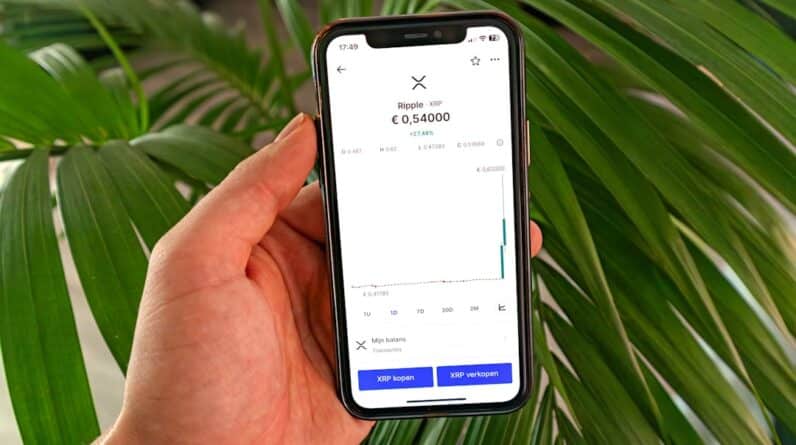
Cryptocurrency represents a revolutionary shift in the way we perceive and utilize money. Unlike traditional currencies issued by governments, cryptocurrencies operate on decentralized networks based on blockchain technology. This means that transactions are recorded on a public ledger, ensuring transparency and security.
You may find it fascinating that the first cryptocurrency, Bitcoin, was created in 2009 by an anonymous entity known as Satoshi Nakamoto. Since then, thousands of alternative cryptocurrencies have emerged, each with unique features and purposes. As you delve deeper into this digital realm, you’ll discover that cryptocurrencies can serve various functions, from acting as a medium of exchange to enabling smart contracts and decentralized applications.
Understanding the underlying technology is crucial for anyone looking to engage with cryptocurrencies. Blockchain technology not only facilitates secure transactions but also eliminates the need for intermediaries like banks. This decentralization empowers individuals by giving them more control over their finances.
As you explore this landscape, you may encounter terms like “mining,” “wallets,” and “tokens.” Each of these concepts plays a vital role in the cryptocurrency ecosystem. By familiarizing yourself with these terms and their implications, you will be better equipped to navigate the complexities of this digital currency world.
Key Takeaways
- Cryptocurrency is a digital or virtual form of currency that uses cryptography for security and operates independently of a central bank.
- A cryptocurrency exchange is a platform that allows users to buy, sell, and trade cryptocurrencies.
- When choosing a cryptocurrency exchange, consider factors such as security, fees, available cryptocurrencies, and user interface.
- Setting up an account on a cryptocurrency exchange typically involves providing personal information, verifying identity, and setting up security measures such as two-factor authentication.
- Buying and selling cryptocurrencies on an exchange involves placing orders to buy or sell specific cryptocurrencies at a certain price.
What is a Cryptocurrency Exchange?
A cryptocurrency exchange is a platform that allows you to buy, sell, or trade cryptocurrencies. Think of it as a marketplace where various digital currencies are available for exchange, similar to how stock exchanges operate for traditional assets. These exchanges can be centralized or decentralized, each offering different advantages and disadvantages.
Centralized exchanges are managed by companies that facilitate transactions between buyers and sellers, while decentralized exchanges operate without a central authority, allowing users to trade directly with one another. When you engage with a cryptocurrency exchange, you gain access to a wide array of digital assets. Popular exchanges like Binance, Coinbase, and Kraken provide user-friendly interfaces that cater to both beginners and experienced traders.
On these platforms, you can easily convert your fiat currency into cryptocurrencies or trade one digital asset for another. However, it’s essential to understand that not all exchanges are created equal. Each platform has its own set of features, supported currencies, and trading pairs, which can significantly impact your trading experience.
How to Choose a Cryptocurrency Exchange

Selecting the right cryptocurrency exchange is a critical step in your trading journey. With numerous options available, it’s essential to consider several factors before making your choice. First and foremost, assess the exchange’s reputation and security measures.
Look for platforms that have a proven track record of safeguarding user funds and maintaining high levels of security. Reading user reviews and checking for any past security breaches can provide valuable insights into an exchange’s reliability. Another important aspect to consider is the range of cryptocurrencies offered on the platform.
If you have specific digital assets in mind that you wish to trade, ensure that the exchange supports those currencies. Additionally, take note of the trading fees associated with each platform. Some exchanges charge higher fees for transactions or withdrawals, which can eat into your profits over time.
By comparing different exchanges based on these criteria, you can make an informed decision that aligns with your trading goals.
Setting Up Your Account
Once you’ve chosen a cryptocurrency exchange that meets your needs, the next step is to set up your account. This process typically involves providing personal information such as your name, email address, and sometimes even identification documents for verification purposes. This Know Your Customer (KYC) process is designed to prevent fraud and ensure compliance with regulations.
While it may seem tedious, completing this step is crucial for maintaining the integrity of the exchange and protecting your account. After successfully registering your account, you will need to secure it with strong passwords and enable two-factor authentication (2FA) if available. This additional layer of security helps protect your account from unauthorized access.
Once your account is set up and secured, you can proceed to deposit funds into your account. Most exchanges offer various deposit methods, including bank transfers and credit card payments. Familiarizing yourself with these options will help you choose the most convenient method for funding your trading activities.
Buying and Selling Cryptocurrencies
With your account set up and funded, you’re now ready to buy and sell cryptocurrencies. The process is generally straightforward: navigate to the trading section of the exchange, select the cryptocurrency you wish to purchase or sell, and enter the amount you want to trade. Depending on the exchange, you may have options for different types of orders, such as market orders or limit orders.
A market order allows you to buy or sell at the current market price, while a limit order lets you specify a price at which you’re willing to trade. As you engage in buying and selling activities, it’s essential to stay informed about market trends and price movements. Cryptocurrency markets can be highly volatile, with prices fluctuating dramatically within short periods.
Utilizing tools such as charts and technical analysis can help you make more informed trading decisions. Additionally, consider setting stop-loss orders to minimize potential losses in case the market moves against your position.
Security Measures and Best Practices
Understanding the Risks
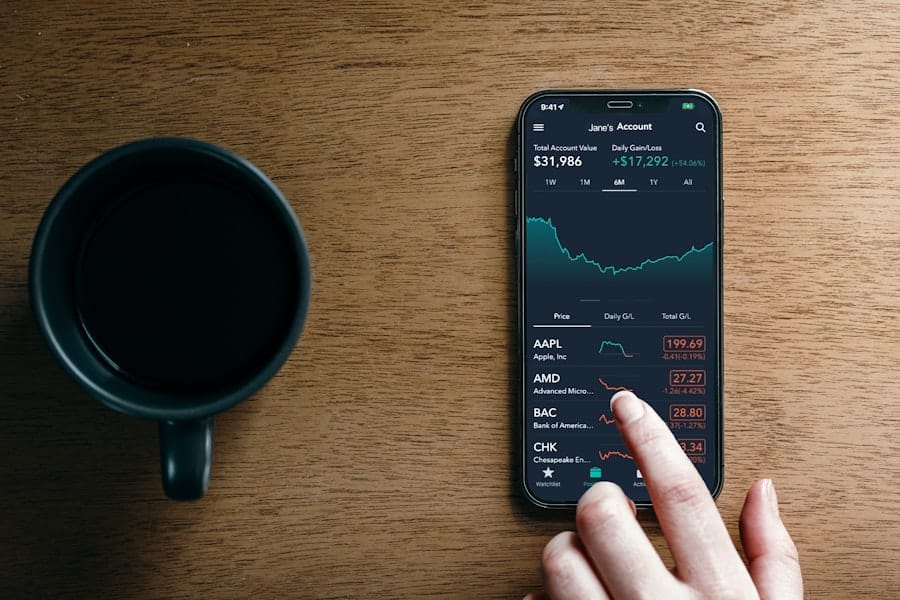
When dealing with cryptocurrencies, security should be a top priority. The decentralized nature of digital currencies means that once a transaction is made, it cannot be reversed. Therefore, taking proactive measures to protect your assets is crucial.
Securing Your Exchange Accounts
Start by using strong passwords for your exchange accounts and enabling two-factor authentication wherever possible. This added layer of security significantly reduces the risk of unauthorized access.
Long-Term Storage and Additional Precautions
In addition to securing your exchange accounts, consider using hardware wallets for long-term storage of your cryptocurrencies. Unlike online wallets that are susceptible to hacking attempts, hardware wallets store your private keys offline, providing an extra layer of protection against cyber threats. Regularly updating your software and being cautious about phishing attempts are also essential practices to safeguard your investments.
Understanding Fees and Charges
Before diving into trading activities, it’s vital to understand the fees associated with using a cryptocurrency exchange. Different platforms have varying fee structures that can impact your overall profitability. Common fees include trading fees, withdrawal fees, and deposit fees.
Trading fees are typically charged as a percentage of the transaction amount or as a flat fee per trade. When evaluating an exchange’s fee structure, consider how these costs will affect your trading strategy. For instance, if you’re planning on making frequent trades, opting for an exchange with lower trading fees could save you significant amounts over time.
Additionally, be aware of any hidden charges that may apply when withdrawing funds or converting between different cryptocurrencies.
Tips for Successful Trading on a Cryptocurrency Exchange
To enhance your trading experience and increase your chances of success in the cryptocurrency market, consider implementing several strategies. First and foremost, educate yourself continuously about market trends and developments in the crypto space. Staying informed will help you make better decisions based on current events and market sentiment.
Another valuable tip is to start small and gradually increase your investment as you gain experience and confidence in your trading abilities. This approach allows you to learn from your mistakes without risking significant amounts of capital upfront. Additionally, consider diversifying your portfolio by investing in multiple cryptocurrencies rather than putting all your funds into one asset.
Diversification can help mitigate risks associated with market volatility. Lastly, maintain a disciplined approach to trading by setting clear goals and sticking to them. Establishing stop-loss levels can help protect your investments from significant downturns while allowing you to capitalize on potential gains when the market moves in your favor.
By combining education, strategy, and discipline, you’ll be better positioned for success in the dynamic world of cryptocurrency trading. In conclusion, engaging with cryptocurrencies requires a solid understanding of various concepts and practices within this digital landscape. By familiarizing yourself with exchanges, security measures, fees, and effective trading strategies, you’ll be well-equipped to navigate this exciting yet complex market successfully.
Whether you’re looking to invest for the long term or engage in active trading, taking these steps will help you make informed decisions as you embark on your cryptocurrency journey.
FAQs
What is a cryptocurrency exchange?
A cryptocurrency exchange is a platform that allows users to buy, sell, and trade cryptocurrencies. It acts as an intermediary between buyers and sellers, providing a marketplace for digital assets.
How do I choose a cryptocurrency exchange?
When choosing a cryptocurrency exchange, consider factors such as security, fees, supported cryptocurrencies, user interface, customer support, and trading volume. It’s important to research and compare different exchanges before making a decision.
What is the process of buying cryptocurrency on an exchange?
To buy cryptocurrency on an exchange, you typically need to create an account, complete the verification process, deposit funds into your account, and then place an order to buy the desired cryptocurrency. The purchased cryptocurrency will then be credited to your exchange account.
What are the different types of cryptocurrency exchanges?
There are various types of cryptocurrency exchanges, including centralized exchanges (CEX), decentralized exchanges (DEX), and peer-to-peer (P2P) exchanges. Each type has its own unique features and benefits.
What are the risks associated with using a cryptocurrency exchange?
Risks associated with using a cryptocurrency exchange include security breaches, hacking, regulatory issues, and market volatility. It’s important to be aware of these risks and take necessary precautions to protect your assets.
Can I store my cryptocurrency on an exchange?
While some exchanges offer wallet services for storing cryptocurrencies, it’s generally recommended to use a separate cryptocurrency wallet for long-term storage. This provides more security and control over your digital assets.