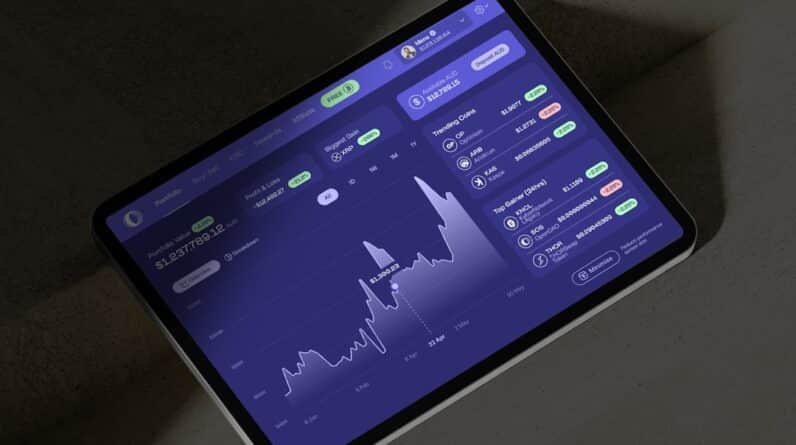
Can you really earn a living by trading cryptocurrency? This question has been on the lips of many individuals, especially in recent years as the popularity of digital currencies has surged. If you’ve been considering the idea of making crypto your main source of income, there are numerous factors to weigh. Understanding what it takes to navigate the often-turbulent waters of crypto trading can be crucial to your success.

Understanding Cryptocurrency Trading
First, let’s break down what cryptocurrency trading entails. Unlike traditional stocks, cryptocurrencies are highly volatile, allowing for rapid price fluctuations. This volatility can present significant opportunities for profits but also substantial risks.
What is Cryptocurrency?
Cryptocurrency is a form of digital or virtual currency that uses cryptography for security. Unlike traditional currencies issued by governments (known as fiat), cryptocurrencies operate on technology called blockchain.
- Blockchain: A decentralized ledger that records all transactions across a network of computers.
- Decentralization: Cryptocurrencies are not controlled by any central authority, which can lead to greater freedom and less interference from the government.
How Cryptocurrency Trading Works
Trading involves buying low and selling high. When it comes to cryptocurrency, this can occur in many different ways, including:
- Day Trading: Involves holding assets for a short time—usually just one day—to capitalize on small price movements.
- Swing Trading: This strategy includes holding assets for several days or weeks to capture more substantial price swings.
- HODLing: A long-term investment strategy where you buy and hold onto cryptocurrencies anticipating their value will increase over several years.
Each of these methods has its own unique risks and rewards.
The Pros and Cons of Trading Crypto
Just like any investment strategy, trading cryptocurrency comes with its advantages and disadvantages. Understanding both sides can help you make an informed decision about whether you should pursue this route.
Advantages of Trading Cryptocurrency
- High Volatility: This can lead to substantial profits.
- 24/7 Market: Unlike stock markets, cryptocurrencies can be traded around the clock, offering more opportunities.
- Accessibility: You can start trading with relatively low capital, and the entry barrier is lower compared to traditional investment avenues.
Disadvantages of Trading Cryptocurrency
- High Risk: The same volatility that can yield profits can also lead to significant losses.
- Market Manipulation: Being largely unregulated, the crypto market is susceptible to fraudulent practices and pump-and-dump schemes.
- Complexity and Saturation: With thousands of different cryptocurrencies available, it can be overwhelming to decide where to invest.
Skill Set Required for Successful Trading
Trading cryptocurrency is not for everyone. It requires a specific skill set that blends analytical abilities with strategic thinking. Here’s what you need to succeed.
Technical Analysis
Understanding charts and indicators is essential for predicting market movements. Familiarize yourself with:
- Candlestick Charts: These illustrate price movements over specific time frames.
- Moving Averages: These can help smooth out price data to identify trends.
- Relative Strength Index (RSI): Used to measure the speed and change of price movements to identify overbought or oversold conditions.
Risk Management
Developing a solid risk management strategy is crucial. This includes:
- Setting Stop-Loss Orders: Automatically sell an asset when it reaches a certain price to minimize losses.
- Diversifying Investments: Not putting all your eggs in one basket can help cushion against losses.
- Position Sizing: Determine the size of your investments based on your total capital and risk tolerance.
The Time Involved in Trading
Trading cryptocurrency isn’t just about making quick trades. It involves considerable time for research and strategy development.
Research is Key
- Market News: Stay updated on industry news, regulatory changes, and technological advancements. Websites and forums can be valuable resources.
- Community Engagement: Monitor social media platforms and trading forums where experienced traders share insights and strategies.
Developing a Trading Plan
A solid trading plan will keep you grounded. In your plan, outline your trading goals, the strategies you’ll use, and how much time you will commit to trading daily or weekly.

Profitability and Income Potential
So, can trading cryptocurrency actually provide you with a full-time income? The answer can vary widely depending on your personal abilities, approach, and market conditions.
Factors Influencing Profitability
- Initial Investment: The more you invest, the greater your potential returns (and losses).
- Market Conditions: Bull markets can lead to overall profitability, while bear markets can wipe out gains in a hurry.
- Trading Frequency: How often you trade can significantly impact your income.
Potential Earnings
While some traders boast impressive returns, it’s important to approach expectations realistically. To give you an idea, here’s a simple breakdown of potential earnings based on trading styles:
| Trading Style | Average Monthly Earnings | Required Time Commitment |
|---|---|---|
| Day Trading | $1,000 – $5,000 | 6-8 hours daily |
| Swing Trading | $500 – $3,000 | 1-3 hours daily |
| HODLing | Varies | Minimal active involvement |
Note: Earnings can vary widely, and past performance is not indicative of future results.
Tax Implications
Another aspect to consider when trading cryptocurrency is taxes. Depending on where you live, your cryptocurrency trading profits could be subject to capital gains taxes.
Understanding Capital Gains Tax
- Short-Term vs. Long-Term: In many countries, assets held for less than a year incur higher taxes than those held for a year or more.
- Reporting Requirements: Keep meticulous records of your trades; this can save you from headaches during tax season.

Alternatives to Full-Time Trading
If the whole idea of trading cryptocurrency full-time feels daunting, there are alternative methods to profit from the crypto market.
Investing
Long-term investing in cryptocurrencies like Bitcoin and Ethereum can ease the pressure around day-to-day trading. This requires significantly less active involvement and less stress over short-term price changes.
Passive Income
Consider exploring options that allow you to earn passive income through crypto:
- Staking: Some cryptocurrencies allow you to earn rewards by holding and “staking” them in a wallet for a specified period.
- Yield Farming: This involves lending your cryptocurrency to others in return for interest.
Balancing Risk and Reward
The crux of trading cryptocurrency hinges on your ability to balance risk and reward. A good trader knows when to take risks to maximize earnings and when to play it safe.
Emotional Resilience
Your emotional state can heavily influence your trading decisions. It’s crucial to stay rational and avoid decisions based on fear or greed.
- Maintain Discipline: Stick to your trading plan and resist the urge to chase losses or capitalize on every market movement.
- Take Breaks: If trading feels overwhelming, it’s vital to step back and recharge.

Building a Network
Networking with other traders can be invaluable. It allows you to share insights, strategies, and experiences that can propel your trading to the next level.
Finding Your Community
Join online forums, social media groups, or local meetups that align with your trading interests. Being surrounded by like-minded individuals creates an environment for learning and growth.
Consistency is Key
Ultimately, to earn a living from trading cryptocurrency, consistency is critical. Like any job, it requires dedication, hard work, and time.
Set Realistic Goals
Establish short and long-term goals in your trading journey. Whether it’s a target monthly income or a milestone in skills acquisition, keeping your eyes on the prize can keep you motivated.

Closing Thoughts
While it might be possible to earn a living trading cryptocurrency, it’s not a guaranteed pathway to financial independence. Weigh the risks and rewards carefully, and above all, invest time in educating yourself about this complex, yet fascinating market. Your journey into the world of crypto can be thrilling and full of potential, but it’s also a road filled with challenges.
So, as you ponder your next steps, consider whether the exhilarating highs and devastating lows of trading represent the kind of life you’d like to lead. Whatever you decide, make sure it’s the right fit for you and your financial aspirations.