In the rapidly evolving world of digital finance, the importance of secure storage for cryptocurrency cannot be overstated. As you delve into the realm of cryptocurrencies, you may find yourself drawn to the potential for significant financial gains. However, with this opportunity comes the responsibility of safeguarding your assets.
Unlike traditional currencies, cryptocurrencies are decentralized and exist solely in digital form, making them particularly vulnerable to theft and hacking. Therefore, understanding how to protect your investments is crucial for anyone looking to navigate this landscape successfully. When you invest in cryptocurrencies, you are essentially holding digital keys that grant access to your funds.
If these keys are lost or stolen, your assets can be irretrievably lost. This reality underscores the necessity of secure storage solutions. By prioritizing the safety of your cryptocurrency, you not only protect your financial interests but also gain peace of mind.
The digital nature of cryptocurrencies means that they can be susceptible to various threats, including cyberattacks and fraud. Thus, taking proactive measures to secure your holdings is not just advisable; it is essential for anyone serious about their cryptocurrency journey.
Key Takeaways
- Secure storage for cryptocurrency is crucial to protect your digital assets from theft and hacking.
- Choosing the right type of wallet, such as hardware, software, or paper, depends on your needs and level of security.
- Creating a strong password and keeping it safe is essential for preventing unauthorized access to your cryptocurrency wallet.
- Utilizing two-factor authentication adds an extra layer of security by requiring a second form of verification to access your wallet.
- Backing up your wallet and storing it in a secure location, such as a safe deposit box, ensures that you can still access your funds in case of loss or theft.
Choosing the right type of wallet for your cryptocurrency
Selecting the appropriate wallet for your cryptocurrency is a fundamental step in ensuring its security. There are several types of wallets available, each with its own advantages and disadvantages. You may choose between hardware wallets, software wallets, and paper wallets, depending on your needs and level of expertise.
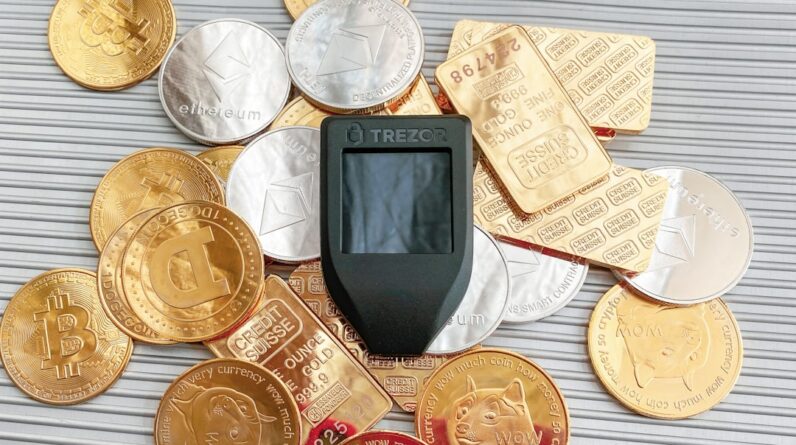
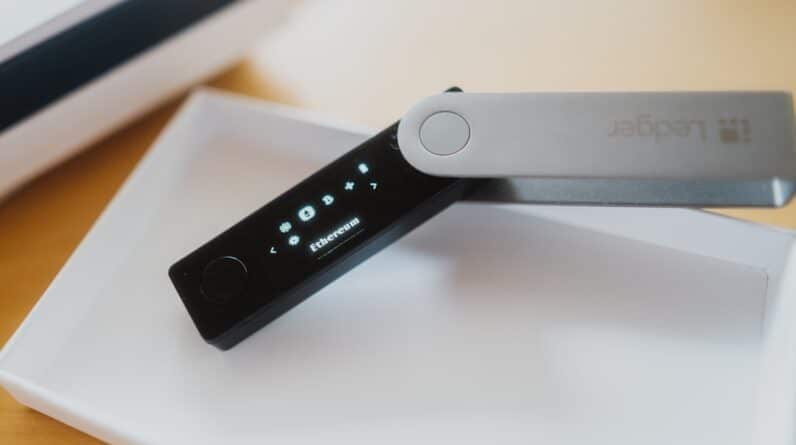
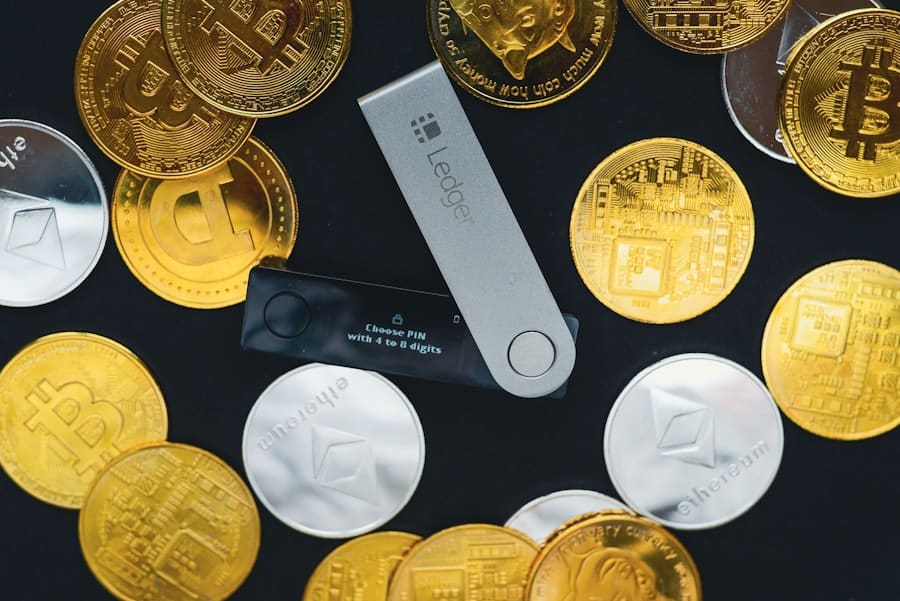
Hardware wallets are often considered the most secure option, as they store your private keys offline, making them less susceptible to online threats. If you prioritize security above all else, investing in a reputable hardware wallet could be a wise decision. On the other hand, software wallets offer convenience and ease of use, making them suitable for everyday transactions.
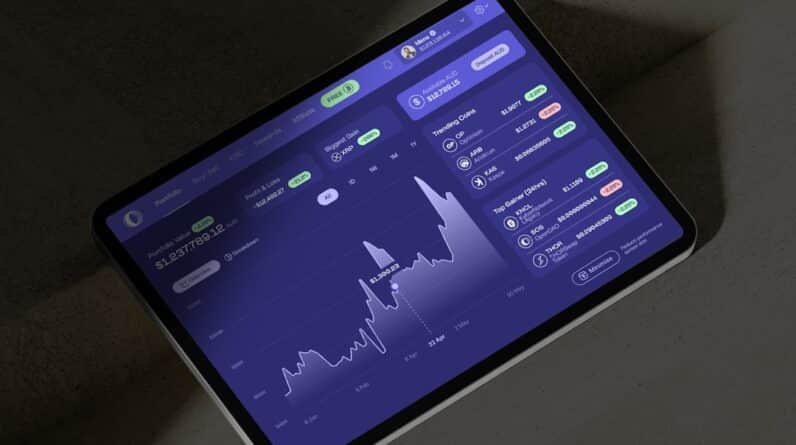
These wallets can be further categorized into desktop, mobile, and web wallets. While they provide quick access to your funds, they also come with increased risks due to their online nature. If you opt for a software wallet, ensure that you choose one with a strong reputation and robust security features.
Ultimately, the right wallet for you will depend on how frequently you plan to access your cryptocurrency and how much security you are willing to sacrifice for convenience.
Best practices for creating a strong password and keeping it safe
Creating a strong password is one of the simplest yet most effective ways to protect your cryptocurrency wallet. When crafting your password, aim for a combination of upper and lower case letters, numbers, and special characters. Avoid using easily guessable information such as birthdays or common words.
Instead, consider using a passphrase—a series of random words strung together—that is both memorable and difficult for others to decipher. This approach not only enhances security but also makes it easier for you to remember your password without resorting to writing it down. Once you have established a strong password, it is equally important to keep it safe.
Avoid sharing your password with anyone, even trusted friends or family members. Additionally, consider using a password manager to securely store your passwords and generate complex ones when needed. This tool can help you maintain unique passwords for different accounts without the risk of forgetting them.
By implementing these best practices, you significantly reduce the likelihood of unauthorized access to your cryptocurrency wallet.
Utilizing two-factor authentication for added security
In an age where cyber threats are increasingly sophisticated, utilizing two-factor authentication (2FA) can provide an additional layer of security for your cryptocurrency holdings. 2FA requires not only your password but also a second form of verification before granting access to your wallet or exchange account. This could be a code sent to your mobile device or an authentication app that generates time-sensitive codes.
By enabling 2FA, you make it considerably more difficult for hackers to gain access to your funds, even if they manage to obtain your password. Implementing 2FA is a straightforward process that can significantly enhance your security posture. Most reputable exchanges and wallet providers offer this feature as part of their security settings.
When setting up 2FA, ensure that you choose a method that you can easily access but is also secure from potential threats. For instance, while SMS-based 2FA is convenient, it may be vulnerable to SIM swapping attacks. Instead, consider using an authenticator app that generates codes locally on your device.
By taking this extra step, you fortify your defenses against unauthorized access.
Backing up your wallet and storing it in a secure location
Backing up your cryptocurrency wallet is an essential practice that can save you from potential loss due to hardware failure or accidental deletion. When you create a backup, you essentially create a copy of your wallet’s private keys and transaction history. This backup can be stored on an external hard drive or USB stick, ensuring that you have access to your funds even if something happens to your primary device.
It’s crucial to perform this backup regularly and after any significant changes to your wallet. Once you have created a backup, storing it in a secure location is paramount. Avoid keeping backups on devices connected to the internet, as this increases the risk of hacking or malware attacks.
Instead, consider using a safe deposit box or another secure physical location where only you have access. Additionally, make sure that anyone who might need access to this backup in case of an emergency knows how to retrieve it without compromising its security. By taking these precautions, you ensure that your cryptocurrency remains accessible while minimizing the risk of loss.
Keeping your cryptocurrency safe from physical threats
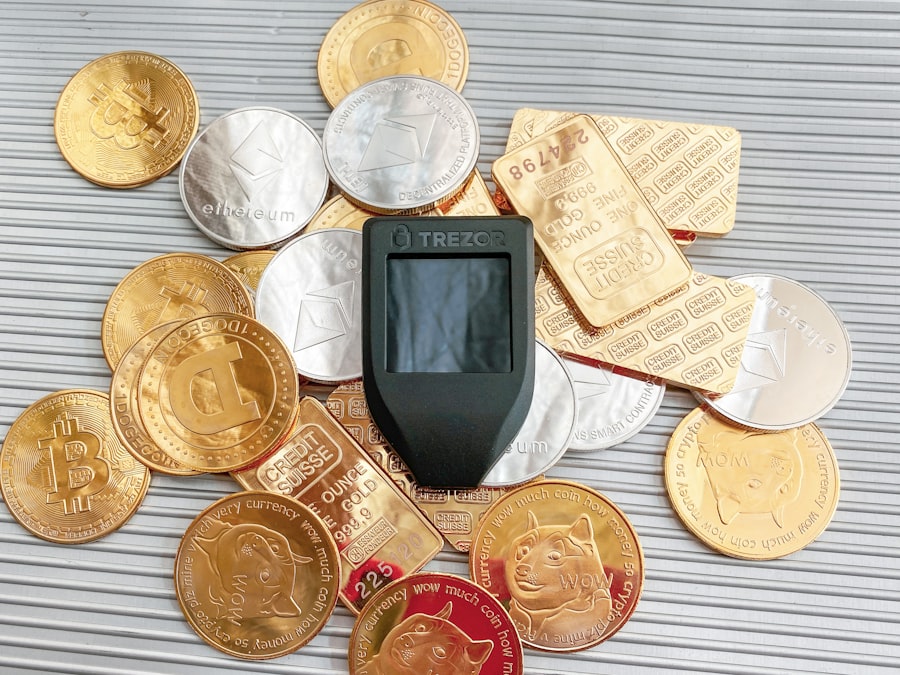
While much of the focus on cryptocurrency security revolves around digital threats, physical threats should not be overlooked. Your cryptocurrency holdings can be at risk from theft or loss due to physical circumstances such as burglary or natural disasters. To mitigate these risks, consider implementing measures that protect both your devices and any physical backups you may have created.
One effective strategy is to keep your hardware wallet and any physical backups in a secure location within your home or office. A safe or lockbox can provide an added layer of protection against theft. Additionally, be mindful of where you access your cryptocurrency accounts; public places with unsecured Wi-Fi networks can expose you to various risks.
If you need to conduct transactions while on the go, consider using a mobile device with robust security features and avoid accessing sensitive accounts in crowded or public spaces.
Being cautious of phishing scams and other online threats
As you navigate the world of cryptocurrency, being vigilant against phishing scams and other online threats is crucial for protecting your assets. Phishing attacks often come in the form of emails or messages that appear legitimate but are designed to trick you into revealing sensitive information such as passwords or private keys. Always scrutinize any communication that requests personal information or directs you to a website where you need to log in.
To safeguard yourself against these threats, familiarize yourself with common phishing tactics and remain skeptical of unsolicited messages. Always verify the sender’s email address and look for signs of suspicious activity before clicking on any links or downloading attachments. Additionally, consider bookmarking important websites related to your cryptocurrency activities so that you can access them directly without relying on links from emails or messages.
By staying informed and cautious, you can significantly reduce the risk of falling victim to phishing scams.
Regularly updating and monitoring your security measures for cryptocurrency storage
The landscape of cybersecurity is constantly evolving, which means that regular updates and monitoring of your security measures are essential for keeping your cryptocurrency safe. As new vulnerabilities are discovered and cyber threats become more sophisticated, staying informed about best practices and emerging technologies can help you adapt accordingly. Make it a habit to review your security settings periodically and update them as necessary.
This includes changing passwords regularly, ensuring that two-factor authentication is enabled on all accounts, and keeping software up-to-date with the latest security patches. Additionally, consider subscribing to news sources or forums dedicated to cryptocurrency security; staying informed about recent breaches or vulnerabilities can help you take proactive measures before any potential threats impact your holdings. By committing to ongoing vigilance and adaptation in your security practices, you can better protect your cryptocurrency investments against evolving risks.
FAQs
What is cryptocurrency storage?
Cryptocurrency storage refers to the methods and tools used to securely store and protect digital assets such as Bitcoin, Ethereum, and other cryptocurrencies.
What are the different types of cryptocurrency storage?
There are several types of cryptocurrency storage, including hardware wallets, software wallets, paper wallets, and custodial services offered by exchanges.
What is a hardware wallet?
A hardware wallet is a physical device that stores the user’s private keys offline, providing a high level of security against hacking and malware.
What is a software wallet?
A software wallet is a digital application or program that allows users to store and manage their cryptocurrency on their computer or mobile device.
What is a paper wallet?
A paper wallet is a physical document that contains a public address for receiving cryptocurrency and a private key for accessing and spending the funds.
How can I store my cryptocurrency securely?
To store cryptocurrency securely, it is recommended to use a combination of hardware wallets, software wallets, and paper wallets, and to follow best practices for securing private keys and passwords.
What are the best practices for securing cryptocurrency storage?
Best practices for securing cryptocurrency storage include using strong, unique passwords, enabling two-factor authentication, keeping private keys offline, and regularly updating software and firmware for wallets and devices.
What are the risks of storing cryptocurrency on exchanges?
Storing cryptocurrency on exchanges carries the risk of hacking, theft, and loss of funds due to the exchange’s security vulnerabilities or operational issues. It is generally recommended to transfer cryptocurrency to secure storage solutions such as hardware wallets.