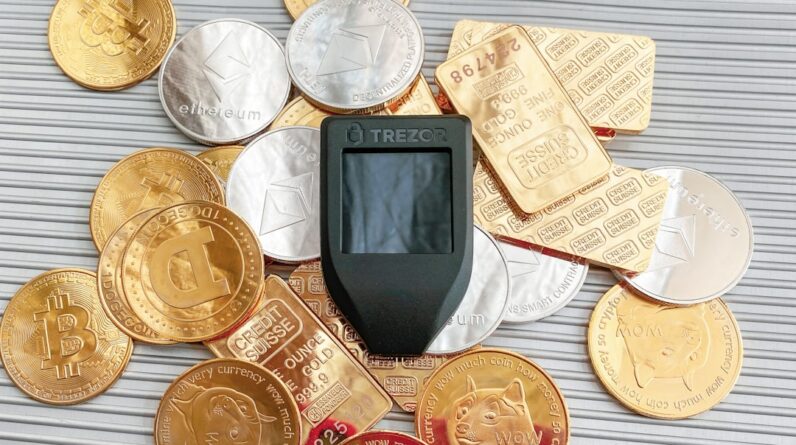
In the ever-evolving landscape of cryptocurrency, altcoins have emerged as a significant force, capturing the attention of investors, developers, and enthusiasts alike. Altcoins, or alternative coins, refer to any cryptocurrency other than Bitcoin. While Bitcoin was the first cryptocurrency and remains the most recognized, altcoins offer a diverse array of features, functionalities, and use cases that appeal to various segments of the market.
As you delve into the world of altcoins, you will discover that they can serve multiple purposes, from facilitating transactions to powering decentralized applications and even enabling smart contracts. The rise of altcoins has transformed the cryptocurrency ecosystem, providing alternatives that challenge Bitcoin’s dominance. With thousands of altcoins available today, each with its unique attributes and communities, you may find yourself intrigued by the possibilities they present.
Whether you are a seasoned investor or a newcomer to the crypto space, understanding altcoins is essential for navigating this dynamic market. In this article, we will explore the history of altcoins, their differences from Bitcoin, popular options in the market, the technology that underpins them, investment strategies, associated risks, and their potential future.
Key Takeaways
- Altcoins are alternative cryptocurrencies to Bitcoin, with their own unique features and technologies.
- Altcoins have been around since the early days of Bitcoin, with the first altcoin, Namecoin, being introduced in 2011.
- Altcoins differ from Bitcoin in terms of mining algorithms, transaction speed, and privacy features, among other factors.
- Popular altcoins in the market include Ethereum, Ripple, Litecoin, and Cardano, each with its own use cases and value propositions.
- The technology behind altcoins includes blockchain, smart contracts, and consensus mechanisms like proof of stake and proof of work.
The History of Altcoins
The journey of altcoins began shortly after Bitcoin’s inception in 2009. As Bitcoin gained traction and demonstrated the viability of decentralized digital currency, developers began to explore ways to improve upon its limitations or create entirely new functionalities. The first notable altcoin was Litecoin, launched in 2011 by Charlie Lee.
Litecoin aimed to provide faster transaction times and a different hashing algorithm than Bitcoin, making it an attractive alternative for users seeking quicker confirmations. Following Litecoin’s success, a wave of altcoins emerged, each attempting to carve out its niche in the cryptocurrency market. Some focused on privacy features, like Monero and Zcash, while others aimed to enhance scalability or introduce innovative consensus mechanisms.
The initial coin offering (ICO) boom in 2017 further accelerated the proliferation of altcoins, as countless projects sought funding through token sales. This period marked a significant turning point in the crypto landscape, as it showcased the potential for diverse applications beyond simple peer-to-peer transactions.
How Altcoins Differ from Bitcoin
While Bitcoin remains the gold standard of cryptocurrencies, altcoins differ from it in several key aspects. One of the most notable differences is their underlying technology and purpose. Bitcoin was designed primarily as a digital currency to facilitate peer-to-peer transactions without intermediaries.
In contrast, many altcoins have been developed with specific use cases in mind. For instance, Ethereum introduced smart contracts, enabling developers to create decentralized applications (dApps) on its blockchain. Another significant distinction lies in the consensus mechanisms employed by various altcoins.
While Bitcoin relies on proof-of-work (PoW) to validate transactions and secure its network, many altcoins have adopted alternative methods such as proof-of-stake (PoS) or delegated proof-of-stake (DPoS). These mechanisms can offer advantages in terms of energy efficiency and transaction speed. As you explore different altcoins, you will notice that their unique features often cater to specific needs within the broader cryptocurrency ecosystem.
Popular Altcoins in the Market
As you navigate the world of altcoins, you will encounter several popular options that have gained substantial traction among investors and users. Ethereum is perhaps the most well-known altcoin, thanks to its robust platform for building decentralized applications and executing smart contracts. Its native currency, Ether (ETH), is widely used for transactions within the Ethereum network and has become a staple in many investment portfolios.
Other notable altcoins include Binance Coin (BNB), which powers the Binance exchange and offers various utilities within its ecosystem; Cardano (ADA), known for its focus on sustainability and scalability; and Solana (SOL), which has gained attention for its high throughput and low transaction costs. Each of these altcoins has cultivated a dedicated community and continues to innovate within its respective domain. As you consider investing in altcoins, researching these popular options can provide valuable insights into their potential for growth and adoption.
The Technology Behind Altcoins
The technology that underpins altcoins is as diverse as the coins themselves. While many altcoins share similarities with Bitcoin’s blockchain architecture, others have introduced innovative features that set them apart. For instance, Ethereum’s blockchain allows for programmable transactions through smart contracts, enabling developers to create complex applications that can operate autonomously without human intervention.
Additionally, some altcoins utilize unique consensus algorithms designed to enhance security and efficiency. For example, Cardano employs a proof-of-stake mechanism called Ouroboros, which aims to reduce energy consumption while maintaining network security. Other projects may leverage layer-two solutions or sidechains to improve scalability and transaction speeds without compromising decentralization.
As you explore these technologies, you will gain a deeper appreciation for how they contribute to the functionality and potential of various altcoins.
Investing in Altcoins
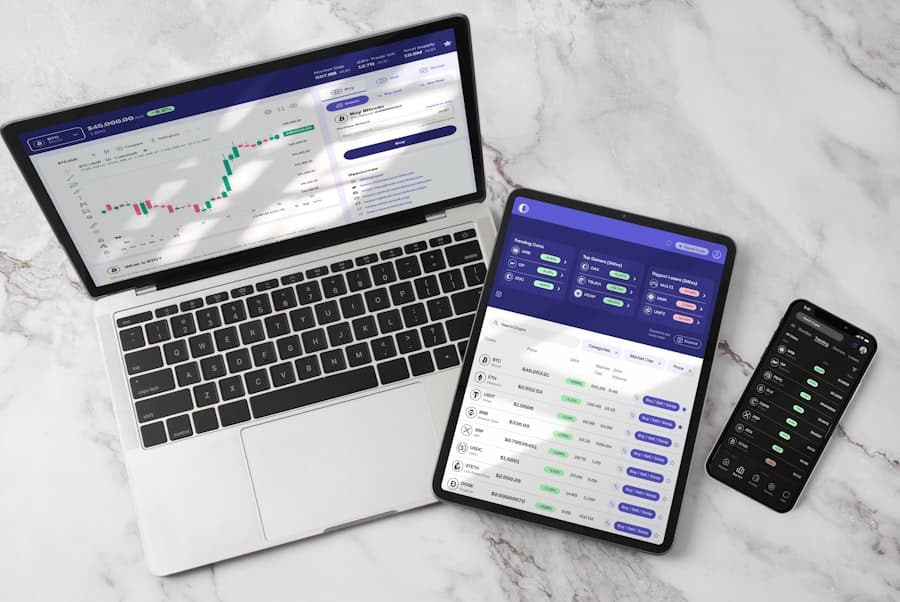
Investing in altcoins can be an exciting yet challenging endeavor. As you consider entering this market, it’s essential to conduct thorough research on each coin’s fundamentals, including its use case, development team, community support, and market trends. Unlike Bitcoin, which has established itself as a store of value and a widely accepted medium of exchange, many altcoins are still in their early stages and may be subject to higher volatility.
Diversification is a key strategy when investing in altcoins. By spreading your investments across multiple coins with varying risk profiles and use cases, you can mitigate potential losses while maximizing your chances for gains. Additionally, staying informed about market developments and regulatory changes can help you make more informed decisions about your investments.
As you navigate this landscape, remember that patience and diligence are crucial for successful investing in altcoins.
Risks and Challenges of Altcoin Investments
While the potential rewards of investing in altcoins can be enticing, it’s important to recognize the inherent risks involved. The cryptocurrency market is notoriously volatile, with prices capable of experiencing dramatic fluctuations within short periods. This volatility can lead to significant gains but also substantial losses if you’re not prepared for sudden market shifts.
Moreover, the sheer number of altcoins available can make it challenging to identify promising projects from those that may ultimately fail. Many altcoins lack robust fundamentals or have unclear roadmaps, which can lead to poor investment outcomes. Additionally, regulatory scrutiny is increasing worldwide, which could impact certain projects or even entire sectors within the altcoin market.
As you consider investing in altcoins, it’s crucial to weigh these risks against your investment goals and risk tolerance.
The Future of Altcoins
Looking ahead, the future of altcoins appears promising yet uncertain. As blockchain technology continues to evolve and gain mainstream acceptance, many altcoins are well-positioned to capitalize on emerging trends such as decentralized finance (DeFi), non-fungible tokens (NFTs), and Web3 applications. These developments could drive increased adoption and utility for various altcoins as they cater to new demands within the digital economy.
However, challenges remain on the horizon. Regulatory frameworks are still being established globally, which could impact how altcoins operate and are perceived by investors. Additionally, competition among projects is fierce; only those that can demonstrate real-world utility and maintain strong communities are likely to thrive in the long run.
As you contemplate your involvement in this space, staying informed about technological advancements and market dynamics will be essential for navigating the future landscape of altcoins successfully. In conclusion, understanding altcoins is vital for anyone looking to engage with the cryptocurrency market beyond Bitcoin. By exploring their history, differences from Bitcoin, popular options available today, underlying technologies, investment strategies, associated risks, and future prospects, you can equip yourself with the knowledge needed to make informed decisions in this exciting yet complex arena.
Whether you’re seeking new investment opportunities or simply curious about alternative cryptocurrencies, delving into the world of altcoins offers a wealth of possibilities waiting to be explored.
FAQs
What are altcoins?
Altcoins are alternative cryptocurrencies to Bitcoin. The term “altcoin” is a combination of “alternative” and “coin” and refers to any cryptocurrency other than Bitcoin.
How many altcoins are there?
There are thousands of altcoins in existence, with new ones being created regularly. Some of the most well-known altcoins include Ethereum, Ripple, Litecoin, and Dash.
What is the purpose of altcoins?
Altcoins serve a variety of purposes, including offering different features and functionalities compared to Bitcoin, providing alternatives for specific use cases, and experimenting with new technologies and innovations in the cryptocurrency space.
How are altcoins different from Bitcoin?
Altcoins differ from Bitcoin in various ways, including their underlying technology, consensus mechanisms, use cases, and development teams. Some altcoins also aim to address perceived limitations or shortcomings of Bitcoin.
Are altcoins a good investment?
Investing in altcoins carries inherent risks, as the cryptocurrency market is highly volatile and speculative. It’s important for investors to conduct thorough research and consider factors such as the technology, team, use case, and market demand before investing in any altcoin.