In recent years, cryptocurrency has emerged as a revolutionary form of payment, reshaping how transactions are conducted across various sectors, including art. As you delve into the world of crypto, it’s essential to grasp its fundamental nature. Cryptocurrencies, such as Bitcoin and Ethereum, operate on decentralized networks using blockchain technology.
This means that transactions are recorded on a public ledger, ensuring transparency and security. Unlike traditional currencies, cryptocurrencies are not controlled by any central authority, which can provide a sense of autonomy and freedom in financial dealings. When you consider using crypto as a payment method, it’s crucial to understand its volatility.
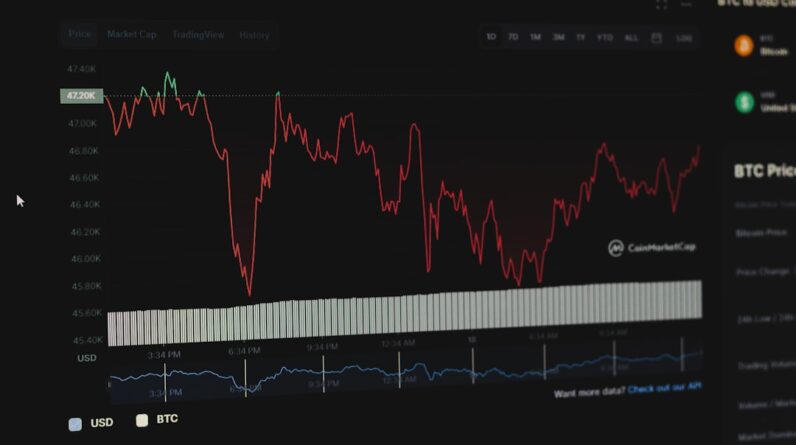
The value of cryptocurrencies can fluctuate dramatically within short periods, which can impact your purchasing power. However, this volatility also presents opportunities for savvy investors and art buyers who can navigate the market effectively. By embracing crypto, you are not only participating in a modern financial system but also aligning yourself with a growing community that values innovation and digital assets.
Key Takeaways
- Crypto is a digital form of payment that offers decentralization, security, and transparency.
- Using crypto to buy art provides benefits such as lower transaction fees, faster transactions, and access to a global market.
- Risks and challenges of using crypto for art purchases include price volatility, security concerns, and potential lack of buyer protection.
- Artwork available for purchase with crypto can be found on online platforms, art marketplaces, and through direct transactions with artists.
- Legal and regulatory considerations when using crypto for art transactions include tax implications, money laundering regulations, and the need for proper documentation.
Benefits of Using Crypto to Buy Art
One of the most compelling advantages of using cryptocurrency to purchase art is the potential for lower transaction fees. Traditional payment methods often involve intermediaries, such as banks or credit card companies, which can charge significant fees for processing transactions. In contrast, crypto transactions typically have lower fees, allowing you to allocate more of your budget toward the artwork itself rather than administrative costs.
This can be particularly beneficial when purchasing high-value pieces or when buying from international artists. Additionally, using crypto can enhance your privacy and security during transactions. When you buy art with traditional payment methods, your personal information is often shared with multiple parties, increasing the risk of data breaches or fraud.
With cryptocurrencies, you can maintain a higher level of anonymity since transactions do not require personal identification. This aspect can be especially appealing if you are a collector who values discretion in your acquisitions. Furthermore, the use of smart contracts in some crypto transactions can automate and secure the buying process, ensuring that both parties fulfill their obligations without the need for intermediaries.
Risks and Challenges of Using Crypto for Art Purchases

While there are numerous benefits to using cryptocurrency for art purchases, it’s essential to be aware of the risks and challenges involved. One significant concern is the volatility of cryptocurrencies. The value of your digital assets can change rapidly, which may affect your purchasing power at the time of the transaction.
If you are not careful, you could end up paying significantly more or less for an artwork than you initially intended. This unpredictability requires you to stay informed about market trends and be prepared for fluctuations. Another challenge is the lack of widespread acceptance among artists and galleries.
Although the number of art sellers accepting cryptocurrency is growing, it is still not universal. You may find that some artists or galleries are hesitant to embrace this payment method due to concerns about volatility or regulatory issues. This limitation can restrict your options when searching for artwork available for purchase with crypto.
Additionally, navigating the technical aspects of cryptocurrency transactions can be daunting if you are not familiar with digital wallets and blockchain technology.
How to Find Artwork Available for Purchase with Crypto
Finding artwork available for purchase with cryptocurrency requires some research and exploration. One effective way to start is by visiting online marketplaces that specialize in crypto-friendly art sales. Platforms like OpenSea and Rarible have gained popularity for their focus on digital art and NFTs (non-fungible tokens), allowing artists to sell their work directly to collectors using cryptocurrencies.
These platforms often feature a wide range of styles and mediums, making it easier for you to discover pieces that resonate with your taste. In addition to online marketplaces, consider connecting with galleries and artists who explicitly state their acceptance of cryptocurrency on their websites or social media profiles. Many contemporary artists are embracing digital currencies as a way to reach a broader audience and engage with tech-savvy collectors.
Attending art fairs or exhibitions that focus on digital art can also provide opportunities to meet artists who accept crypto payments. Networking within the art community can lead you to hidden gems and unique pieces that align with your interests.
Legal and Regulatory Considerations when Using Crypto for Art Transactions
As you navigate the world of crypto art purchases, it’s vital to understand the legal and regulatory landscape surrounding these transactions. Cryptocurrency regulations vary significantly from one country to another, and staying informed about local laws is crucial to ensure compliance. In some jurisdictions, cryptocurrencies are treated as assets subject to capital gains tax, while others may have specific regulations governing their use in commercial transactions.
Familiarizing yourself with these laws will help you avoid potential legal pitfalls. Moreover, consider the implications of provenance and authenticity when purchasing art with cryptocurrency. The decentralized nature of blockchain technology can enhance transparency in tracking an artwork’s history, but it’s essential to verify the legitimacy of both the artwork and the seller.
Engaging with reputable galleries or artists who provide clear documentation can help mitigate risks associated with fraud or misrepresentation. By being diligent in your research and understanding the legal framework, you can make informed decisions when buying art with crypto.
Tips for Safely Buying Art with Crypto

When venturing into the realm of art purchases using cryptocurrency, safety should be a top priority. Start by ensuring that you use a secure digital wallet to store your cryptocurrencies. Choose wallets that offer robust security features, such as two-factor authentication and encryption, to protect your assets from potential hacks or thefts.
Additionally, keep your private keys confidential; sharing them could compromise your wallet’s security. Before finalizing any transaction, conduct thorough research on the artist or gallery selling the artwork. Look for reviews or testimonials from previous buyers to gauge their reputation within the art community.
If possible, request additional information about the artwork’s provenance and authenticity to ensure that you are making a sound investment. Finally, consider using escrow services for high-value transactions; these services act as intermediaries that hold funds until both parties fulfill their obligations, providing an added layer of security.
Examples of Successful Art Purchases with Crypto
The integration of cryptocurrency into the art market has already yielded several notable success stories that highlight its potential as a viable payment method. One prominent example is the sale of a digital artwork by artist Beeple, which sold for an astonishing $69 million at a Christie’s auction in March 2021. The buyer used Ethereum to complete the transaction, showcasing how crypto can facilitate high-value art purchases in a traditional auction setting.
Another example involves various contemporary artists who have embraced NFTs as a means of selling their work directly to collectors using cryptocurrencies. Artists like Pak and Grimes have successfully sold their digital creations for substantial sums through NFT platforms, demonstrating that crypto can empower artists by providing them with new revenue streams while connecting them directly with their audience. These examples illustrate how cryptocurrency is not just a passing trend but a transformative force in the art world.
The Future of Crypto in the Art Market
As you look ahead, it’s clear that cryptocurrency will continue to play an increasingly significant role in the art market. The growing acceptance of digital currencies among artists and galleries suggests that more opportunities will arise for collectors like you to purchase artwork using crypto. As technology evolves and becomes more user-friendly, it’s likely that barriers to entry will diminish, making it easier for both buyers and sellers to engage in crypto transactions.
Moreover, the rise of NFTs has opened new avenues for artists to monetize their work while providing collectors with unique ownership experiences. As more artists explore this medium, you may find an expanding array of options when searching for artwork available for purchase with cryptocurrency. The future holds exciting possibilities as the intersection of art and technology continues to evolve, paving the way for innovative approaches to buying and selling art in a digital age.
In conclusion, embracing cryptocurrency as a form of payment in the art market offers numerous benefits while also presenting certain risks and challenges. By staying informed about market trends, legal considerations, and safety measures, you can navigate this dynamic landscape effectively. As the art world continues to adapt to technological advancements, your engagement with crypto could lead to unique opportunities for discovering and acquiring exceptional artworks that resonate with your personal aesthetic.
FAQs
What is cryptocurrency?
Cryptocurrency is a digital or virtual form of currency that uses cryptography for security and operates independently of a central bank.
Can I use cryptocurrency to buy art?
Yes, many art galleries and individual artists accept cryptocurrency as a form of payment for their artwork.
Which cryptocurrencies are commonly accepted for art purchases?
Bitcoin and Ethereum are the most commonly accepted cryptocurrencies for art purchases, but some sellers may also accept other popular cryptocurrencies such as Litecoin or Ripple.
Are there any advantages to using cryptocurrency to buy art?
Using cryptocurrency to buy art can offer advantages such as lower transaction fees, faster international transactions, and increased privacy and security.
Are there any risks associated with using cryptocurrency to buy art?
There are risks associated with using cryptocurrency to buy art, including price volatility, potential for fraud, and lack of consumer protections compared to traditional payment methods.
How can I ensure the legitimacy of an art purchase using cryptocurrency?
To ensure the legitimacy of an art purchase using cryptocurrency, it is important to research the seller, verify the authenticity of the artwork, and use secure and reputable cryptocurrency wallets and exchanges for the transaction.