When you first delve into the world of cryptocurrencies, one of the most essential concepts you will encounter is that of a crypto wallet. At its core, a crypto wallet is a digital tool that allows you to store, send, and receive cryptocurrencies like Bitcoin, Ethereum, and many others. Unlike traditional wallets that hold physical cash, a crypto wallet does not store your digital assets in a tangible form.
Instead, it holds the keys that grant you access to your cryptocurrency on the blockchain. This means that understanding how these wallets function is crucial for anyone looking to engage in the crypto market. You might be wondering how a wallet can be both secure and accessible.
The answer lies in the technology behind it. Crypto wallets utilize cryptographic techniques to ensure that your assets are safe from unauthorized access while still being easy for you to use. When you create a wallet, you generate a pair of keys: a public key, which acts like your bank account number and can be shared with others to receive funds, and a private key, which is akin to your password and must be kept secret.
Losing your private key means losing access to your funds, making it imperative to understand the importance of safeguarding this information.
Key Takeaways
- A crypto wallet is a digital tool that allows users to store, send, and receive cryptocurrencies.
- There are three main types of crypto wallets: hardware, software, and paper wallets, each with its own advantages and disadvantages.
- Setting up a crypto wallet involves choosing a wallet, creating a strong password, and securely storing the private key.
- Keeping your crypto wallet secure is crucial to protect your funds from theft or hacking.
- Using a crypto wallet for transactions involves sending and receiving cryptocurrencies using public and private keys.
Types of Crypto Wallets: Hardware, Software, and Paper Wallets
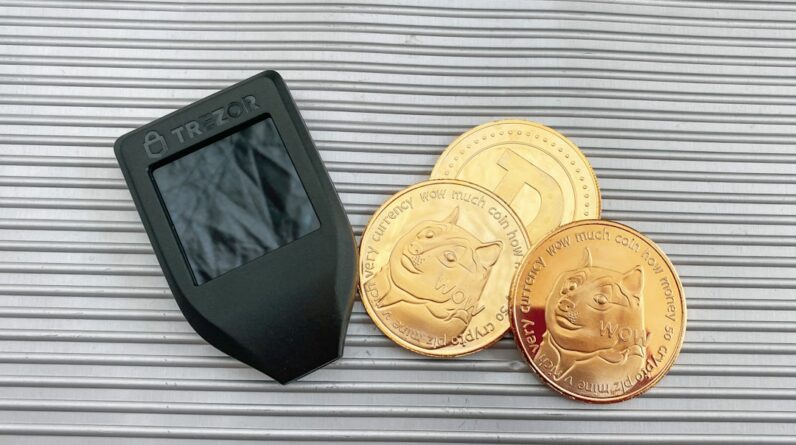
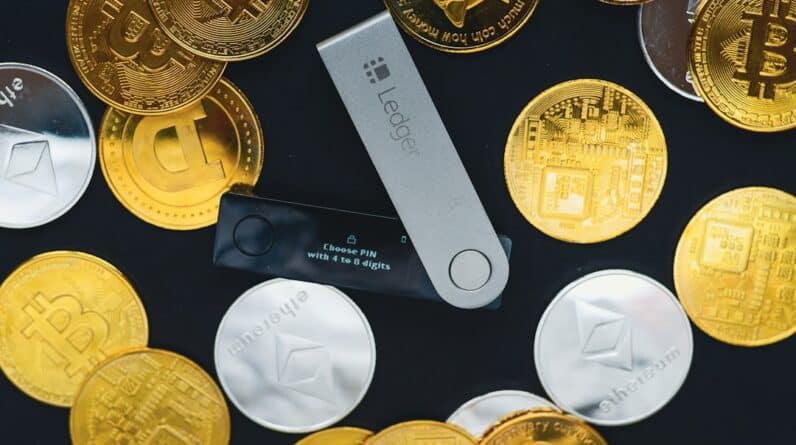
As you explore the various types of crypto wallets available, you’ll find that they can be broadly categorized into three main types: hardware wallets, software wallets, and paper wallets. Each type has its own unique features and benefits, catering to different user needs and preferences. Hardware wallets are physical devices designed specifically for storing cryptocurrencies securely.
They are often considered the most secure option because they store your private keys offline, making them less vulnerable to hacking attempts or malware attacks. On the other hand, software wallets are applications or programs that can be installed on your computer or mobile device. They come in various forms, including desktop wallets, mobile wallets, and web wallets.
While software wallets offer greater convenience and ease of use for everyday transactions, they are also more susceptible to online threats. Therefore, if you choose this option, it’s essential to select reputable software and keep it updated regularly to minimize risks. Paper wallets represent another alternative for storing cryptocurrencies.
A paper wallet is essentially a physical printout of your public and private keys. This method allows you to keep your keys completely offline, which can be an advantage in terms of security. However, it also comes with its own set of challenges; if the paper is lost or damaged, you could lose access to your funds permanently.
Each type of wallet has its pros and cons, so it’s important to evaluate your own needs and risk tolerance when deciding which one to use.
How to Set Up a Crypto Wallet

Setting up a crypto wallet may seem daunting at first, but the process is relatively straightforward once you understand the steps involved. If you opt for a hardware wallet, you’ll begin by purchasing the device from a reputable manufacturer. After receiving your hardware wallet, you’ll need to follow the manufacturer’s instructions for initializing it.
This typically involves connecting it to your computer or mobile device and creating a secure PIN code. Once set up, the device will generate your public and private keys. For software wallets, the setup process is equally simple.
You can download a wallet application from an official website or app store. After installation, you’ll be prompted to create a new wallet or restore an existing one using a recovery phrase. It’s crucial to write down this recovery phrase and store it in a safe place; it serves as a backup in case you lose access to your wallet.
Once you’ve completed these steps, you’ll have a fully functional wallet ready for transactions. Regardless of the type of wallet you choose, remember that securing your wallet is paramount. This means enabling two-factor authentication (2FA) if available and regularly updating your software to protect against vulnerabilities.
By taking these precautions during setup, you can significantly enhance the security of your crypto assets.
The Importance of Keeping Your Crypto Wallet Secure
As you navigate the world of cryptocurrencies, one of the most critical aspects you’ll need to focus on is security. The decentralized nature of cryptocurrencies means that there is no central authority or bank to turn to if something goes wrong. If someone gains access to your private key or wallet information, they can easily steal your funds without any recourse for recovery.
Therefore, understanding how to keep your crypto wallet secure is essential for protecting your investments. One effective way to enhance security is by using hardware wallets for long-term storage of significant amounts of cryptocurrency. These devices are designed with robust security features that make them less susceptible to hacking attempts compared to software wallets.
Additionally, always ensure that you download wallet software from official sources and avoid clicking on suspicious links or emails that could lead to phishing attacks. Another important practice is regularly backing up your wallet information. This includes saving your recovery phrase and any other relevant data in multiple secure locations.
In case of device failure or loss, having these backups will allow you to regain access to your funds without losing everything you’ve invested. By prioritizing security measures and staying informed about potential threats, you can significantly reduce the risk of losing your cryptocurrency assets.
How to Use a Crypto Wallet for Transactions
Once you’ve set up your crypto wallet and ensured its security, you’ll want to learn how to use it for transactions effectively. Sending and receiving cryptocurrencies is generally straightforward but requires attention to detail. To receive funds, you’ll need to share your public key or wallet address with the sender.
This address is typically a long string of alphanumeric characters that uniquely identifies your wallet on the blockchain. When sending cryptocurrency, you’ll need to enter the recipient’s address carefully; even a small mistake can result in lost funds. Most wallets will also allow you to specify the amount you wish to send and may provide options for adjusting transaction fees based on how quickly you want the transaction processed.
Higher fees often lead to faster confirmations on the blockchain due to prioritization by miners. After initiating a transaction, it’s essential to monitor its status until it is confirmed on the blockchain. Depending on network congestion and the fee you’ve chosen, this process can take anywhere from a few minutes to several hours.
Many wallets provide transaction history features that allow you to track past transactions easily. By familiarizing yourself with these processes, you’ll be well-equipped to navigate transactions confidently in the crypto space.
The Role of Public and Private Keys in a Crypto Wallet
Understanding public and private keys is fundamental when using a crypto wallet. As mentioned earlier, these keys serve as the backbone of cryptocurrency transactions and security. Your public key functions like an email address; it’s safe to share with others so they can send you funds without compromising your security.
This key is derived from your private key through complex mathematical algorithms but cannot be used to derive the private key itself. Your private key is where things get serious; it’s essentially the password that grants access to your cryptocurrency holdings. If someone obtains your private key, they can control your funds entirely—this is why keeping it secure is paramount.
Many wallets offer features like seed phrases or recovery phrases that allow you to regenerate your private key if lost but remember that anyone with access to this phrase can also access your funds. In practice, managing these keys requires diligence on your part. Always store your private key offline or in a secure location where only you can access it.
Some users opt for hardware wallets specifically because they keep private keys isolated from online threats while still allowing easy access for transactions when needed.
Choosing the Right Crypto Wallet for Your Needs
With so many options available in the market today, selecting the right crypto wallet can feel overwhelming at times. The best approach is to assess your specific needs based on how you plan to use cryptocurrencies. If you’re looking for long-term storage of significant amounts of digital assets, a hardware wallet may be the most suitable choice due to its enhanced security features.
Conversely, if you’re planning on making frequent transactions or trading cryptocurrencies regularly, a software wallet might be more convenient for you. Mobile wallets offer portability and ease of use while allowing quick access for everyday transactions. However, always ensure that any software wallet you choose has strong security measures in place.
Additionally, consider factors such as user experience and customer support when making your decision. Some wallets come with intuitive interfaces that make navigation easier for beginners, while others may offer advanced features suited for experienced users. By taking the time to evaluate these aspects carefully, you’ll be better positioned to choose a wallet that aligns with your cryptocurrency goals.
The Future of Crypto Wallets: Innovations and Developments
As technology continues to evolve rapidly, so too does the landscape of crypto wallets. Innovations are emerging at an unprecedented pace, promising enhanced security features and improved user experiences in the future. One area gaining traction is multi-signature wallets, which require multiple private keys for transaction approval—this adds an extra layer of security that could significantly reduce risks associated with theft or loss.
Another exciting development is the integration of decentralized finance (DeFi) functionalities within crypto wallets. As DeFi platforms gain popularity, many wallets are beginning to incorporate features that allow users to lend or stake their assets directly from their wallets without needing third-party services. This shift could revolutionize how individuals interact with their digital assets by providing more control over their investments.
Moreover, advancements in biometric authentication methods are likely to play a significant role in enhancing wallet security moving forward. Features such as fingerprint scanning or facial recognition could provide an additional layer of protection against unauthorized access while maintaining user convenience. In conclusion, as you navigate through the world of cryptocurrencies and explore various types of wallets available today, remember that understanding their functionalities and security measures is crucial for protecting your investments effectively.
By staying informed about innovations in this space and choosing a wallet that aligns with your needs, you’ll be well-equipped for success in this exciting digital frontier.
FAQs
What is a crypto wallet?
A crypto wallet is a digital tool that allows users to store, send, and receive various types of cryptocurrencies. It securely stores the user’s private keys, which are used to access and manage their digital assets on the blockchain.
How does a crypto wallet work?
A crypto wallet works by generating and storing a user’s public and private keys, which are used to interact with the blockchain. When a user wants to send or receive cryptocurrency, they use their wallet to sign transactions with their private key, which is then verified by the network.
What are the different types of crypto wallets?
There are several types of crypto wallets, including hardware wallets, software wallets (such as desktop, mobile, and web wallets), and paper wallets. Each type offers different levels of security and accessibility.
Are crypto wallets secure?
Crypto wallets can be secure if used properly. It’s important to choose a reputable wallet provider, enable security features such as two-factor authentication, and keep private keys safe and secure. Hardware wallets are generally considered the most secure option.
Can I use the same wallet for different cryptocurrencies?
Some wallets support multiple cryptocurrencies, while others are designed for specific ones. It’s important to choose a wallet that supports the specific cryptocurrencies you want to store and manage.