Cryptocurrency is a form of digital or virtual currency that utilizes cryptography for security. Unlike traditional currencies issued by governments, cryptocurrencies operate on decentralized networks based on blockchain technology. This means that transactions are recorded on a public ledger, which is maintained by a network of computers, or nodes, rather than a central authority.
The most well-known cryptocurrency, Bitcoin, was created in 2009 by an anonymous person or group known as Satoshi Nakamoto. Since then, thousands of alternative cryptocurrencies have emerged, each with unique features and purposes. You might find the concept of cryptocurrency intriguing due to its potential to revolutionize the financial landscape.
Cryptocurrencies offer a level of transparency and security that traditional banking systems often lack. Transactions can be made directly between users without the need for intermediaries, which can reduce fees and increase transaction speed. Additionally, the limited supply of many cryptocurrencies, such as Bitcoin, creates a sense of scarcity that can drive value.
As you delve deeper into the world of cryptocurrency, you’ll discover various applications beyond mere currency, including smart contracts and decentralized finance (DeFi) platforms.
Key Takeaways
- Cryptocurrency is a digital or virtual form of currency that uses cryptography for security and operates independently of a central bank.
- To buy cryptocurrency, you can use a cryptocurrency exchange platform or purchase it from an individual seller.
- Storing cryptocurrency can be done in a digital wallet, which can be either hot (connected to the internet) or cold (offline for added security).
- Sending and receiving cryptocurrency involves using a unique wallet address and private key for transactions.
- Understanding cryptocurrency wallets is important, as they are used to store, send, and receive digital currencies and come in various forms such as hardware, software, and paper wallets.
How to Buy Cryptocurrency
Purchasing cryptocurrency can seem daunting at first, but the process is relatively straightforward once you understand the steps involved. To begin, you’ll need to choose a cryptocurrency exchange where you can buy, sell, and trade digital currencies. Popular exchanges like Coinbase, Binance, and Kraken offer user-friendly interfaces that cater to both beginners and experienced traders.
After selecting an exchange, you’ll need to create an account by providing some personal information and verifying your identity, which is a standard procedure to comply with regulations. Once your account is set up and verified, you can fund it using various payment methods such as bank transfers, credit cards, or even PayPal in some cases. After your account is funded, you can navigate to the trading section of the exchange to select the cryptocurrency you wish to purchase.
You’ll have the option to buy at the current market price or set a limit order to buy at a specific price point. After confirming your purchase, the cryptocurrency will be credited to your exchange wallet. It’s essential to remember that while exchanges are convenient for buying crypto, they may not be the safest place to store your assets long-term.
How to Store Cryptocurrency
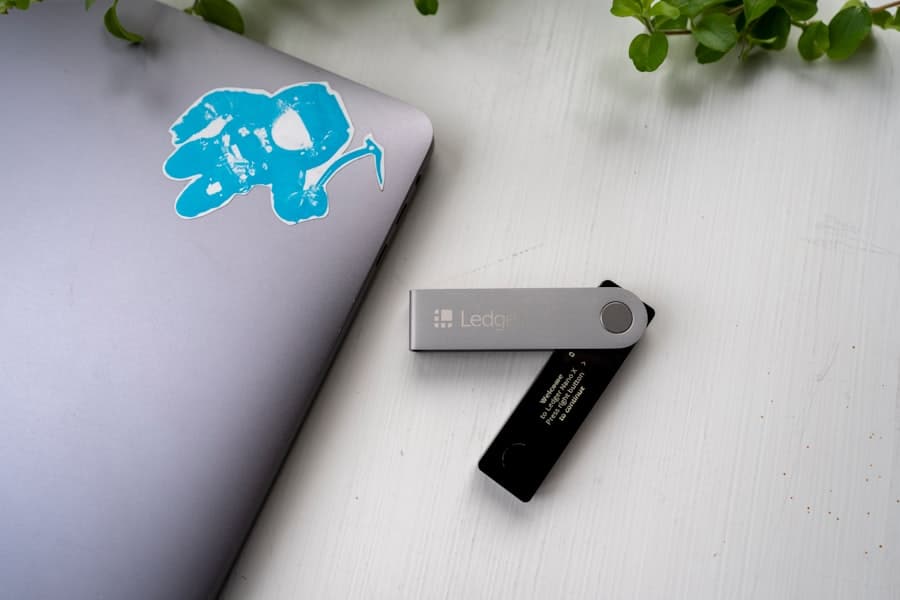
Storing your cryptocurrency securely is crucial to protecting your investment from theft or loss. While you may initially keep your assets in an exchange wallet after purchasing them, it’s advisable to transfer them to a more secure storage solution. There are two primary types of wallets: hot wallets and cold wallets.
Hot wallets are connected to the internet and are more convenient for frequent transactions, while cold wallets are offline and provide enhanced security against hacking attempts. If you opt for a hot wallet, consider using a reputable software wallet or a mobile app that offers strong security features like two-factor authentication (2FA). On the other hand, if you prioritize security over convenience, a cold wallet such as a hardware wallet or paper wallet may be the best choice for you.
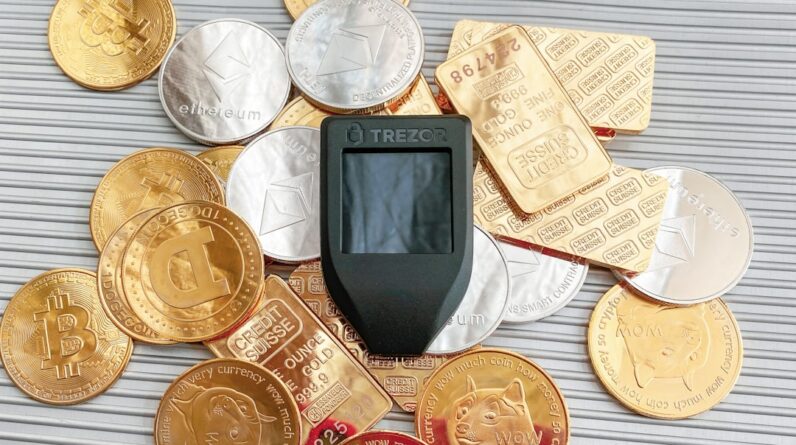
Hardware wallets like Ledger or Trezor store your private keys offline and are considered one of the safest options for long-term storage. Regardless of which method you choose, always ensure that you back up your wallet and keep your recovery phrases secure.
How to Send and Receive Cryptocurrency
Sending and receiving cryptocurrency is one of the fundamental aspects of using digital currencies. To send cryptocurrency, you’ll need the recipient’s wallet address, which is typically a long string of alphanumeric characters. When you initiate a transaction from your wallet or exchange account, you’ll enter the recipient’s address and specify the amount you wish to send.
It’s crucial to double-check the address before confirming the transaction since blockchain transactions are irreversible; once sent, they cannot be undone. Receiving cryptocurrency is equally straightforward. You simply need to provide your wallet address to the sender.
Many wallets also offer QR codes that can be scanned for easy sharing of your address. Once the sender completes the transaction, it will be broadcasted to the network for verification. Depending on the cryptocurrency and network congestion, it may take anywhere from a few seconds to several minutes for the transaction to be confirmed.
You can track the status of your transaction using a blockchain explorer specific to the cryptocurrency you are using.
Understanding Cryptocurrency Wallets
Cryptocurrency wallets are essential tools for managing your digital assets. They come in various forms and serve different purposes depending on how you intend to use them. At their core, wallets store your public and private keys—essentially your access credentials for sending and receiving cryptocurrencies.
Public keys are like your bank account number; they can be shared with others so they can send you funds. Private keys, however, are akin to your password; they must be kept secret at all costs since anyone with access to them can control your funds. There are several types of wallets available: software wallets (hot wallets), hardware wallets (cold wallets), and paper wallets.
Software wallets are convenient for everyday transactions but are more vulnerable to hacking due to their online nature. Hardware wallets provide enhanced security by keeping your private keys offline but may require some technical knowledge to set up and use effectively. Paper wallets involve printing out your keys on paper and storing them securely; while they are immune to online threats, they can be easily lost or damaged if not handled carefully.
How to Keep Your Cryptocurrency Safe
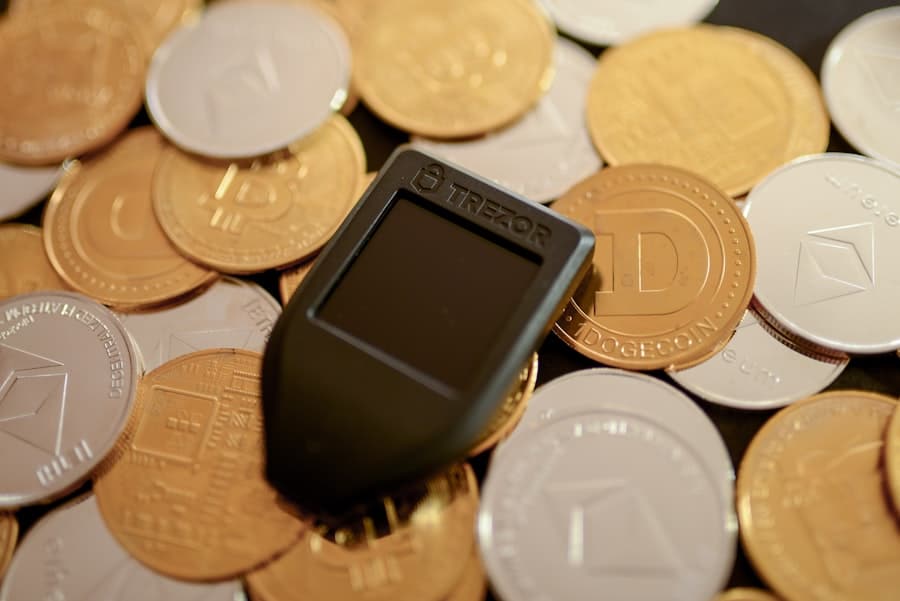
Keeping your cryptocurrency safe requires vigilance and proactive measures. One of the most effective ways to protect your assets is by using strong passwords and enabling two-factor authentication (2FA) on all accounts related to your cryptocurrency holdings. This adds an extra layer of security by requiring a second form of verification—such as a code sent to your mobile device—before allowing access to your account.
Additionally, consider diversifying where you store your cryptocurrencies. Instead of keeping all your assets in one exchange or wallet, spread them across multiple platforms or wallets. This way, if one account is compromised, you won’t lose everything.
Regularly updating your software wallets and keeping backups of your private keys in secure locations can also help safeguard against potential threats. Lastly, stay informed about common scams and phishing attempts in the cryptocurrency space so that you can recognize and avoid them.
How to Trade Cryptocurrency
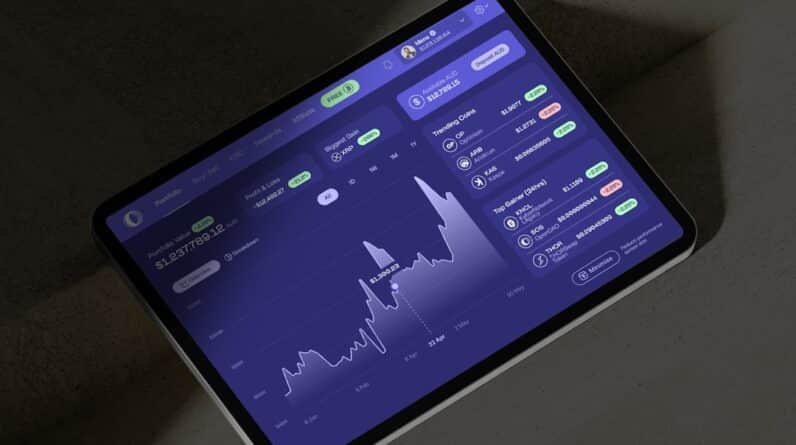
Trading cryptocurrency involves buying and selling digital assets with the aim of making a profit from price fluctuations. To get started with trading, you’ll first need to choose a reliable exchange that offers various trading pairs and features suitable for your trading style. Some exchanges provide advanced tools for technical analysis, while others cater more towards beginners with simplified interfaces.
Once you’ve selected an exchange and funded your account, you can begin trading by placing market orders or limit orders based on your strategy. A market order buys or sells at the current market price, while a limit order allows you to set a specific price at which you’re willing to buy or sell. As you gain experience in trading, you’ll learn about different strategies such as day trading, swing trading, or holding long-term investments (HODLing).
Each approach has its own risks and rewards, so it’s essential to develop a strategy that aligns with your financial goals and risk tolerance.
How to Use Cryptocurrency for Payments
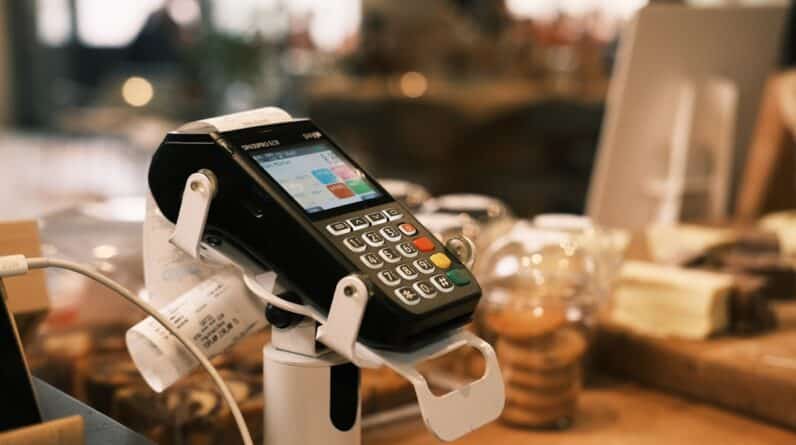
Using cryptocurrency for payments is becoming increasingly popular as more businesses recognize its potential benefits. To make a payment with cryptocurrency, you’ll typically need a digital wallet containing the specific currency you wish to use. Many merchants now accept cryptocurrencies directly through payment processors that facilitate transactions in real-time.
When making a payment, you’ll enter the merchant’s wallet address and specify the amount you wish to send. The transaction will then be processed on the blockchain network, where it will be verified before being completed. One of the advantages of using cryptocurrency for payments is lower transaction fees compared to traditional payment methods like credit cards or bank transfers.
Additionally, cryptocurrencies can facilitate cross-border transactions without the need for currency conversion or high fees associated with international transfers. As more businesses adopt cryptocurrency as a payment option, you’ll find it increasingly convenient to use digital currencies for everyday purchases—from online shopping to dining out at local restaurants that accept crypto payments. Embracing this new form of currency not only allows you to participate in an innovative financial ecosystem but also supports businesses that are pioneering this exciting shift in commerce.