What if one day you could replace your cash with a digital alternative that offers not just convenience but a whole new way of transacting? This is the promise that cryptocurrency provides. As the world becomes increasingly digital, exploring the reasons to shift from traditional cash to cryptocurrency has never been more relevant.
Understanding Cryptocurrency
Cryptocurrency is a type of digital or virtual currency that uses cryptography for security. Unlike traditional currencies issued by governments, cryptocurrencies operate on decentralized networks based on blockchain technology. A blockchain is essentially a distributed ledger that records all transactions across a network of computers. This technology ensures transparency and security, making it difficult to tamper with transaction data.
How Cryptocurrency Works
At its core, cryptocurrency relies on complex algorithms and peer-to-peer technology. Each user has a digital wallet, where their cryptocurrency is stored. When you want to make a transaction, you send a request to the network. It gets verified by multiple nodes (computers) before being added to the blockchain. This verification process makes it nearly impossible to alter a transaction once it’s been recorded.
Advantages of Cryptocurrency Over Cash
1. Security
One of the most compelling reasons to use cryptocurrency is the enhanced security it offers. Traditional cash transactions can be susceptible to theft or fraud. With cryptocurrencies, each transaction is secured by cryptographic principles, significantly reducing the risk of counterfeiting or unauthorized access.
2. Lower Transaction Fees
When you use cash, especially for international transactions, you might encounter various fees ranging from bank charges to foreign exchange costs. Cryptocurrency transactions typically involve lower fees. This can be especially beneficial for businesses or individuals frequently transferring money across borders.
| Type of Transaction | Cash Fees | Crypto Fees |
|---|---|---|
| Domestic Transfer | Variable | Low (often <1%)< />d> |
| International Transfer | High | Moderate (usually <2%)< />d> |
| ATM Fees | High | None |
3. Borderless Transactions
With cash, transferring money internationally can be cumbersome due to exchange rates and local regulations. However, cryptocurrencies are inherently global. They can be sent and received anywhere, anytime, without worrying about currency conversion barriers. This accessibility can make financial transactions easier for people who travel or live in different countries.
4. Anonymity and Privacy
Using cash allows a degree of anonymity in transactions, but it isn’t always secure or foolproof. Cryptocurrency transactions can often offer greater privacy. While your transaction history is publicly accessible on the blockchain, your personal information remains hidden. This privacy can be essential for individuals concerned about how their financial data might be used or monitored.
5. Financial Inclusion
Many individuals globally remain unbanked or underbanked, lacking access to traditional financial services. Cryptocurrency can provide an entry point for these individuals. With just a smartphone and an internet connection, anyone can create a digital wallet and start transacting. This aspect can empower underserved communities and promote greater financial inclusion.

Challenges of Using Cryptocurrency
While there are numerous advantages to using cryptocurrency, it’s important to acknowledge some challenges.
1. Volatility
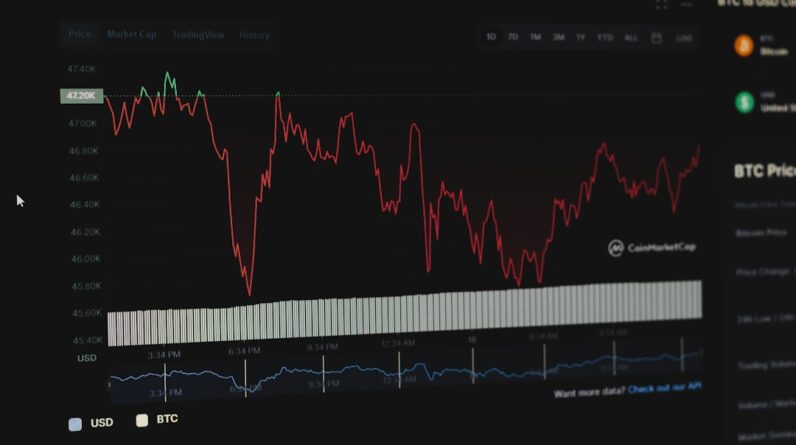
Cryptocurrency markets are known for their volatility. The value of a cryptocurrency can fluctuate dramatically in a short period. This can be a deterrent for some individuals, especially those seeking a stable medium of exchange. If you find yourself investing in cryptocurrency, it’s crucial to stay informed and be prepared for price swings.
2. Regulatory Uncertainty
The legal status of cryptocurrencies varies worldwide. Some countries have embraced them wholeheartedly, while others have imposed strict regulations or outright bans. This regulatory landscape can create confusion and uncertainty for those looking to adopt cryptocurrency.
3. Technical Barriers
For individuals who aren’t tech-savvy, the world of cryptocurrency can seem daunting. Setting up a digital wallet, understanding blockchain technology, and navigating exchanges can feel overwhelming. However, as more resources and user-friendly platforms emerge, these barriers are gradually diminishing.
Different Types of Cryptocurrencies
When you mention cryptocurrency, Bitcoin often springs to mind. However, Bitcoin is just one of thousands of cryptocurrencies available. Understanding the various types can help broaden your perspective on why choosing crypto may be beneficial for you.
1. Bitcoin (BTC)
Bitcoin was the first cryptocurrency, launched in 2009. It introduced the concept of decentralized currency and remains the most well-known and widely used. It operates on a limited supply, with only 21 million Bitcoins expected to ever be mined, making it akin to digital gold.
2. Ethereum (ETH)
Ethereum is more than just a cryptocurrency; it’s a platform for creating decentralized applications (dApps) using smart contracts. These contracts automatically execute transactions when predefined conditions are met. This feature has the potential to transform various industries, including finance, real estate, and supply chain management.
3. Stablecoins
Stablecoins are cryptocurrencies pegged to stable assets like the US dollar. Their primary purpose is to provide the benefits of digital currencies while minimizing volatility. For instance, Tether (USDT) and USD Coin (USDC) allow users to transact with reduced risk of price fluctuations.

Future of Cryptocurrency
As you consider the potential advantages of using cryptocurrency over cash, it’s essential to think about its future. The landscape is constantly evolving, and innovations are emerging that could reshape how we view and utilize currency.
1. Integration with Traditional Finance
Financial institutions are beginning to recognize the potential of cryptocurrencies. Many banks are exploring ways to incorporate blockchain technology and digital currencies into their systems. This integration can lead to improved efficiency and streamlined services for customers.
2. Central Bank Digital Currencies (CBDCs)
Several countries are researching or developing their own digital currencies through central banks. These CBDCs will combine the benefits of digital currencies with the backing of government institutions, potentially creating an alternative to traditional cash while maintaining stability.
3. Educational Initiatives
As more people begin to understand the benefits of cryptocurrencies, educational initiatives are vital. Knowledge about how to use and securely store digital currencies can empower individuals and promote wider adoption.
How to Get Started with Cryptocurrency
If you’re interested in transitioning to cryptocurrency from cash, here are some steps to guide you on your journey.
1. Educate Yourself
Before jumping in, take the time to learn about different cryptocurrencies, how wallets work, and the principles of blockchain technology. Numerous resources, from online courses to articles, can help deepen your understanding.
2. Choose a Wallet
Select a digital wallet that suits your needs. There are several types of wallets, including web wallets, mobile wallets, and hardware wallets. Each has its unique features and security levels.
3. Select a Cryptocurrency Exchange
Choose a reputable cryptocurrency exchange to buy, sell, or trade cryptocurrencies. Look for platforms that prioritize security, have user-friendly interfaces, and offer a variety of coins.
4. Start Small
When you’re ready to invest, start with a modest amount. This approach allows you to get comfortable with the process without putting too much at risk.

Conclusion
As you weigh the pros and cons of switching from cash to cryptocurrency, consider your own circumstances, preferences, and experiences with financial transactions. While cash has its place in today’s economy, cryptocurrency presents exciting possibilities that align with our increasingly digital lifestyles. The potential for security, lower fees, privacy, and financial inclusion makes a compelling case for embracing this modern financial paradigm. As technology evolves, staying adaptable will undoubtedly serve you well in navigating the future of finance.