As you delve into the world of cryptocurrency, it’s crucial to grasp the inherent risks associated with hacking. The decentralized nature of cryptocurrencies, while offering numerous advantages, also makes them a prime target for cybercriminals. Unlike traditional banking systems, where there are established protocols for fraud protection, the crypto landscape lacks such safeguards.
This absence of oversight means that once your assets are compromised, recovering them can be nearly impossible. Understanding these risks is the first step in safeguarding your investments. You may find that hackers employ various tactics to exploit vulnerabilities in the crypto ecosystem.
From sophisticated phishing schemes to direct attacks on exchanges and wallets, the methods are diverse and constantly evolving. As you navigate this digital frontier, it’s essential to stay informed about the latest threats and trends in hacking. By doing so, you can better prepare yourself and take proactive measures to protect your assets from potential breaches.
Key Takeaways
- Hacking in the crypto world poses significant risks to individuals and organizations, including financial loss and compromised personal information.
- Choosing the right crypto wallet is crucial for maximum security, with options including hardware wallets, paper wallets, and mobile/desktop wallets.
- Implementing strong passwords and two-factor authentication adds an extra layer of security to protect your crypto assets from unauthorized access.
- Keeping your private keys secure is essential to prevent unauthorized access to your crypto funds, with options including offline storage and encryption.
- Using hardware wallets provides added protection for your crypto assets, as they store your private keys offline and are less susceptible to hacking.
Choosing the Right Crypto Wallet for Maximum Security
Selecting the right crypto wallet is a fundamental aspect of securing your digital assets. With a plethora of options available, it’s vital to understand the differences between them. You might consider hardware wallets, software wallets, and even paper wallets, each offering varying levels of security and convenience.
Hardware wallets, for instance, store your private keys offline, making them less susceptible to online attacks. On the other hand, software wallets provide ease of access but may expose you to greater risks if not properly secured. When choosing a wallet, think about your specific needs and how often you plan to access your cryptocurrency.
If you’re a frequent trader, a software wallet might be more convenient for quick transactions. However, if you’re looking to hold your assets long-term, a hardware wallet could be the safer choice. Additionally, always research the reputation of the wallet provider and read user reviews to ensure that you’re selecting a reliable option that prioritizes security.
Implementing Strong Passwords and Two-Factor Authentication

One of the simplest yet most effective ways to enhance your crypto security is by implementing strong passwords and two-factor authentication (2FA). When creating a password for your wallet or exchange account, avoid using easily guessable information such as birthdays or common words. Instead, opt for a complex combination of letters, numbers, and special characters.
You might also consider using a password manager to generate and store unique passwords for each of your accounts securely. In addition to strong passwords, enabling two-factor authentication adds an extra layer of protection. This process typically requires you to provide a second form of verification, such as a code sent to your mobile device or generated by an authentication app.
By requiring this additional step, even if someone manages to obtain your password, they would still need access to your second factor to gain entry into your account. This dual-layer approach significantly reduces the likelihood of unauthorized access.
Keeping Your Private Keys Secure
Your private keys are the cornerstone of your cryptocurrency security; they grant you access to your funds. Therefore, keeping them secure is paramount. You should never share your private keys with anyone or store them in easily accessible locations like cloud storage or email accounts.
Instead, consider writing them down and storing them in a safe place, such as a safe deposit box or a personal safe at home. Moreover, be cautious about where and how you access your private keys. Avoid using public Wi-Fi networks when managing your crypto assets, as these can be breeding grounds for hackers looking to intercept sensitive information.
If possible, use a secure internet connection and ensure that your devices are equipped with up-to-date antivirus software to further protect against potential threats.
Using Hardware Wallets for Added Protection
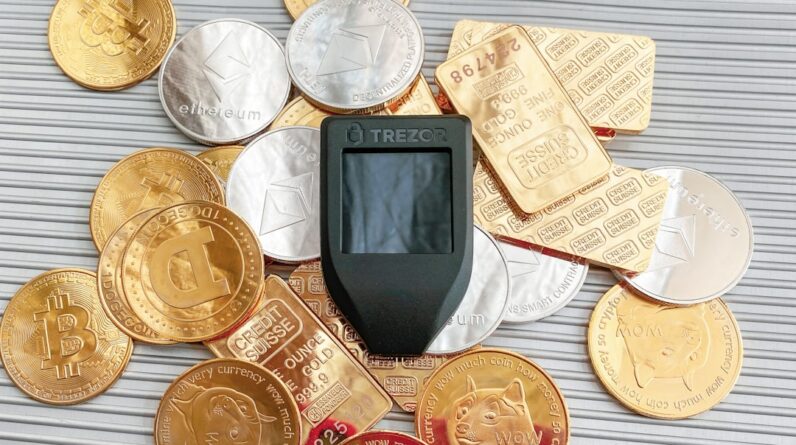
Hardware wallets are often regarded as one of the most secure options for storing cryptocurrencies. These physical devices store your private keys offline, making them immune to online hacking attempts. When you use a hardware wallet, you can conduct transactions without exposing your keys to the internet, significantly reducing the risk of theft.
If you’re serious about protecting your investments, investing in a reputable hardware wallet is a wise decision. When using a hardware wallet, it’s essential to follow best practices for setup and usage. Always purchase your device from an official source to avoid counterfeit products that may have been tampered with.
Once you have your hardware wallet, take the time to familiarize yourself with its features and security protocols. Regularly update its firmware as manufacturers often release updates that enhance security measures against emerging threats.
Being Cautious of Phishing Scams and Malware

Phishing scams and malware are prevalent threats in the cryptocurrency space that can lead to devastating losses if you’re not vigilant. Cybercriminals often create fake websites or send deceptive emails that mimic legitimate exchanges or wallet providers in an attempt to steal your login credentials or private keys. You should always double-check URLs before entering any sensitive information and be wary of unsolicited communications asking for personal details.
Additionally, ensure that your devices are protected against malware by installing reputable antivirus software and keeping it updated. Regularly scanning your devices can help detect any malicious software that may have been inadvertently downloaded. By maintaining a cautious approach and being aware of common phishing tactics, you can significantly reduce the risk of falling victim to these scams.
Regularly Updating and Backing Up Your Wallet
Regular updates and backups are critical components of maintaining the security of your cryptocurrency wallet. Software developers frequently release updates that address vulnerabilities and improve overall security features. By keeping your wallet software up-to-date, you ensure that you benefit from these enhancements and reduce the risk of exploitation by hackers.
Backing up your wallet is equally important; it allows you to recover your funds in case of device failure or loss. Most wallets provide options for creating backups through seed phrases or recovery keys. Make sure to store these backups securely in multiple locations—both physically and digitally—to ensure that you can access them when needed.
By taking these proactive steps, you can safeguard your investments against unforeseen circumstances.
Seeking Professional Help in Case of Suspected Hacking
If you ever suspect that your crypto wallet has been compromised or hacked, seeking professional help should be your immediate course of action. Many cybersecurity firms specialize in cryptocurrency security and can assist you in assessing the situation and taking appropriate measures to mitigate damage. They can help trace stolen funds or provide guidance on securing your remaining assets.
Additionally, reporting any suspected hacking incidents to relevant authorities can aid in tracking down cybercriminals and preventing further attacks on others in the community. While it’s essential to act quickly in these situations, remember that prevention is always better than cure; staying informed and implementing robust security measures will go a long way in protecting your cryptocurrency investments from hacking threats. In conclusion, navigating the world of cryptocurrency requires vigilance and proactive measures to safeguard your assets from hacking risks.
By understanding these risks, choosing secure wallets, implementing strong passwords and two-factor authentication, keeping private keys secure, utilizing hardware wallets, being cautious of phishing scams and malware, regularly updating and backing up your wallet, and seeking professional help when necessary, you can significantly enhance your security posture in this dynamic digital landscape.
FAQs
What is a crypto wallet?
A crypto wallet is a digital tool that allows users to store, send, and receive cryptocurrencies such as Bitcoin, Ethereum, and others.
How can I protect my crypto wallet from hacking?
To protect your crypto wallet from hacking, you can use strong and unique passwords, enable two-factor authentication, keep your software up to date, use hardware wallets, and be cautious of phishing attempts.
What is two-factor authentication and how does it help protect my crypto wallet?
Two-factor authentication adds an extra layer of security to your crypto wallet by requiring a second form of verification, such as a code sent to your mobile device, in addition to your password.
What are hardware wallets and how do they protect my crypto assets?
Hardware wallets are physical devices that store the private keys to your crypto assets offline, making it more difficult for hackers to access them compared to online wallets.
What should I do if I suspect my crypto wallet has been hacked?
If you suspect your crypto wallet has been hacked, you should immediately stop all transactions, change your passwords, and contact your wallet provider for assistance. It’s also important to report the incident to the relevant authorities.