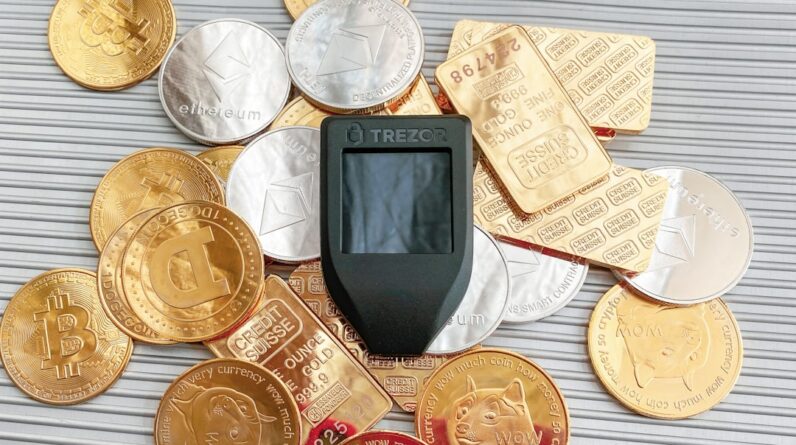
Cryptocurrency debit cards are innovative financial tools that allow you to spend your digital assets in a manner similar to traditional debit cards. These cards bridge the gap between the world of cryptocurrencies and everyday transactions, enabling you to use your Bitcoin, Ethereum, or other cryptocurrencies at millions of merchants worldwide. When you make a purchase using a cryptocurrency debit card, the card provider converts your digital currency into fiat currency in real-time, allowing you to pay for goods and services seamlessly.
The appeal of cryptocurrency debit cards lies in their convenience and flexibility. You can use them for online shopping, in-store purchases, or even withdrawing cash from ATMs. This means that you can enjoy the benefits of holding cryptocurrencies while still having the ability to spend them just like traditional money.
As the adoption of cryptocurrencies continues to grow, these debit cards are becoming increasingly popular among both crypto enthusiasts and those looking to dip their toes into the digital currency space.
Key Takeaways
- Cryptocurrency debit cards are physical or virtual cards that allow users to spend their cryptocurrency holdings at merchants that accept traditional debit cards.
- Unlike traditional debit cards, cryptocurrency debit cards allow users to spend their cryptocurrency holdings directly without the need to convert them to fiat currency first.
- To get a cryptocurrency debit card, users can apply for one through various cryptocurrency wallet providers or third-party companies that offer these cards.
- Users can load funds onto their cryptocurrency debit cards by transferring cryptocurrency from their wallet to the card’s associated account.
- Cryptocurrency debit cards can be used for transactions at any merchant that accepts traditional debit cards, making it easier for users to spend their cryptocurrency holdings in the real world.
- Security and risks associated with cryptocurrency debit cards include the potential for hacking, fraud, and theft of funds.
- Fees associated with cryptocurrency debit cards may include issuance fees, transaction fees, conversion fees, and ATM withdrawal fees.
- The future of cryptocurrency debit cards looks promising as more companies and financial institutions are exploring ways to integrate cryptocurrency into everyday spending.
How do Cryptocurrency Debit Cards differ from traditional debit cards?
While cryptocurrency debit cards share some similarities with traditional debit cards, they also have distinct differences that set them apart. One of the most significant differences is the source of funds. Traditional debit cards are linked to your bank account, allowing you to spend the money you have deposited there.
In contrast, cryptocurrency debit cards are linked to your digital wallet, where your cryptocurrencies are stored. This means that when you make a purchase, the card provider converts your cryptocurrency into fiat currency on-the-fly, enabling you to complete the transaction. Another key difference lies in the underlying technology and regulatory framework.
Traditional debit cards operate within established banking systems and are subject to regulations that govern financial institutions. Cryptocurrency debit cards, however, operate in a more decentralized environment, often relying on blockchain technology for transactions. This can lead to varying levels of security and privacy, as well as different fee structures.
Additionally, while traditional debit cards typically offer consumer protections and dispute resolution processes, cryptocurrency debit cards may not provide the same level of recourse in case of fraud or transaction errors.
How to get a Cryptocurrency Debit Card?

Acquiring a cryptocurrency debit card is a relatively straightforward process, but it does require some initial steps to ensure you choose the right card for your needs. First, you should research various providers to find one that aligns with your preferences regarding fees, supported cryptocurrencies, and features. Some popular options include Coinbase Card, Binance Card, and Crypto.com Card.
Each provider has its unique offerings, so take the time to compare them before making a decision. Once you’ve selected a provider, you’ll need to create an account with them. This typically involves providing personal information such as your name, email address, and sometimes even identification documents for verification purposes.
After your account is set up and verified, you can apply for the debit card itself. Depending on the provider, you may receive a physical card in the mail or gain access to a virtual card that can be used for online transactions immediately. The entire process can take anywhere from a few minutes to several days, depending on the provider’s policies and your location.
How to load funds onto a Cryptocurrency Debit Card?
Loading funds onto your cryptocurrency debit card is an essential step that allows you to utilize your digital assets for everyday transactions. The process can vary slightly depending on the card provider, but generally involves transferring cryptocurrency from your digital wallet to your card account. Most providers offer a user-friendly interface that guides you through this process.
To load funds onto your card, you’ll typically need to log into your account on the provider’s platform and navigate to the section dedicated to funding your card. From there, you can select which cryptocurrency you wish to transfer and specify the amount. After confirming the transaction, the funds will be converted into fiat currency and made available for use on your card.
It’s important to note that some providers may impose limits on how much you can load onto your card at once or within a specific timeframe, so be sure to check these details before proceeding.
Using a Cryptocurrency Debit Card for transactions
Using a cryptocurrency debit card for transactions is designed to be as simple as using a traditional debit card. When you’re ready to make a purchase, whether online or in-store, you can present your card just like you would with any other payment method. If you’re shopping online, you’ll enter your card details during checkout; if you’re at a physical store, you’ll swipe or tap your card at the point of sale.
One of the advantages of using a cryptocurrency debit card is that it allows you to spend your digital assets without needing to convert them into fiat currency beforehand. The conversion happens automatically at the time of purchase, which means you can take advantage of favorable exchange rates or simply use your cryptocurrencies as needed without worrying about timing the market. Additionally, many providers offer rewards programs or cashback incentives for using their cards, adding another layer of appeal for users looking to maximize their spending power.
Security and Risks of Cryptocurrency Debit Cards

While cryptocurrency debit cards offer convenience and flexibility, they also come with inherent risks that users should be aware of. One primary concern is security; since these cards are linked to digital wallets containing cryptocurrencies, they can be attractive targets for hackers. It’s crucial to choose a reputable provider with robust security measures in place, such as two-factor authentication and encryption protocols.
Another risk associated with cryptocurrency debit cards is market volatility. The value of cryptocurrencies can fluctuate dramatically within short periods, which means that the amount available on your card may change rapidly. If you’re not careful about managing your funds and understanding market trends, you could find yourself in a situation where the value of your holdings decreases significantly after loading them onto your card.
Additionally, since cryptocurrency regulations are still evolving in many jurisdictions, there may be legal uncertainties surrounding the use of these cards that could impact their functionality or availability.
Fees associated with Cryptocurrency Debit Cards
When considering a cryptocurrency debit card, it’s essential to be aware of the various fees that may be associated with its use. These fees can vary significantly between providers and can impact your overall experience with the card. Common fees include transaction fees when converting cryptocurrencies into fiat currency at the point of sale, monthly maintenance fees for keeping the card active, and ATM withdrawal fees if you choose to withdraw cash.
Some providers may also charge fees for loading funds onto your card or for using certain features like international transactions. It’s important to read the fine print and understand all potential costs before committing to a specific card. By doing so, you can avoid any unpleasant surprises down the line and ensure that you’re making an informed decision based on your spending habits and financial goals.
The future of Cryptocurrency Debit Cards
The future of cryptocurrency debit cards appears promising as more people embrace digital currencies and seek ways to integrate them into their daily lives. As technology continues to evolve and regulatory frameworks become clearer, we can expect improvements in security features and user experiences associated with these cards. Innovations such as biometric authentication and enhanced encryption methods may become standard practices among providers.
Moreover, as mainstream adoption of cryptocurrencies grows, we may see an increase in partnerships between cryptocurrency companies and traditional financial institutions. This could lead to more competitive offerings in terms of fees and features while also providing users with greater peace of mind regarding regulatory compliance and consumer protections. Ultimately, cryptocurrency debit cards have the potential to revolutionize how we think about money and spending in an increasingly digital world, making it easier than ever for you to access and utilize your digital assets in everyday transactions.
FAQs
What is a cryptocurrency debit card?
A cryptocurrency debit card is a payment card that allows users to spend their cryptocurrency holdings at merchants that accept traditional debit cards.
How do cryptocurrency debit cards work?
Cryptocurrency debit cards work by converting the user’s cryptocurrency holdings into fiat currency at the time of the transaction. The card is linked to a cryptocurrency wallet, and when a purchase is made, the equivalent amount of cryptocurrency is sold and the fiat currency is used to complete the transaction.
What are the benefits of using a cryptocurrency debit card?
Some benefits of using a cryptocurrency debit card include the ability to spend cryptocurrency at merchants that do not accept direct cryptocurrency payments, the convenience of using a familiar payment method, and the potential for earning rewards or cashback in cryptocurrency.
Are there any drawbacks to using a cryptocurrency debit card?
Drawbacks of using a cryptocurrency debit card may include potential fees for transactions and currency conversion, as well as the risk of price volatility in the cryptocurrency market affecting the value of the user’s holdings at the time of the transaction.
Are cryptocurrency debit cards widely accepted?
Cryptocurrency debit cards are not as widely accepted as traditional debit or credit cards, but their acceptance is growing as more merchants and payment processors begin to support cryptocurrency payments.