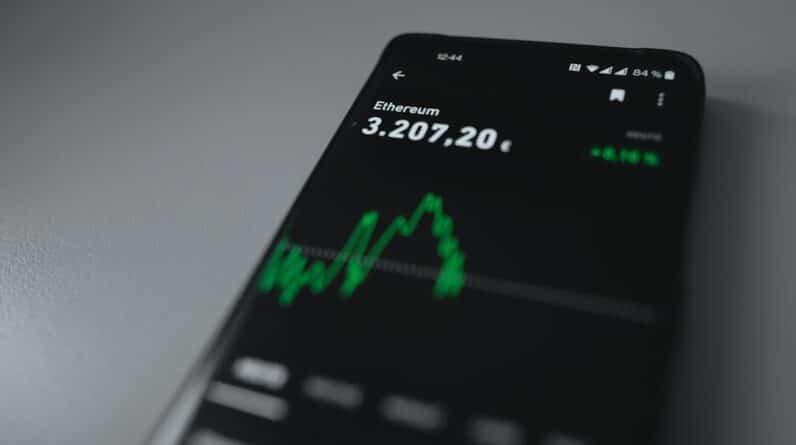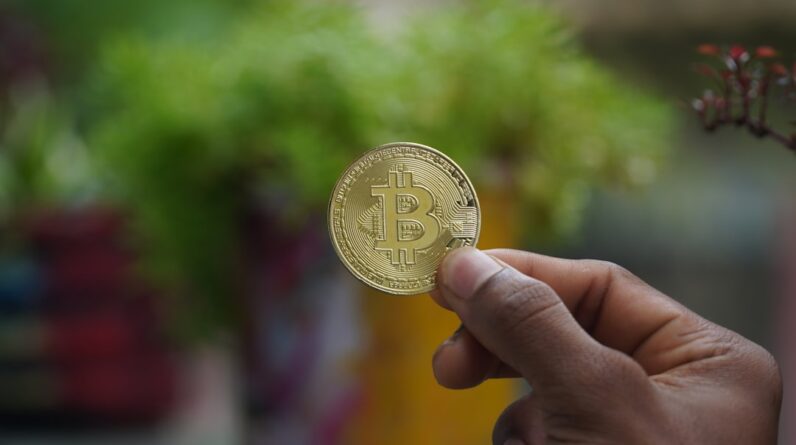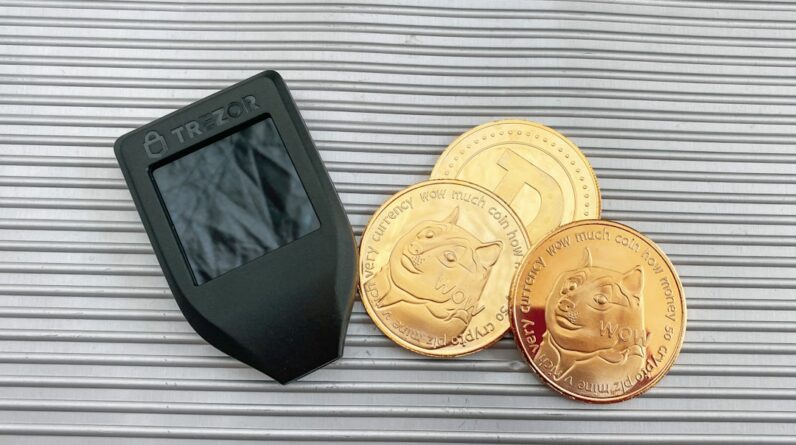
In recent years, the financial landscape has undergone a significant transformation, largely driven by the emergence of cryptocurrency and digital assets. You may have heard terms like Bitcoin, Ethereum, and blockchain technology being tossed around in conversations, news articles, and social media. These innovations have not only captured the attention of investors but have also sparked debates about the future of money, investment, and even governance.
As you delve deeper into this world, you will discover that cryptocurrency and digital assets are not just buzzwords; they represent a paradigm shift in how we perceive value and conduct transactions. The rise of cryptocurrency has been meteoric, with Bitcoin being the first and most well-known example. Launched in 2009, it introduced a decentralized form of currency that operates independently of traditional banking systems.
Digital assets, on the other hand, encompass a broader category that includes cryptocurrencies as well as other forms of digital representations of value. Understanding these concepts is crucial for anyone looking to navigate the modern financial ecosystem. As you explore this article, you will gain insights into the definitions, characteristics, and implications of both cryptocurrency and digital assets.
Key Takeaways
- Cryptocurrency is a type of digital or virtual currency that uses cryptography for security and operates independently of a central bank.
- Digital assets are any form of electronic data that has value and can be owned or controlled, including cryptocurrencies, digital tokens, and digital securities.
- The key difference between cryptocurrency and digital assets lies in the fact that cryptocurrency is a subset of digital assets, while digital assets encompass a broader range of assets.
- Both cryptocurrency and digital assets share similarities in terms of being decentralized, borderless, and having the potential for high volatility and speculative investment opportunities.
- Cryptocurrency and digital assets have various use cases and applications, including peer-to-peer transactions, smart contracts, tokenization of assets, and fundraising through initial coin offerings (ICOs) and security token offerings (STOs).
Definition and Characteristics of Cryptocurrency
Cryptocurrency can be defined as a type of digital or virtual currency that uses cryptography for security. This technology ensures that transactions are secure and that the creation of new units is regulated. You might find it interesting that cryptocurrencies operate on decentralized networks based on blockchain technology, which is a distributed ledger that records all transactions across a network of computers.
This decentralization is one of the defining characteristics of cryptocurrencies, as it eliminates the need for intermediaries like banks or payment processors. Another key characteristic of cryptocurrency is its limited supply. Most cryptocurrencies have a cap on the total number of coins that can ever be created.
For instance, Bitcoin has a maximum supply of 21 million coins, which introduces scarcity into the digital currency ecosystem. This feature can lead to increased demand and value over time, making cryptocurrencies an attractive option for investors. Additionally, cryptocurrencies are often characterized by their volatility; prices can fluctuate dramatically within short periods, presenting both opportunities and risks for those who choose to invest.
Definition and Characteristics of Digital Assets

Digital assets encompass a broader range of items than just cryptocurrencies. You can think of digital assets as any form of value that exists in a digital format and can be owned or traded. This includes not only cryptocurrencies but also tokens representing real-world assets, digital art (like NFTs), and even intellectual property rights stored on a blockchain.
The defining feature of digital assets is their ability to be easily transferred and traded over the internet, making them accessible to a global audience. One of the most compelling characteristics of digital assets is their programmability. Many digital assets are built on smart contracts—self-executing contracts with the terms directly written into code.
This allows for automated transactions without the need for intermediaries, streamlining processes in various industries such as finance, real estate, and entertainment. Furthermore, digital assets can be fractionalized, meaning you can own a portion of an asset rather than needing to purchase it in its entirety. This opens up investment opportunities to a wider range of individuals who may not have the capital to invest in whole assets.
Key Differences Between Cryptocurrency and Digital Assets
While cryptocurrency is a subset of digital assets, there are key differences that set them apart. One primary distinction lies in their purpose and functionality. Cryptocurrencies are primarily designed to serve as a medium of exchange or store of value, similar to traditional currencies.
In contrast, digital assets can represent a wide array of values beyond just currency; they can include ownership rights to physical assets or unique digital creations. Another significant difference is the regulatory landscape surrounding each category. Cryptocurrencies often face scrutiny from governments and regulatory bodies due to their potential use in illicit activities and their impact on traditional financial systems.
Digital assets, particularly those tied to specific projects or companies, may be subject to different regulations depending on their nature and use case. As you navigate this space, understanding these distinctions will help you make informed decisions about investments and participation in various projects.
Similarities Between Cryptocurrency and Digital Assets
Despite their differences, cryptocurrency and digital assets share several similarities that make them appealing to users and investors alike. Both rely on blockchain technology for security and transparency, ensuring that transactions are recorded in an immutable manner. This shared foundation fosters trust among users, as they can verify transactions independently without relying on centralized authorities.
Additionally, both cryptocurrencies and digital assets offer opportunities for innovation in various sectors. They enable new business models and revenue streams that were previously unimaginable in traditional finance or asset management. For instance, tokenization allows real estate properties to be divided into smaller shares, making it easier for individuals to invest in high-value assets.
As you explore these similarities, you will see how they contribute to the growing interest in both cryptocurrencies and digital assets.
Use Cases and Applications of Cryptocurrency and Digital Assets

The use cases for cryptocurrency are diverse and continually evolving. You may be familiar with Bitcoin being used as a store of value or “digital gold,” but its applications extend far beyond that. Cryptocurrencies can facilitate cross-border transactions with lower fees compared to traditional banking systems, making them an attractive option for remittances.
Additionally, decentralized finance (DeFi) platforms allow users to lend, borrow, and earn interest on their crypto holdings without intermediaries. Digital assets also have a wide range of applications across various industries. Non-fungible tokens (NFTs) have gained immense popularity in the art world, allowing artists to sell unique digital creations while retaining ownership rights through blockchain technology.
In supply chain management, companies are using digital assets to track products from origin to consumer, enhancing transparency and accountability. As you consider these use cases, it becomes clear that both cryptocurrency and digital assets are poised to disrupt traditional industries in profound ways.
Regulation and Legal Status of Cryptocurrency and Digital Assets
The regulatory environment surrounding cryptocurrency and digital assets is complex and varies significantly from one jurisdiction to another. In some countries, cryptocurrencies are embraced as legitimate forms of currency or investment vehicles, while others impose strict regulations or outright bans. You may find it interesting that regulatory bodies are grappling with how to classify these assets—whether as currencies, commodities, or securities—which affects how they are taxed and traded.
As governments continue to develop frameworks for regulating cryptocurrency and digital assets, you should stay informed about changes that could impact your investments or participation in this space. Regulatory clarity can foster innovation by providing guidelines for businesses operating within the ecosystem while also protecting consumers from fraud or misuse. The ongoing dialogue between regulators and industry stakeholders will shape the future landscape of cryptocurrency and digital assets.
Conclusion and Future Outlook for Cryptocurrency and Digital Assets
As you reflect on the information presented in this article, it’s clear that cryptocurrency and digital assets represent a significant evolution in how we understand value and conduct transactions. The potential for innovation is vast, with new applications emerging regularly across various sectors. While challenges such as regulatory uncertainty and market volatility exist, the underlying technology continues to gain traction among businesses and consumers alike.
Looking ahead, you can expect further integration of cryptocurrency and digital assets into everyday life. As more people become familiar with these concepts, their adoption will likely increase across different demographics. The future may hold exciting developments such as central bank digital currencies (CBDCs), which could bridge the gap between traditional finance and the burgeoning world of digital assets.
By staying informed and engaged with these trends, you position yourself to navigate this dynamic landscape effectively.
FAQs
What is a cryptocurrency?
A cryptocurrency is a digital or virtual currency that uses cryptography for security and operates independently of a central bank. It is decentralized and typically uses a technology called blockchain to achieve transparency and immutability.
What is a digital asset?
A digital asset is any form of data that has economic value and can be owned or controlled. This can include cryptocurrencies, but also encompasses a wide range of other digital items such as digital art, music, videos, and more.
What are the key differences between a cryptocurrency and a digital asset?
The key difference between a cryptocurrency and a digital asset is that while all cryptocurrencies are digital assets, not all digital assets are cryptocurrencies. Cryptocurrencies specifically function as a medium of exchange, whereas digital assets can represent a wide variety of things with economic value.
How are cryptocurrencies and digital assets similar?
Both cryptocurrencies and digital assets exist in digital form and can be transferred electronically. They also both rely on cryptographic techniques for security and are typically stored in digital wallets.
Are cryptocurrencies and digital assets regulated differently?
Regulation of cryptocurrencies and digital assets varies by jurisdiction, but in general, both are subject to regulatory oversight. However, cryptocurrencies may be subject to more specific regulations due to their function as a medium of exchange and potential impact on financial systems.