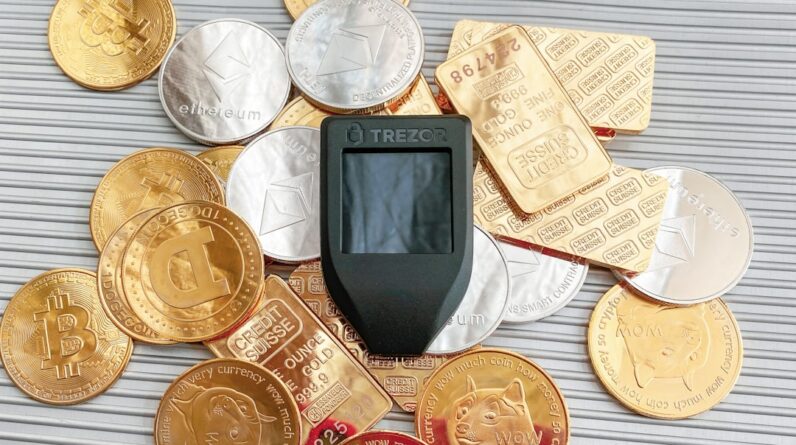
What if you could buy into real estate with the same ease as buying your morning coffee? The world has seen the rise of cryptocurrencies, and the question hanging in the air is whether they can inject liquidity into the traditionally static real estate market.
Understanding Liquidity in Real Estate
When you think about liquidity in financial contexts, it often refers to how quickly or easily an asset can be converted into cash without significantly impacting its price. Real estate, however, has historically been less liquid. In simple terms, if you own a house, selling it can take time and resources, making it a challenge to tap into cash quickly when you need it. And that’s where the concept of bringing crypto into the mix comes into play.
What Is Cryptocurrency?
At its core, cryptocurrency is a digital or virtual form of money that relies on cryptography to secure transactions. It operates on technology called blockchain, which is a publicly distributed ledger that records all transactions across numerous computers, ensuring transparency and security. Bitcoin, Ethereum, and hundreds of others have entered the financial landscape, each with its unique features and applications.
How Liquidity Works
In financial markets, liquidity is a key characteristic that investors often look for. A liquid market allows individuals to buy and sell assets with ease, promoting swift transactions and better price stability. In contrast, illiquid markets, like real estate, can lead to elongated selling times, increased costs, and ultimately discourage investments. The dream is to find ways to make real estate transactions as simple as sending cryptocurrency from one digital wallet to another.
The Intersection of Cryptocurrency and Real Estate
Current Market Trends
You might be curious about how cryptocurrencies are transforming various sectors, including real estate. Recent trends show an increasing interest in tokenization. Tokenization refers to the process of converting rights to an asset into a digital token on a blockchain. This opens the door for fractional ownership, where multiple investors can purchase a share of a property instead of requiring an individual to buy the whole asset.
Real Estate Tokenization Explained
To put it simply, real estate tokenization transforms property rights into blockchain-based tokens. These tokens represent ownership stakes in a property, allowing for fractions of high-value assets to be bought and sold. This leads to a more liquid market, where investors can enter and exit positions with greater ease.
Imagine being able to buy a 10th of a luxury apartment in Miami instead of having to fork out millions for the entire unit. This concept not only democratizes real estate investment but also enhances the market’s liquidity.
Benefits of Tokenization
-
Accessibility: Tokenization lowers the barriers to entry for many investors, providing opportunities to invest in real estate without the need for significant capital.
-
Increased Liquidity: With assets being tokenized, investors can trade tokens more easily, much like stocks. This means quicker sales and easier access to your cash.
-
Global Market Participation: Cryptocurrency allows investors from around the world to participate in real estate markets that might have previously been inaccessible to them.
-
Reduced Costs: By utilizing blockchain technology, transaction costs related to intermediaries like brokers, banks, or lawyers can be minimized, enabling more profits to be retained by the investors themselves.
Challenges Facing Crypto in Real Estate
While the benefits are enticing, it’s also important to consider the challenges that accompany integrating cryptocurrency into real estate.
-
Regulatory Uncertainty: Laws surrounding cryptocurrencies are still evolving, and regulations can vary widely by country, creating a complex legal landscape for investors and developers.
-
Market Volatility: Cryptocurrencies are known for their price volatility. The unpredictability of these digital currencies can deter potential investors who may be risk-averse.
-
Technical Barriers: Understanding blockchain and cryptocurrency can be daunting for newcomers. The lack of user-friendly interfaces and systems may keep some people from participating.
-
Acceptance Issues: Not all real estate transactions currently accept cryptocurrencies, though this is gradually changing as awareness grows.

Real-World Examples of Crypto in Real Estate
Case Study: Propy
One prominent example of integrating cryptocurrency within real estate is Propy, a California-based company that has positioned itself as a leader in property transactions via blockchain. Propy facilitates cross-border real estate transactions using cryptocurrencies. By streamlining the buying, selling, and closing process with its blockchain-based platform, Propy aims to make real estate more accessible and efficient.
Case Study: Harbor
Another example is Harbor, a platform that specializes in tokenizing private securities, including real estate. Harbor works with property developers to create compliant tokens representing shares in real estate developments. This provides investors with an opportunity to invest in lucrative development projects without the traditional barriers.
How Crypto Could Transform Real Estate Investment
The Future of Property Ownership
As you think about the future, consider that the integration of cryptocurrencies could lead to a new era of property ownership. Imagine a time when real estate assets are universally accessible through a digital wallet. You would be able to invest in real estate across the globe at the touch of a button, promoting broad participation in markets that have long been seen as out of reach for many.
Increased Transparency
The blockchain technology underpinning cryptocurrencies offers a solution to transparency issues within real estate. By using blockchain, transactions can be verified and stored publicly, reducing the likelihood of fraud and increasing trust in the marketplace. This transparency could make both buyers and sellers more confident in their transactions.

The Role of Smart Contracts
What Are Smart Contracts?
Smart contracts are self-executing contracts with the terms of the agreement directly written into lines of code. They enable automatic execution of contract terms when conditions are met, offering an extra layer of security and efficiency in transactions.
Benefits of Smart Contracts in Real Estate
-
Automation: Smart contracts eliminate the need for intermediaries by executing terms automatically, reducing time and costs associated with property transactions.
-
Security: The integrity of the contract is protected through blockchain technology, which is immutable and tamper-proof.
-
Clarity: All parties involved can see the terms of the contract clearly mapped out, minimizing disputes that might arise from misunderstandings.
The Path Ahead
Adoption by Traditional Markets
For cryptocurrencies to truly disrupt the real estate sector, broader adoption by traditional markets is necessary. This means encouraging institutional investors to embrace blockchain technology and allowing for regulations that support more seamless integration of cryptocurrency transactions in real estate.
Education and Awareness
Education will play a critical role in making this vision a reality. Potential investors need resources to learn about cryptocurrency and its implications for real estate, fostering an environment for informed decision-making.
Collaborations and Partnerships
Building bridges between real estate companies and tech innovators can lead to fruitful collaborations. By working together, both sectors can learn from each other and create solutions that benefit everyone.

Final Thoughts
As you contemplate the possibilities that cryptocurrencies introduce to the real estate market, it’s clear that there are both opportunities and challenges ahead. The intersection of these two domains holds the potential to redefine property ownership, making it more inclusive and accessible.
Embracing this transformation will require patience, collaboration, and an open mind. The future of real estate liquidity may very well rest on the shoulders of cryptocurrency, bringing us closer to a reality where purchasing property is as easy as making that morning cup of coffee. Your thoughts and willingness to engage will be an essential part of this journey. How will you navigate the evolving landscape of real estate in a world increasingly influenced by blockchain technology?