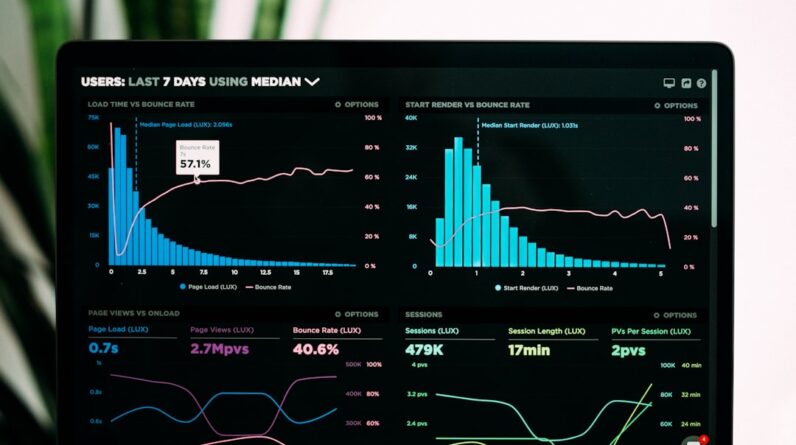
Understanding market demand and supply is crucial for anyone looking to navigate the complexities of financial markets. Demand refers to the desire of consumers to purchase a good or service at a given price, while supply represents the amount of that good or service that producers are willing to sell. In the context of financial markets, these principles dictate price movements and overall market health.
When demand outstrips supply, prices tend to rise, reflecting the increased competition among buyers. Conversely, when supply exceeds demand, prices typically fall as sellers compete to attract buyers. In recent years, the dynamics of market demand and supply have been influenced by various factors, including technological advancements and changing consumer preferences.
For instance, the rise of digital currencies has created a new class of assets that appeal to a younger demographic, driving demand in ways traditional assets may not. Additionally, global events such as pandemics or economic crises can significantly alter consumer behavior, leading to sudden spikes or drops in demand. As you analyze these trends, it’s essential to consider how external factors can shift the balance between demand and supply, ultimately impacting your investment decisions.
Key Takeaways
- Market demand and supply play a crucial role in determining the price of cryptocurrencies.
- Speculation and investor sentiment can lead to rapid price fluctuations in the cryptocurrency market.
- Regulatory changes can have a significant impact on the legality and use of cryptocurrencies.
- Technological developments, such as blockchain advancements, can influence the value and utility of cryptocurrencies.
- Security concerns, including hacking and fraud, are important considerations for cryptocurrency investors and users.
Speculation and Investor Sentiment
Speculation plays a pivotal role in shaping market dynamics, often leading to rapid price fluctuations that can be both exhilarating and perilous for investors. When you engage in speculation, you are essentially betting on future price movements based on your analysis of market trends, news, and investor sentiment. This sentiment can be influenced by a myriad of factors, including social media trends, economic indicators, and even celebrity endorsements.
As you navigate this landscape, it’s vital to remain aware of how collective emotions can drive market behavior, sometimes leading to irrational exuberance or panic selling. Investor sentiment is often reflected in market indices and trading volumes. For instance, during periods of optimism, you may notice increased trading activity as more investors jump into the market, hoping to capitalize on rising prices.
Conversely, during downturns or periods of uncertainty, fear can lead to mass sell-offs, creating a self-fulfilling prophecy that drives prices even lower. By keeping a pulse on investor sentiment and understanding its implications for speculation, you can make more informed decisions about when to enter or exit positions in the market.
Regulatory Changes
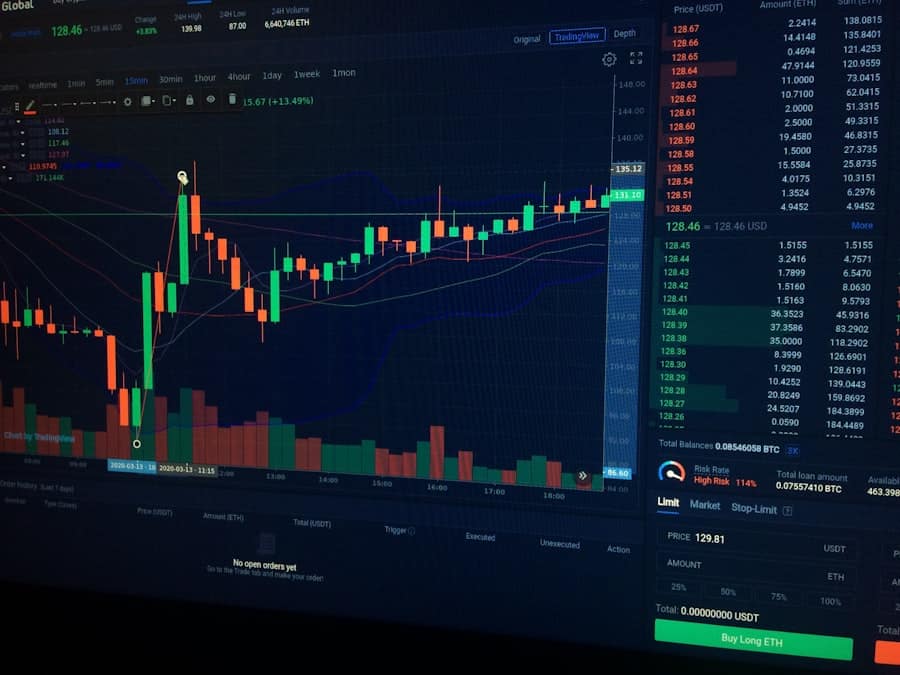
Regulatory changes can have profound effects on financial markets, influencing everything from trading practices to investor confidence. As an investor, staying informed about these changes is essential for navigating potential risks and opportunities. Governments and regulatory bodies often implement new rules in response to market conditions or economic crises, aiming to protect investors and ensure fair trading practices.
These regulations can range from stricter reporting requirements for publicly traded companies to new tax laws affecting capital gains. The impact of regulatory changes can be immediate and far-reaching. For example, when a government announces new regulations on cryptocurrency trading, it can lead to significant price volatility as investors react to the news.
You may find that certain sectors become more attractive or less so based on these changes. Therefore, it’s crucial to not only monitor regulatory developments but also to understand their potential implications for your investment strategy. By doing so, you can position yourself advantageously in a constantly evolving market landscape.
Technological Developments
Technological advancements are reshaping financial markets at an unprecedented pace. From algorithmic trading systems to blockchain technology, innovations are transforming how you invest and trade. These developments not only enhance efficiency but also introduce new opportunities for profit.
For instance, the rise of robo-advisors has made investing more accessible for individuals who may not have had the resources or knowledge to manage their portfolios effectively. As you explore these technologies, consider how they can streamline your investment process and improve your decision-making. Moreover, technological developments also come with their own set of challenges.
Cybersecurity threats are increasingly prevalent in today’s digital landscape, posing risks to both individual investors and institutions alike. As you embrace new technologies in your investment strategy, it’s essential to remain vigilant about security measures and best practices. By understanding both the benefits and risks associated with technological advancements, you can leverage these tools while safeguarding your investments against potential pitfalls.
Security Concerns
Security concerns are paramount in today’s interconnected financial landscape. As an investor, you must be acutely aware of the risks associated with your investments, particularly in an era where cyber threats are becoming more sophisticated. Data breaches and hacking incidents can lead to significant financial losses and erode trust in financial institutions.
Therefore, it’s essential to prioritize security measures when managing your investments. This includes using strong passwords, enabling two-factor authentication, and regularly monitoring your accounts for any suspicious activity. Additionally, security concerns extend beyond individual accounts; they also encompass the broader market environment.
Regulatory bodies are increasingly focused on ensuring that financial institutions adhere to stringent security protocols to protect investors’ assets. As you navigate this landscape, consider how security measures implemented by companies can impact your investment choices. Companies with robust security practices may be more appealing investments compared to those with a history of breaches or lax security protocols.
Market Manipulation
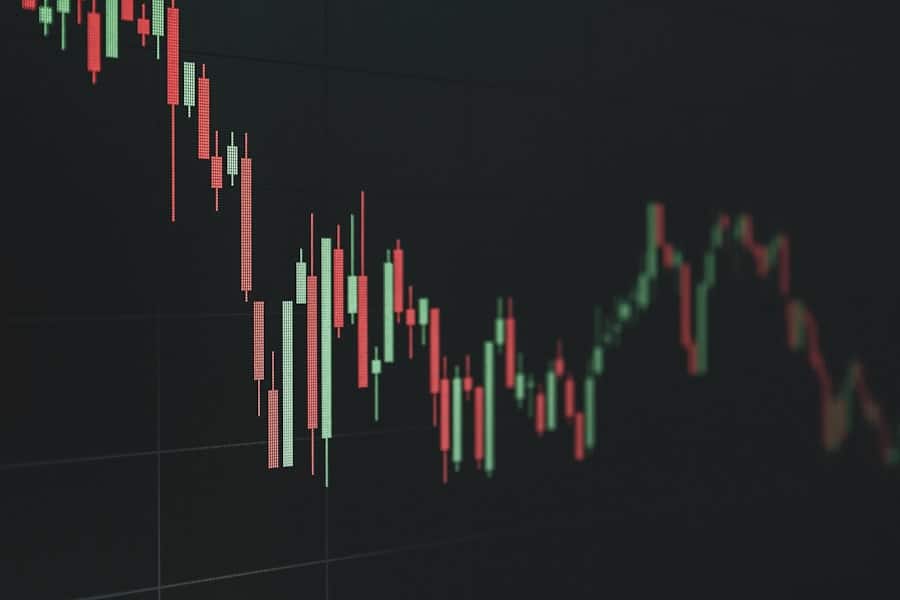
Common Forms of Market Manipulation
Common forms of manipulation include pump-and-dump schemes, where a group inflates the price of an asset through misleading information before selling off their holdings at a profit, leaving other investors with losses.
Recognizing the Signs of Market Manipulation
Recognizing the signs of market manipulation is essential for protecting your investments. You should be cautious of sudden price spikes accompanied by unusual trading volumes or social media hype that seems too good to be true.
Protecting Your Portfolio
By staying informed about potential manipulation tactics and maintaining a disciplined investment strategy based on sound analysis rather than hype, you can better safeguard your portfolio against these deceptive practices.
Economic and Geopolitical Events
Economic and geopolitical events have far-reaching implications for financial markets, influencing everything from currency values to stock prices. As an investor, staying attuned to global developments is vital for making informed decisions about your portfolio. Economic indicators such as unemployment rates, inflation data, and GDP growth can provide valuable insights into market trends and potential investment opportunities.
Similarly, geopolitical events like trade negotiations or conflicts can create volatility that presents both risks and rewards. For instance, a sudden change in trade policy between two major economies could lead to fluctuations in commodity prices that impact various sectors. By keeping an eye on these events and understanding their potential ramifications, you can position yourself strategically within the market.
Whether it’s adjusting your asset allocation or identifying sectors poised for growth amid changing conditions, being proactive in response to economic and geopolitical developments can enhance your investment outcomes.
Adoption and Integration by Mainstream Institutions
The adoption and integration of new financial technologies by mainstream institutions signal a significant shift in the investment landscape. As traditional banks and financial firms embrace innovations such as blockchain technology and digital currencies, it opens up new avenues for investors like you. This integration not only enhances accessibility but also fosters greater trust in emerging technologies as they become more widely accepted within established financial systems.
Moreover, mainstream adoption often leads to increased liquidity and stability in previously volatile markets. When reputable institutions begin offering services related to cryptocurrencies or other alternative assets, it can bolster investor confidence and attract a broader audience. As you consider your investment strategy, pay attention to how these developments may influence market dynamics and create new opportunities for growth within your portfolio.
In conclusion, navigating the complexities of financial markets requires a multifaceted understanding of various factors influencing demand and supply dynamics, speculation and investor sentiment, regulatory changes, technological advancements, security concerns, market manipulation tactics, economic events, and institutional adoption. By staying informed about these elements and adapting your strategies accordingly, you can position yourself for success in an ever-evolving investment landscape.
FAQs
What factors contribute to the dramatic changes in digital currency prices?
Digital currency prices can change dramatically due to factors such as market demand and supply, regulatory developments, technological advancements, macroeconomic trends, and investor sentiment.
How does market demand and supply affect digital currency prices?
Market demand and supply play a significant role in determining digital currency prices. When demand for a particular digital currency increases, its price tends to rise, and vice versa. Similarly, an increase in the supply of a digital currency can lead to a decrease in its price.
What impact do regulatory developments have on digital currency prices?
Regulatory developments, such as government regulations and policies related to digital currencies, can significantly impact their prices. Positive regulatory news can lead to price increases, while negative regulatory developments can cause prices to drop.
How do technological advancements influence digital currency prices?
Technological advancements, such as improvements in blockchain technology or the development of new digital currency platforms, can affect digital currency prices. Positive technological developments can lead to price increases as they enhance the utility and adoption of digital currencies.
What role do macroeconomic trends play in the volatility of digital currency prices?
Macroeconomic trends, such as inflation, interest rates, and geopolitical events, can impact digital currency prices. Economic instability or uncertainty can lead to increased volatility in digital currency markets.
How does investor sentiment contribute to the fluctuation of digital currency prices?
Investor sentiment, including market speculation and perceptions of risk, can influence digital currency prices. Positive sentiment can drive prices higher, while negative sentiment can lead to price declines.