To embark on your journey into the world of cryptocurrency, it is essential to grasp the fundamental concepts that underpin this digital financial landscape. At its core, cryptocurrency is a form of digital or virtual currency that employs cryptography for security. Unlike traditional currencies issued by governments, cryptocurrencies operate on decentralized networks based on blockchain technology.
This means that transactions are recorded on a public ledger, ensuring transparency and security while eliminating the need for intermediaries like banks. As you delve deeper into the realm of cryptocurrency, you will encounter various types, each with its unique features and purposes. Bitcoin, the first and most well-known cryptocurrency, paved the way for thousands of alternatives, often referred to as altcoins.
These can range from Ethereum, which enables smart contracts and decentralized applications, to stablecoins designed to maintain a stable value against fiat currencies. Understanding these distinctions will empower you to make informed decisions as you navigate this dynamic market.
Key Takeaways
- Cryptocurrency is a digital or virtual form of currency that uses cryptography for security and operates independently of a central bank.
- When choosing the right cryptocurrency to invest in, consider factors such as market demand, technology, team behind the project, and potential for growth.
- Setting up a secure wallet for your cryptocurrency investments is crucial to protect your assets from theft or hacking.
- Researching and analyzing market trends can help you make informed decisions and maximize your investment returns.
- Diversifying your cryptocurrency portfolio can help spread risk and increase the potential for higher returns.
Choosing the Right Cryptocurrency to Invest In
When it comes to selecting the right cryptocurrency for your investment portfolio, thorough research is paramount. With thousands of options available, it can be overwhelming to determine which ones hold the most potential for growth. Start by considering the fundamentals of each cryptocurrency, including its use case, technology, and the team behind it.
A project with a strong foundation and a clear vision is more likely to succeed in the long run. Additionally, pay attention to market capitalization and trading volume. A cryptocurrency with a high market cap may indicate stability and widespread adoption, while those with lower caps could present higher risk but also greater potential rewards.
As you evaluate different cryptocurrencies, consider your risk tolerance and investment goals. Are you looking for long-term growth or short-term gains? Your answers will guide your choices and help you build a portfolio that aligns with your financial aspirations.
Setting Up a Secure Wallet for Your Investments

Once you’ve identified the cryptocurrencies you wish to invest in, the next step is to set up a secure wallet to store your digital assets. Wallets come in various forms, including hardware wallets, software wallets, and online wallets. Hardware wallets are often considered the safest option, as they store your private keys offline, making them less vulnerable to hacking attempts.
If you prioritize security, investing in a reputable hardware wallet could be a wise decision. On the other hand, software wallets offer convenience and ease of access for frequent transactions. These can be installed on your computer or mobile device and provide a user-friendly interface for managing your assets.
However, it’s crucial to choose a wallet with robust security features and a good reputation within the community. Regardless of the type of wallet you choose, always enable two-factor authentication and keep your recovery phrases secure to protect your investments from potential threats.
Researching and Analyzing Market Trends
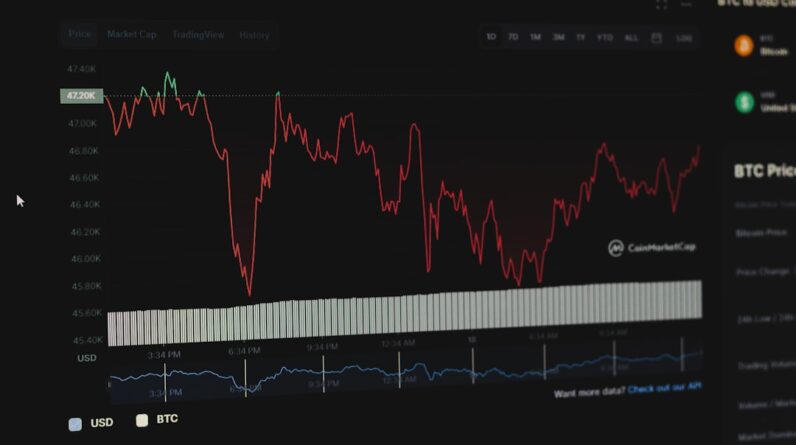
To make informed investment decisions in the cryptocurrency market, you must stay attuned to market trends and developments. This involves not only monitoring price movements but also understanding the factors that influence these fluctuations. Economic indicators, regulatory changes, technological advancements, and market sentiment all play significant roles in shaping the cryptocurrency landscape.
Utilizing various tools and resources can enhance your research efforts. Websites that aggregate market data provide valuable insights into price charts, trading volumes, and historical performance. Additionally, following industry news through reputable sources can keep you informed about upcoming events that may impact prices.
Engaging with online communities and forums can also offer diverse perspectives and help you gauge market sentiment among fellow investors.
Diversifying Your Cryptocurrency Portfolio
As with any investment strategy, diversification is key to managing risk in your cryptocurrency portfolio. By spreading your investments across multiple cryptocurrencies rather than concentrating on a single asset, you can mitigate potential losses if one particular asset underperforms. Consider allocating your funds among established cryptocurrencies like Bitcoin and Ethereum while also exploring promising altcoins that align with your research findings.
When diversifying, it’s essential to strike a balance between risk and reward. While investing in high-potential altcoins may yield significant returns, they often come with increased volatility. Conversely, established cryptocurrencies may offer more stability but could have slower growth rates.
By carefully curating a mix of assets that reflect your risk tolerance and investment goals, you can create a well-rounded portfolio that stands resilient against market fluctuations.
Implementing Risk Management Strategies

In the volatile world of cryptocurrency trading, implementing effective risk management strategies is crucial for protecting your investments. One fundamental approach is setting stop-loss orders, which automatically sell your assets if they fall below a predetermined price point. This can help limit potential losses during sudden market downturns and provide peace of mind as you navigate price fluctuations.
Another essential aspect of risk management is determining how much capital you are willing to invest in each trade or asset. A common guideline is to avoid investing more than 1-2% of your total portfolio in any single trade. This way, even if one investment performs poorly, it won’t significantly impact your overall portfolio.
Additionally, regularly reviewing and adjusting your investment strategy based on market conditions will help you stay agile and responsive to changes in the cryptocurrency landscape.
Staying Informed and Updated on Industry News
The cryptocurrency market is constantly evolving, making it imperative for you to stay informed about industry news and developments. Following reputable news outlets dedicated to cryptocurrency can provide valuable insights into regulatory changes, technological advancements, and market trends that may impact your investments. Subscribing to newsletters or joining online communities can also keep you updated on the latest happenings in the crypto space.
Moreover, attending conferences or webinars can offer opportunities to learn from industry experts and network with fellow investors. Engaging with thought leaders in the field can deepen your understanding of emerging trends and innovative projects that may shape the future of cryptocurrency. By remaining proactive in seeking out information, you position yourself to make informed decisions that align with the ever-changing landscape of digital assets.
Seeking Professional Advice and Guidance
While self-education is vital in navigating the cryptocurrency market, seeking professional advice can provide additional insights and guidance tailored to your specific financial situation. Financial advisors with expertise in cryptocurrencies can help you develop a personalized investment strategy that aligns with your goals and risk tolerance. They can also assist in navigating complex tax implications associated with cryptocurrency investments.
When choosing a financial advisor, look for someone who understands both traditional finance and the unique aspects of cryptocurrency investing. A knowledgeable advisor can help you identify opportunities while also ensuring that you are aware of potential risks. By combining professional guidance with your own research efforts, you can enhance your investment strategy and work towards achieving your financial objectives in the exciting world of cryptocurrency.
In conclusion, entering the world of cryptocurrency requires a solid understanding of its fundamentals, careful selection of assets, secure storage solutions, diligent research on market trends, diversification strategies, effective risk management practices, continuous education on industry news, and potentially seeking professional advice. By following these steps diligently, you can navigate this dynamic landscape with confidence and work towards building a successful cryptocurrency investment portfolio that aligns with your financial goals.
FAQs
What is cryptocurrency?
Cryptocurrency is a digital or virtual form of currency that uses cryptography for security and operates independently of a central bank. It is decentralized and typically uses a technology called blockchain to achieve transparency and immutability.
What is crypto investing?
Crypto investing involves buying, holding, and trading cryptocurrencies with the expectation of making a profit. It can be done through various platforms and exchanges that offer access to a wide range of cryptocurrencies.
Is crypto investing risky?
Yes, crypto investing is considered risky due to the high volatility of the cryptocurrency market. Prices can fluctuate significantly in a short period of time, leading to potential gains or losses for investors.
How can beginners start investing in cryptocurrency?
Beginners can start investing in cryptocurrency by first educating themselves about the market and different cryptocurrencies. They can then open an account with a reputable cryptocurrency exchange, conduct thorough research, and start with a small investment.
What are some tips for smart crypto investing for beginners?
Some tips for smart crypto investing for beginners include conducting thorough research, diversifying their investment portfolio, staying updated on market trends, and only investing what they can afford to lose. It’s also important to consider the long-term potential of a cryptocurrency rather than focusing solely on short-term gains.