To navigate the cryptocurrency market effectively, you must first grasp its fundamental principles. The cryptocurrency landscape is characterized by its decentralized nature, which means that it operates independently of traditional financial institutions. This decentralization is made possible through blockchain technology, a distributed ledger that records all transactions across a network of computers.
As you delve into this market, you will encounter various cryptocurrencies, each with unique features and purposes. Bitcoin, the first and most well-known cryptocurrency, serves as a digital gold, while others like Ethereum enable smart contracts and decentralized applications. Understanding market dynamics is crucial for making informed decisions.
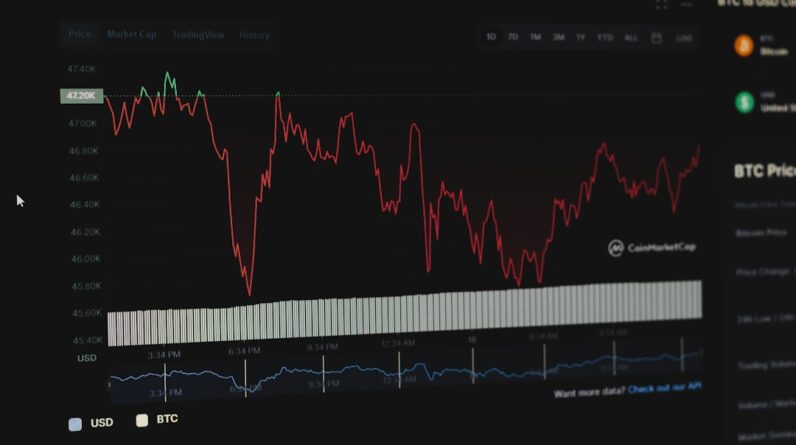
The cryptocurrency market is notoriously volatile, with prices fluctuating dramatically within short periods. Factors such as market sentiment, technological advancements, regulatory news, and macroeconomic trends can all influence price movements. As you familiarize yourself with these elements, you will develop a better sense of when to enter or exit positions.
Additionally, keeping an eye on trading volumes and market capitalization can provide insights into the overall health and stability of specific cryptocurrencies.
Key Takeaways
- The cryptocurrency market is highly volatile and requires a deep understanding of market dynamics and trends.
- Researching different cryptocurrencies is essential to identify potential investment opportunities and understand their unique features.
- Evaluating the technology and use case of a cryptocurrency is crucial to assess its long-term potential and viability.
- Analyzing market trends and price history helps in making informed decisions and predicting future price movements.
- Assessing the team and development community behind a cryptocurrency is important to gauge the project’s credibility and potential for success.
- Considering regulatory and legal factors is necessary to ensure compliance and mitigate risks associated with the cryptocurrency market.
- Diversifying your cryptocurrency portfolio helps in spreading risk and maximizing potential returns.
- Seeking professional advice and staying informed about market developments is key to making sound investment decisions in the cryptocurrency space.
Researching Different Cryptocurrencies
When exploring the vast array of cryptocurrencies available today, thorough research is essential. You should start by identifying the top cryptocurrencies by market capitalization, as these often have more established networks and greater liquidity. Bitcoin and Ethereum are typically at the forefront, but many other altcoins may offer unique opportunities.
Each cryptocurrency has its own whitepaper, which outlines its purpose, technology, and roadmap. Reading these documents will give you a clearer understanding of what each project aims to achieve and how it plans to do so. In addition to whitepapers, you should also explore community forums and social media platforms where enthusiasts discuss various cryptocurrencies.
Engaging with these communities can provide valuable insights into public sentiment and emerging trends. You might find that certain projects have passionate supporters who can offer firsthand experiences and opinions. However, be cautious of hype; not every project that garners attention will deliver on its promises.
Balancing your research with critical thinking will help you separate the wheat from the chaff.
Evaluating the Technology and Use Case

Once you’ve identified potential cryptocurrencies to invest in, it’s time to evaluate their underlying technology and use cases. Each cryptocurrency is built on a specific technology stack that determines its functionality and scalability. For instance, Bitcoin relies on a proof-of-work consensus mechanism, while newer projects may utilize proof-of-stake or other innovative approaches.
Understanding these technical aspects will help you assess the long-term viability of a cryptocurrency. Moreover, consider the real-world applications of each cryptocurrency. Does it solve a specific problem or improve upon existing solutions?
For example, some cryptocurrencies focus on enhancing privacy in transactions, while others aim to streamline supply chain management or facilitate cross-border payments. By analyzing the use case of each cryptocurrency, you can gauge its potential for adoption and growth in the future. A strong use case often correlates with increased demand and value appreciation over time.
Analyzing Market Trends and Price History
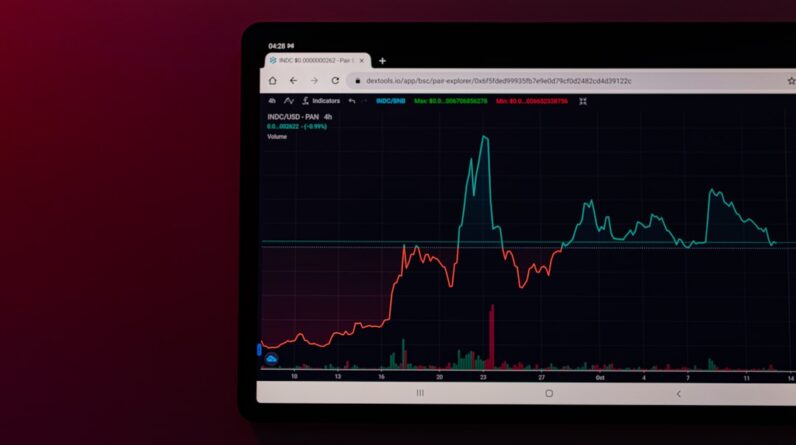
To make informed investment decisions in the cryptocurrency market, you must analyze historical price data and market trends. By examining price charts over different time frames—daily, weekly, or monthly—you can identify patterns that may indicate future price movements. Look for support and resistance levels, which can help you determine optimal entry and exit points for your trades.
In addition to technical analysis, consider broader market trends that may impact cryptocurrency prices. For instance, during periods of economic uncertainty or inflation, investors may flock to cryptocurrencies as a hedge against traditional financial systems. Conversely, regulatory crackdowns or negative news can lead to sharp declines in prices.
Staying attuned to these trends will enable you to make more strategic decisions based on both technical indicators and external factors.
Assessing the Team and Development Community
The success of a cryptocurrency project often hinges on the strength of its development team and community support. When evaluating a cryptocurrency, take the time to research the backgrounds of its founders and key team members. Look for individuals with relevant experience in technology, finance, or blockchain development.
A strong team with a proven track record can instill confidence in the project’s potential for success. Additionally, consider the size and engagement level of the development community surrounding a cryptocurrency. Active communities often contribute to ongoing improvements and innovations within the project.
Platforms like GitHub can provide insights into development activity, such as code updates and feature releases. A vibrant community not only fosters collaboration but also helps maintain transparency and accountability within the project.
Considering Regulatory and Legal Factors
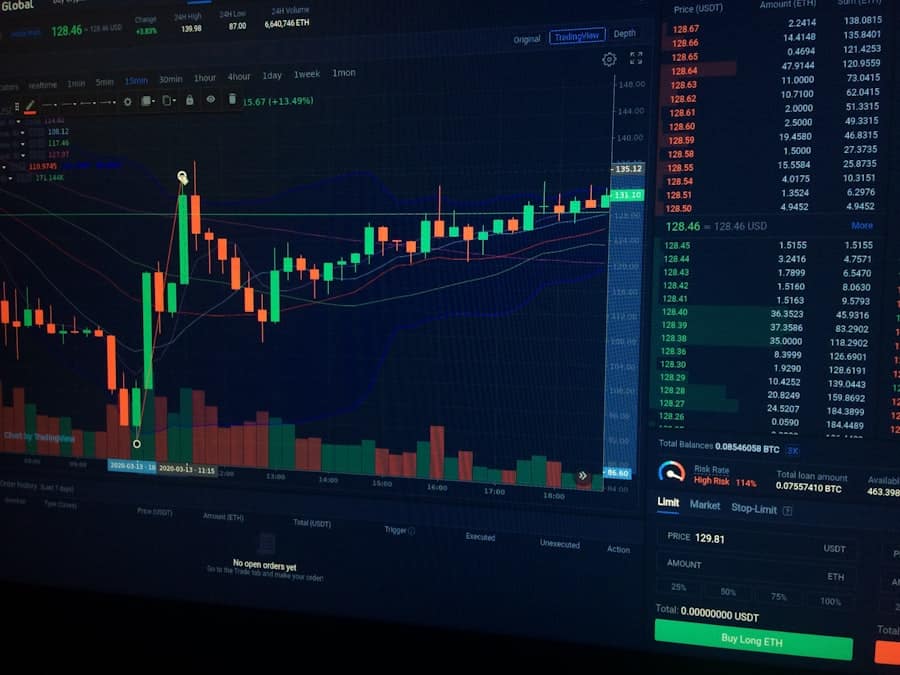
As you navigate the cryptocurrency landscape, it’s crucial to stay informed about regulatory developments that may impact your investments. Different countries have varying approaches to cryptocurrency regulation, ranging from outright bans to supportive frameworks that encourage innovation. Understanding these regulations will help you assess potential risks associated with specific cryptocurrencies.
Moreover, be aware of legal considerations related to taxation and compliance in your jurisdiction. Many countries require individuals to report their cryptocurrency holdings and transactions for tax purposes. Failing to comply with these regulations can lead to significant penalties.
By staying informed about legal factors affecting cryptocurrencies, you can make more prudent investment decisions while minimizing potential legal complications.
Diversifying Your Cryptocurrency Portfolio
Diversification is a key strategy for managing risk in any investment portfolio, including cryptocurrencies. Instead of putting all your funds into a single cryptocurrency, consider spreading your investments across multiple assets. This approach can help mitigate losses if one particular asset underperforms while allowing you to capitalize on potential gains from others.
When diversifying your portfolio, think about including a mix of established cryptocurrencies like Bitcoin and Ethereum alongside promising altcoins with strong use cases. Additionally, consider allocating a portion of your portfolio to stablecoins, which are pegged to traditional currencies and can provide stability during volatile market conditions. By carefully selecting a diverse range of assets, you can create a more balanced portfolio that aligns with your risk tolerance and investment goals.
Seeking Professional Advice and Staying Informed
Finally, as you navigate the complexities of the cryptocurrency market, seeking professional advice can be invaluable. Financial advisors with expertise in cryptocurrencies can provide personalized guidance tailored to your unique circumstances. They can help you develop a comprehensive investment strategy that considers your risk tolerance, financial goals, and time horizon.
In addition to professional advice, staying informed about industry developments is essential for making sound investment decisions. Follow reputable news sources, subscribe to newsletters, and engage with thought leaders in the cryptocurrency space through social media platforms or podcasts. By continuously educating yourself about market trends and emerging technologies, you will be better equipped to adapt your investment strategy as needed.
In conclusion, understanding the cryptocurrency market requires a multifaceted approach that encompasses research, analysis, and ongoing education. By following these guidelines—researching different cryptocurrencies, evaluating technology and use cases, analyzing market trends, assessing teams and communities, considering regulatory factors, diversifying your portfolio, seeking professional advice—you can position yourself for success in this dynamic and rapidly evolving landscape. Remember that patience and diligence are key; the cryptocurrency market offers both opportunities and challenges that require careful navigation.
FAQs
What is cryptocurrency investment?
Cryptocurrency investment refers to the act of purchasing and holding digital currencies with the expectation of making a profit from their price appreciation.
What factors should be considered when picking the right cryptocurrency to invest in?
When picking the right cryptocurrency to invest in, factors such as the technology behind the cryptocurrency, its use case, market demand, team behind the project, and market trends should be considered.
What are some popular cryptocurrencies to consider for investment?
Some popular cryptocurrencies to consider for investment include Bitcoin, Ethereum, Ripple, Litecoin, and Cardano.
What are the risks associated with cryptocurrency investment?
Risks associated with cryptocurrency investment include price volatility, regulatory uncertainty, security risks, and market manipulation.
How can one mitigate the risks associated with cryptocurrency investment?
One can mitigate the risks associated with cryptocurrency investment by conducting thorough research, diversifying their investment portfolio, and staying updated on market trends and regulatory developments.
What are some resources for learning more about cryptocurrency investment?
Resources for learning more about cryptocurrency investment include online courses, books, reputable cryptocurrency websites, and financial news outlets. It is important to verify the credibility of the sources before relying on them for investment decisions.