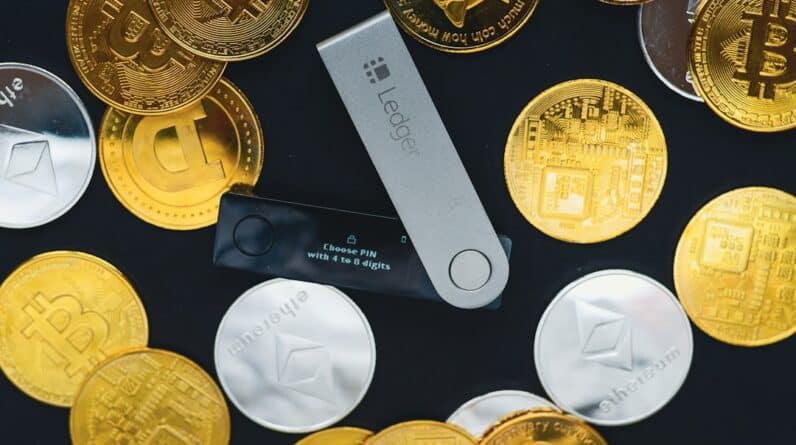
In recent years, the concept of digital currency has surged into the mainstream consciousness, captivating the attention of investors, technologists, and everyday consumers alike. You may have heard terms like Bitcoin, Ethereum, or even stablecoins tossed around in conversations, but what exactly is digital currency? At its core, digital currency refers to any form of money that exists in a digital format.
Unlike traditional currencies issued by governments, such as the dollar or euro, digital currencies operate on decentralized networks and are often built on innovative technologies like blockchain. This shift from physical to digital has not only transformed how we think about money but has also opened up new avenues for financial transactions and economic interactions. As you delve deeper into the world of digital currency, you will discover that it encompasses a wide range of assets and technologies.
From cryptocurrencies that operate independently of central banks to central bank digital currencies (CBDCs) that are government-backed, the landscape is diverse and rapidly evolving. The allure of digital currency lies in its potential to revolutionize financial systems, offering benefits such as lower transaction costs, faster cross-border payments, and increased financial inclusion for unbanked populations. As you explore this fascinating realm, you will encounter various challenges and opportunities that come with the adoption of digital currencies, making it a topic worth understanding in today’s digital age.
Key Takeaways
- Digital currency is a form of currency that is available only in digital or electronic form.
- Blockchain technology is the underlying technology that powers digital currencies, providing a secure and transparent way to record transactions.
- Decentralization refers to the lack of a central authority or governing body controlling digital currencies, making them resistant to censorship and manipulation.
- Cryptography is used to secure and verify transactions on the blockchain, ensuring that digital currencies are safe and reliable.
- Immutability, transparency, and global accessibility are key features of digital currencies, providing a secure and accessible way to transfer value across the world.
Blockchain Technology
At the heart of most digital currencies lies blockchain technology, a groundbreaking innovation that has redefined how transactions are recorded and verified. You might think of blockchain as a digital ledger that is distributed across a network of computers. Each transaction is grouped into blocks, which are then linked together in chronological order to form a chain.
This decentralized approach eliminates the need for a central authority, allowing for peer-to-peer transactions that are both secure and transparent. As you learn more about blockchain, you will appreciate its role in ensuring the integrity of digital currencies. One of the most compelling aspects of blockchain technology is its ability to provide a tamper-proof record of transactions.
Once a block is added to the chain, altering its contents becomes nearly impossible without the consensus of the network participants. This feature not only enhances security but also fosters trust among users. As you navigate through various blockchain applications beyond cryptocurrencies—such as supply chain management, healthcare records, and voting systems—you will see how this technology can be leveraged to create more efficient and reliable processes across different sectors.
Decentralization

Decentralization is a fundamental principle that underpins the concept of digital currency. Unlike traditional financial systems that rely on centralized institutions like banks or governments to manage transactions and maintain records, decentralized systems distribute control among all participants in the network. This shift empowers individuals by giving them greater autonomy over their financial assets.
As you explore this aspect of digital currency, you may find yourself reflecting on the implications of decentralization for personal finance and economic systems as a whole. The benefits of decentralization extend beyond individual empowerment; they also promote resilience within financial networks. In a decentralized system, there is no single point of failure, making it more difficult for malicious actors to compromise the entire network.
This characteristic can lead to increased stability and security for users. However, decentralization also presents challenges, such as regulatory concerns and the potential for market volatility. As you consider these factors, you will gain a deeper understanding of how decentralization shapes the future of finance and the role it plays in fostering innovation.
Cryptography
Cryptography is another essential component of digital currency that ensures secure transactions and protects user data. At its core, cryptography involves techniques for encoding information so that only authorized parties can access it. In the context of digital currencies, cryptographic algorithms are used to secure transactions, verify user identities, and maintain the integrity of the blockchain.
As you delve into this technical aspect, you will come to appreciate how cryptography underpins the trustworthiness of digital currencies. One of the most widely recognized cryptographic techniques used in digital currencies is public-key cryptography. This method allows users to generate a pair of keys: a public key that can be shared with others and a private key that must be kept secret.
When you initiate a transaction using your private key, it is encrypted and can only be decrypted by someone with access to your public key. This process not only secures your funds but also ensures that transactions cannot be easily forged or altered. As you explore further into cryptography’s role in digital currency, you will see how it serves as a cornerstone for building secure and trustworthy financial systems.
Immutability
Immutability is one of the most significant features of blockchain technology that enhances the reliability of digital currencies. Once a transaction is recorded on the blockchain, it becomes virtually impossible to alter or delete it without consensus from the network participants. This characteristic provides a level of assurance that is often lacking in traditional financial systems where records can be manipulated or lost.
As you consider this aspect of immutability, you may find yourself reflecting on how it can transform trust in financial transactions. The implications of immutability extend beyond just securing transactions; they also foster accountability among users. In a world where fraud and corruption can undermine trust in financial systems, the ability to verify transaction history can serve as a powerful deterrent against dishonest behavior.
As you explore real-world applications of immutability—such as in supply chain tracking or identity verification—you will see how this feature can enhance transparency and accountability across various industries.
Transparency

Transparency is another critical advantage offered by digital currencies and blockchain technology. In traditional financial systems, transactions are often opaque, with limited visibility into how funds are transferred or managed. However, blockchain’s decentralized nature allows all participants in the network to view transaction histories in real-time.
This level of transparency not only builds trust among users but also enables greater scrutiny and accountability within financial systems. As you engage with this concept, you may find yourself considering how transparency can reshape your own interactions with money. Moreover, transparency can play a vital role in combating fraud and corruption.
By providing an open ledger where all transactions are recorded and accessible to anyone with an internet connection, blockchain technology makes it significantly more challenging for bad actors to manipulate data without detection. As you explore various use cases—such as charitable donations or government spending—you will see how transparency can lead to more responsible financial practices and foster greater public trust in institutions.
Global Accessibility
One of the most exciting aspects of digital currency is its potential for global accessibility. Traditional banking systems often exclude large segments of the population due to geographical barriers or lack of identification documents. However, digital currencies can be accessed by anyone with an internet connection, regardless of their location or socioeconomic status.
As you consider this transformative potential, you may find yourself reflecting on how digital currencies could empower individuals in underserved communities around the world. The ability to transact globally without intermediaries opens up new opportunities for economic participation and financial inclusion. For instance, individuals in developing countries can send remittances back home at lower costs compared to traditional money transfer services.
Additionally, entrepreneurs can access funding through decentralized finance (DeFi) platforms without relying on traditional banks. As you explore these possibilities further, you will gain insight into how digital currencies can bridge gaps in financial access and create new pathways for economic growth.
Security and Trust
Security and trust are paramount when it comes to adopting any form of currency—digital or otherwise. In the realm of digital currencies, security is achieved through a combination of cryptographic techniques and decentralized architecture that protects against fraud and hacking attempts. As you navigate this landscape, you will come to understand how these security measures contribute to building trust among users who may be wary of adopting new technologies.
Trust is further reinforced by the community-driven nature of many digital currencies. Unlike traditional financial institutions that operate behind closed doors, many blockchain projects encourage open-source development and community participation. This transparency allows users to scrutinize code changes and participate in governance decisions, fostering a sense of ownership and accountability within the ecosystem.
As you reflect on these dynamics, you will see how security and trust are intertwined in shaping user experiences and driving broader adoption of digital currencies. In conclusion, as you explore the multifaceted world of digital currency, you will uncover its potential to revolutionize financial systems through innovations like blockchain technology, decentralization, cryptography, immutability, transparency, global accessibility, and security. Each element plays a crucial role in shaping how we perceive money and conduct transactions in an increasingly digital world.
By understanding these concepts, you position yourself at the forefront of a financial revolution that promises to redefine our relationship with money for generations to come.
FAQs
What is digital currency?
Digital currency is a type of currency that is available only in digital or electronic form, and does not have a physical counterpart like paper money or coins. It is also known as cryptocurrency and can be used for online transactions and investments.
What makes digital currency permanent?
Digital currency is considered permanent due to the use of blockchain technology. Blockchain is a decentralized and distributed ledger that records all transactions across a network of computers. Once a transaction is recorded on the blockchain, it cannot be altered or deleted, making digital currency transactions permanent and immutable.
How does blockchain technology contribute to the permanence of digital currency?
Blockchain technology uses cryptographic techniques to secure and validate transactions. Each block in the blockchain contains a unique cryptographic hash of the previous block, creating a chain of blocks that are linked together. This makes it extremely difficult for any single entity to alter the transaction history, ensuring the permanence of digital currency.
Can digital currency transactions be reversed or canceled?
Once a digital currency transaction is confirmed and added to the blockchain, it cannot be reversed or canceled. This is due to the decentralized and immutable nature of blockchain technology, which prevents any single entity from altering the transaction history.
What are the benefits of permanent digital currency transactions?
The permanence of digital currency transactions provides increased security and trust for users, as it eliminates the risk of fraud and tampering. It also reduces the need for intermediaries in financial transactions, leading to lower costs and faster processing times. Additionally, permanent transactions enable greater transparency and accountability in the digital currency ecosystem.