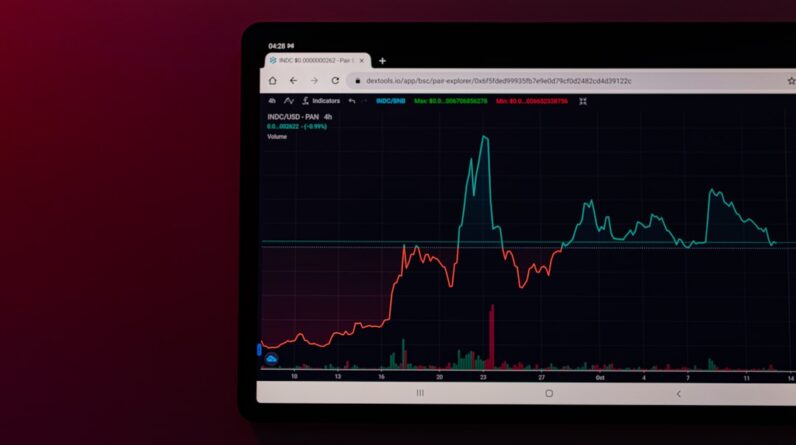
Cryptocurrency mining is a fundamental process that underpins the operation of many digital currencies. At its core, mining involves validating transactions and adding them to a blockchain, which is a decentralized ledger that records all transactions across a network. When you engage in mining, you are essentially competing with other miners to solve complex mathematical problems.
The first miner to solve the problem gets to add a new block of transactions to the blockchain and is rewarded with newly minted cryptocurrency. This process not only secures the network but also ensures that transactions are processed in a transparent and tamper-proof manner. To understand mining better, it’s essential to grasp the concept of proof of work, which is the consensus mechanism used by many cryptocurrencies, including Bitcoin.
In this system, miners must demonstrate that they have expended computational power to solve cryptographic puzzles. This requirement makes it difficult for any single entity to dominate the network, as it would require an enormous amount of computational resources. As you delve deeper into the world of cryptocurrency, you’ll find that mining is not just about earning rewards; it’s also about contributing to the integrity and security of the entire ecosystem.
Key Takeaways
- Cryptocurrency mining involves using computer hardware to solve complex mathematical problems in order to validate and record transactions on a blockchain.
- Miners play a crucial role in the cryptocurrency ecosystem by securing the network, validating transactions, and receiving rewards in the form of newly minted coins and transaction fees.
- The process of cryptocurrency mining requires specialized hardware, software, and access to a reliable power source, as well as a good understanding of the underlying technology.
- Cryptocurrency mining has been criticized for its significant energy consumption, with some estimating that it uses more electricity than some small countries.
- The economics of cryptocurrency mining are influenced by factors such as the cost of hardware, electricity, and the price of the cryptocurrency being mined.
The Role of Miners in the Cryptocurrency Ecosystem
Miners play a crucial role in maintaining the health and functionality of the cryptocurrency ecosystem. By validating transactions and securing the network, they ensure that users can trust the integrity of their digital assets. Without miners, the decentralized nature of cryptocurrencies would be compromised, leading to potential fraud and double-spending issues.
As a miner, you are not just a participant; you are a guardian of the network, helping to uphold its principles of transparency and decentralization. Moreover, miners contribute to the overall stability of cryptocurrency prices. When you mine and add new blocks to the blockchain, you help regulate the supply of coins entering circulation.
This controlled issuance is vital for maintaining value over time. Additionally, as more people become interested in cryptocurrencies, the demand for mining increases, which can lead to higher prices. Thus, your role as a miner extends beyond mere transaction validation; you are also influencing market dynamics and contributing to the broader economic landscape of digital currencies.
The Process of Cryptocurrency Mining

The process of cryptocurrency mining can be broken down into several key steps that highlight its complexity and technical nature. Initially, when a transaction occurs, it is broadcasted to the network and collected into a pool known as the mempool. As a miner, your first task is to select transactions from this pool to include in the next block you aim to mine.
You will prioritize transactions based on their fees, as higher fees can lead to greater rewards for your efforts. Once you have selected your transactions, you will then create a candidate block and begin the process of hashing. This involves using cryptographic algorithms to generate a unique hash for your block.
The goal is to find a hash that meets specific criteria set by the network’s difficulty level. This is where the computational power of your mining rig comes into play; you will need to perform countless calculations until you find a valid hash. Once you succeed, you broadcast your new block to the network, where other miners will verify its validity before it is added to the blockchain.
The Impact of Cryptocurrency Mining on Energy Consumption
One of the most significant concerns surrounding cryptocurrency mining is its impact on energy consumption. As you may know, mining requires substantial computational power, which translates into high electricity usage. This has led to widespread criticism regarding the environmental implications of mining operations, particularly for cryptocurrencies like Bitcoin that rely on proof-of-work mechanisms.
The energy consumption associated with mining has sparked debates about sustainability and the long-term viability of such practices. In response to these concerns, many miners are exploring ways to reduce their carbon footprint. Some are turning to renewable energy sources such as solar or wind power to fuel their operations.
By utilizing clean energy, you can not only lower your operational costs but also contribute positively to environmental sustainability. Additionally, advancements in mining technology are leading to more energy-efficient hardware that can perform calculations with less power consumption. As a miner, being aware of these developments can help you make informed decisions about your operations while also addressing environmental concerns.
The Economics of Cryptocurrency Mining
The economics of cryptocurrency mining is a multifaceted topic that encompasses various factors influencing profitability and sustainability. As a miner, your potential earnings depend on several variables, including the current price of the cryptocurrency you are mining, the difficulty level of mining, and your operational costs such as electricity and hardware expenses. Understanding these dynamics is crucial for making informed decisions about whether or not to engage in mining activities.
Market fluctuations can significantly impact your profitability. For instance, if the price of Bitcoin surges, your rewards from mining become more valuable; conversely, if prices plummet, your earnings may not cover your operational costs. Additionally, as more miners join the network, the difficulty level increases, making it harder for individual miners to earn rewards consistently.
Therefore, staying updated on market trends and adjusting your strategies accordingly is essential for maintaining profitability in this ever-evolving landscape.
The Legal and Regulatory Considerations of Cryptocurrency Mining
As cryptocurrency continues to gain traction globally, legal and regulatory considerations surrounding mining have become increasingly important. Different countries have adopted varying stances on cryptocurrency mining, ranging from outright bans to supportive regulations aimed at fostering innovation. As a miner, it’s crucial for you to be aware of the legal landscape in your jurisdiction to ensure compliance and avoid potential penalties.
In some regions, governments have imposed strict regulations on energy consumption related to mining activities due to environmental concerns. For example, certain areas may require miners to obtain permits or adhere to specific energy usage guidelines. Additionally, tax implications can vary significantly depending on local laws regarding cryptocurrency transactions and earnings from mining activities.
By staying informed about these regulations and adapting your operations accordingly, you can navigate the complexities of legal compliance while maximizing your potential for success in cryptocurrency mining.
The Future of Cryptocurrency Mining
The future of cryptocurrency mining is poised for significant transformation as technological advancements and regulatory changes continue to shape the landscape. One notable trend is the increasing adoption of alternative consensus mechanisms such as proof-of-stake (PoS), which require far less energy than traditional proof-of-work systems. As more cryptocurrencies transition to PoS or similar models, traditional mining may become less prevalent, prompting miners like yourself to adapt or explore new opportunities within this evolving ecosystem.
Moreover, innovations in hardware technology are likely to enhance mining efficiency and reduce energy consumption further. As manufacturers develop more powerful and energy-efficient mining rigs, you may find it easier to maintain profitability while minimizing environmental impact. Additionally, collaborations between miners and renewable energy providers could pave the way for more sustainable practices within the industry.
Embracing these changes will be essential for staying relevant in an ever-evolving market.
Alternatives to Traditional Cryptocurrency Mining Methods
As concerns about energy consumption and environmental impact grow, many miners are exploring alternatives to traditional cryptocurrency mining methods. One such alternative is cloud mining, where individuals rent computational power from remote data centers instead of investing in expensive hardware themselves. This approach allows you to participate in mining without incurring high upfront costs or dealing with maintenance issues associated with physical equipment.
Another alternative gaining traction is staking in proof-of-stake networks. In this model, instead of competing against other miners through computational power, you can earn rewards by holding and “staking” your coins in a wallet that supports staking mechanisms. This method not only reduces energy consumption but also allows you to earn passive income without the need for extensive hardware setups or electricity costs.
In conclusion, cryptocurrency mining remains a dynamic and evolving field with numerous opportunities and challenges ahead. By understanding its fundamentals, roles within the ecosystem, processes involved, economic implications, legal considerations, future trends, and alternative methods, you can navigate this complex landscape effectively while making informed decisions about your involvement in cryptocurrency mining.
FAQs
What is cryptocurrency mining?
Cryptocurrency mining is the process of validating and adding transactions to a blockchain ledger. Miners use powerful computers to solve complex mathematical problems that verify and secure transactions on the blockchain.
How does cryptocurrency mining work?
Cryptocurrency mining involves using computer hardware to solve complex mathematical problems. When a miner successfully solves a problem, they are rewarded with a certain amount of cryptocurrency, such as Bitcoin, for their efforts.
Why is cryptocurrency mining necessary?
Cryptocurrency mining is necessary to validate and secure transactions on a blockchain network. It helps maintain the integrity of the decentralized system and ensures that transactions are legitimate and cannot be tampered with.
What equipment is needed for cryptocurrency mining?
To mine cryptocurrency, miners typically need specialized computer hardware, such as ASIC (Application-Specific Integrated Circuit) miners for Bitcoin, and GPUs (Graphics Processing Units) for other cryptocurrencies like Ethereum.
Is cryptocurrency mining profitable?
The profitability of cryptocurrency mining depends on factors such as the cost of electricity, the price of the cryptocurrency being mined, and the efficiency of the mining hardware. It can be profitable for some miners, but it also involves significant upfront costs and ongoing expenses.
What are the environmental concerns related to cryptocurrency mining?
Cryptocurrency mining can consume a significant amount of electricity, leading to concerns about its environmental impact. Some mining operations rely on fossil fuels, contributing to carbon emissions. However, there are efforts to develop more sustainable mining practices, such as using renewable energy sources.