Are you curious about whether you can use Bitcoin to buy everyday goods and services? As digital currencies gain traction, many people wonder how practical it is to spend them in the real world. Let’s explore the exciting landscape of using Bitcoin for purchases, so you can determine if it’s a viable option for you.

Understanding Bitcoin
Bitcoin is often hailed as the first cryptocurrency, created in 2009 by an anonymous person or group known as Satoshi Nakamoto. Unlike traditional currencies, Bitcoin operates on a decentralized ledger called the blockchain, which makes it immune to governmental control and interference. This decentralized nature means transactions can be made directly between users without the need for intermediaries, such as banks.
Bitcoin is not just abstract numbers on your screen, but a tangible form of digital currency that can serve as a medium of exchange. Because of its unique properties, the question of whether you can spend Bitcoin for goods and services quickly arises.
Can You Buy Goods and Services with Bitcoin?
Yes, you can buy goods and services using Bitcoin! However, the acceptance of Bitcoin varies widely among retailers and service providers. While some are embracing this digital currency, many still hesitate. Let’s look at various ways you can spend Bitcoin and the factors at play.
Retailers Accepting Bitcoin
In recent years, an increasing number of retailers have started accepting Bitcoin as a payment method. Here’s a breakdown of different types of retailers that often accept Bitcoin:
| Retailer Type | Examples |
|---|---|
| Online Retailers | Overstock, Newegg |
| Brick-and-Mortar Stores | Whole Foods, Home Depot (via partnerships with payment processors) |
| Restaurants | Some local eateries and chains like Subway in select locations |
| Travel Services | Expedia, CheapAir |
These companies see Bitcoin as an innovative way to attract tech-savvy customers and lower transaction fees. Plus, using Bitcoin offers a layer of privacy that some customers find appealing.
Online Marketplaces
Online platforms facilitate transactions using Bitcoin through third-party processors. Websites like Shopify allow merchants to accept Bitcoin as payment. This has enabled thousands of small businesses to enter the world of cryptocurrency without needing extensive technical knowledge.
Benefits of Using Online Marketplaces:
- Ease of Use: Many platforms streamline the process, making it easy for both buyers and sellers.
- Diverse Offerings: You can find various products, from electronics to clothing, paid for with Bitcoin.
- Lower Fees: Typically, Bitcoin transaction fees are lower than those for credit card transactions.
Gift Cards and Crypto Debit Cards
If you’re finding it hard to directly spend Bitcoin due to limited acceptance, you’re not out of options! You can purchase gift cards with Bitcoin for major retailers. Websites like Bitrefill and Gyft provide the ability to buy gift cards for brands that don’t accept Bitcoin directly.
For instance:
| Gift Card Provider | Retailers Available |
|---|---|
| Bitrefill | Amazon, Google Play, iTunes |
| Gyft | Target, Walmart |
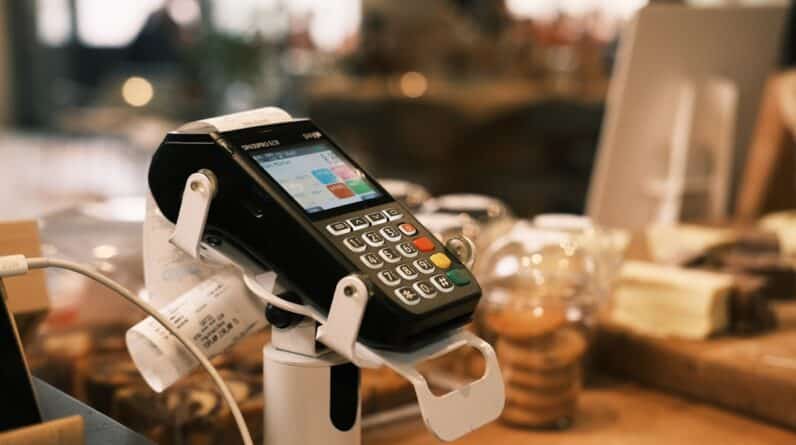
In addition to gift cards, several companies offer crypto debit cards, allowing you to load Bitcoin onto a card and use it anywhere traditional cards are accepted. The card provider converts your Bitcoin into local currency at the time of the purchase. It’s a handy solution for bridging the gap between cryptocurrency and everyday spending.
Using Bitcoin for Services
Besides consumer goods, Bitcoin is increasingly accepted for various services. Here are some examples:
- Web Hosting: Companies like Namecheap and Hostinger allow you to pay for web hosting using Bitcoin.
- Travel Services: As mentioned earlier, you can book flights and accommodations through platforms that accept Bitcoin.
- Freelance Services: Platforms like Fiverr and Upwork enable you to pay freelancers in Bitcoin.
By utilizing Bitcoin for these services, you can enjoy a wider range of options.
The Pros and Cons of Using Bitcoin for Transactions
Just like any other payment method, using Bitcoin comes with its advantages and drawbacks. Here’s a closer look at both sides of the coin to help you make informed decisions.
Pros
- Lower Transaction Fees: Bitcoin transactions often have lower fees compared to traditional credit card processing.
- Anonymity: Bitcoin transactions can provide a higher degree of anonymity, which some people appreciate for privacy.
- Global Transactions: Bitcoin allows you to send or receive payments across the globe easily, overcoming currency exchange issues.
- Potential for Growth: If Bitcoin’s value continues to rise, your spending power increases. A little Bitcoin may go a long way down the road.
Cons
- Volatility: The value of Bitcoin can fluctuate significantly within a short period. This volatility can make budgeting tricky.
- Limited Acceptance: Even with growth in acceptance, many businesses still don’t take Bitcoin.
- Technical Barriers: For those unfamiliar with blockchain technology, the setup and usage might feel daunting.
- Regulatory Concerns: As governments consider regulating cryptocurrencies, future acceptance and usability could change.
Security and Bitcoin Transactions
Security is a critical aspect when it comes to cryptocurrency transactions. Understanding how to protect your Bitcoin is just as important as knowing how to spend it.
Storing Bitcoin Safely
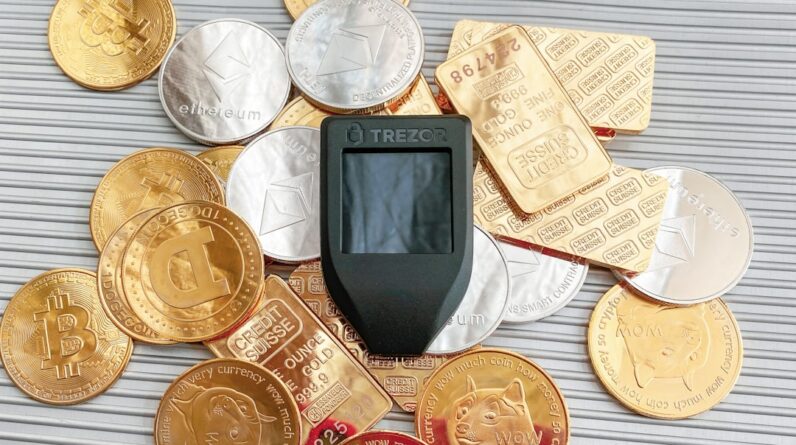
Wallets are essential for storing your Bitcoin. They come in various forms:
- Software Wallets: These are applications or programs that store your Bitcoin. While they offer convenience, they can be hacked if not adequately secured.
- Hardware Wallets: A more secure option, hardware wallets are physical devices that store your Bitcoin offline, making them less vulnerable to cyber-attacks.
- Paper Wallets: This method involves printing your Bitcoin address and private key on a piece of paper. While entirely offline, physical damage or loss can result in total loss of access to your Bitcoin.
Each method has its pros and cons, so it’s essential to choose one that aligns with your security preferences.
Transaction Security
When you’re ready to make a purchase using Bitcoin, ensure that the transaction is secure:
- Double-Check Addresses: Ensure you copy the right Bitcoin address from the seller to avoid costly mistakes.
- Use Reputable Vendors: Stick to established retailers and marketplaces to minimize risks of scams.
- Activate Two-Factor Authentication (2FA): If your wallet supports 2FA, enable it for an extra layer of security.

Challenges Facing Bitcoin as a Payment Method
Though acceptance is increasing, Bitcoin still faces significant challenges that make widespread adoption difficult.
Regulatory Uncertainty
Many countries are still figuring out how to regulate cryptocurrencies. This uncertainty can deter businesses and consumers from using Bitcoin regularly. If laws change or governments impose heavy regulations, it could impact how businesses accept and process Bitcoin transactions.
Price Volatility Hurdles
Due to Bitcoin’s price fluctuations, merchants can be hesitant to accept it. A purchase made today could be worth significantly less or more in a few days. This volatility can complicate cash flow management for businesses.
Consumer Awareness and Education
Many consumers remain unfamiliar with cryptocurrencies, leading to hesitation in using them for everyday purchases. To foster widespread acceptance, education and awareness of Bitcoin’s benefits and mechanics are crucial.
The Future Landscape: Will Bitcoin Become the Norm for Purchases?
Turning to the future, many enthusiasts believe Bitcoin could become a more accepted form of payment for goods and services. Several trends suggest we may be moving toward that reality:
Increased Merchant Acceptance
As larger retailers and service providers begin to accept Bitcoin, it could encourage smaller businesses to follow suit. As acceptance spreads, choosing to pay with Bitcoin may become more normalized.
Technological Advances
Innovations in technology could make Bitcoin transactions more user-friendly, which may help demystify cryptocurrencies for many consumers.
Institutional Adoption
With institutional investors and companies like Tesla making headlines with their cryptocurrency initiatives, confidence in cryptocurrencies could boost spending and acceptance.

Conclusion: Is Bitcoin Right for You?
Whether or not to use Bitcoin for goods and services ultimately depends on your circumstances and comfort level with cryptocurrencies. It’s essential to weigh the pros and cons, consider how you might use it to your advantage, and stay informed about changes in the landscape.
As the world of digital currencies continues evolving, new opportunities may arise. So, keep an eye out! Can Bitcoin become a regular part of your spending habits? Only time will tell, but it’s certainly worth considering as part of your financial journey.