In the rapidly evolving world of finance, crypto collateral has emerged as a significant concept, particularly in the realm of decentralized finance (DeFi). At its core, crypto collateral refers to the use of cryptocurrency assets as security for a loan. When you pledge your digital assets—such as Bitcoin, Ethereum, or other altcoins—you are essentially providing a guarantee to the lender that you will repay the borrowed amount.
If you fail to meet your repayment obligations, the lender has the right to seize your collateral to recover their losses. This mechanism allows you to access liquidity without having to sell your valuable crypto holdings. The appeal of using crypto as collateral lies in its ability to unlock capital while still allowing you to retain ownership of your assets.
Unlike traditional loans, where you might have to liquidate your investments to access cash, crypto collateral loans enable you to leverage your digital assets. This is particularly advantageous in a volatile market where you believe your crypto holdings will appreciate over time. By using your cryptocurrency as collateral, you can maintain your investment position while obtaining the funds you need for various purposes, such as personal expenses, business ventures, or even other investments.
Key Takeaways
- Crypto collateral is the use of cryptocurrency as security for a loan, allowing borrowers to access funds without selling their digital assets.
- To use crypto as collateral for a loan, borrowers can deposit their cryptocurrency with a lender, who then provides a loan in fiat currency or stablecoins based on the value of the collateral.
- Benefits of using crypto as collateral include access to liquidity without selling assets, potential tax advantages, and the ability to leverage crypto holdings for other investments.
- Risks of using crypto as collateral include the potential for margin calls, liquidation of collateral, and exposure to the volatility of the cryptocurrency market.
- Types of loans available using crypto as collateral include secured loans, lines of credit, and peer-to-peer lending options, each with their own terms and conditions.
- When choosing a lender for crypto collateral loans, borrowers should consider factors such as interest rates, loan-to-value ratios, reputation, and security measures.
- If a borrower can’t repay the loan, the lender may liquidate the collateral to recover the funds, potentially resulting in loss of the crypto assets.
- The future of crypto collateral loans is expected to see continued growth and innovation, with the potential for decentralized finance (DeFi) platforms to play a larger role in the market.
How to Use Crypto as Collateral for a Loan
Using crypto as collateral for a loan is a straightforward process, but it requires careful consideration and understanding of the steps involved. First, you need to select a lending platform that supports crypto collateral loans. Many platforms offer this service, ranging from established financial institutions to decentralized lending protocols.
Once you’ve chosen a lender, you’ll typically need to create an account and complete any necessary identity verification processes. This step is crucial for compliance with regulatory standards and helps ensure the security of your transaction. After setting up your account, you can proceed to deposit your cryptocurrency into a designated wallet provided by the lender.
The amount of collateral you need to provide will depend on the loan-to-value (LTV) ratio set by the lender. For instance, if the LTV ratio is 50%, and you want to borrow $1,000, you would need to deposit $2,000 worth of crypto as collateral. Once your collateral is locked in, you can receive the loan amount in fiat currency or stablecoins, depending on the platform’s offerings.
It’s essential to keep track of the value of your collateral throughout the loan term, as fluctuations in the crypto market can impact your position.
Benefits of Using Crypto as Collateral

One of the primary benefits of using crypto as collateral is the ability to access liquidity without selling your assets. In traditional finance, selling investments can lead to capital gains taxes and potential losses if the market is down. By leveraging your crypto holdings, you can obtain cash while still maintaining exposure to potential price increases in your assets.
This strategy allows you to capitalize on market opportunities without sacrificing your long-term investment strategy. Additionally, crypto collateral loans often come with lower interest rates compared to unsecured loans. Since the lender has a form of security in the collateral provided, they may be more willing to offer favorable terms.
This can make borrowing more affordable and accessible for individuals who may not qualify for traditional loans due to credit history or income verification challenges. Furthermore, many lending platforms operate 24/7, allowing you to access funds quickly and efficiently without the lengthy approval processes typical of traditional banks.
Risks of Using Crypto as Collateral
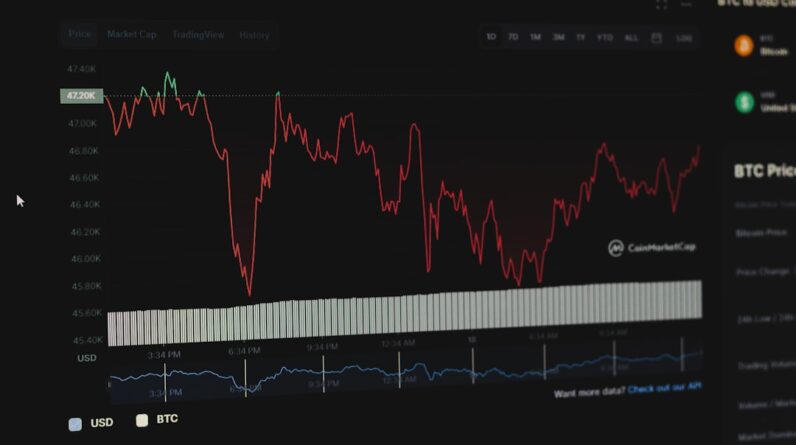
While there are numerous advantages to using crypto as collateral, it is essential to be aware of the associated risks. One significant risk is the volatility of cryptocurrency prices. The value of your collateral can fluctuate dramatically within short periods, which may lead to margin calls or liquidation if the value drops below a certain threshold.
If this occurs, you may be required to deposit additional collateral or risk losing your pledged assets entirely. This inherent volatility makes it crucial for you to monitor market conditions closely throughout the loan term. Another risk involves the security of the lending platform itself.
As with any financial transaction involving digital assets, there is always a potential for hacking or fraud. If the platform where you’ve deposited your collateral experiences a security breach, you could lose your assets without recourse. Therefore, it is vital to conduct thorough research on any lending platform you consider using, ensuring they have robust security measures in place and a good reputation within the crypto community.
Types of Loans Available Using Crypto as Collateral
When it comes to loans backed by crypto collateral, there are several types available that cater to different needs and preferences. One common type is a secured personal loan, where you can borrow funds for personal expenses such as home improvements or medical bills by leveraging your cryptocurrency holdings. These loans typically offer lower interest rates than unsecured personal loans due to the added security provided by your collateral.
Another popular option is margin loans, which are often used by traders looking to amplify their investment positions. By using crypto as collateral, you can borrow additional funds to invest in more assets or take advantage of short-term trading opportunities. This type of loan can be particularly appealing for experienced traders who understand the risks involved and are looking for ways to maximize their returns.
How to Choose the Right Lender for Crypto Collateral Loans

Selecting the right lender for your crypto collateral loan is crucial for ensuring a smooth borrowing experience. Start by researching various lending platforms and comparing their terms and conditions. Look for factors such as interest rates, loan-to-value ratios, and repayment terms that align with your financial goals.
Additionally, consider whether the platform offers flexibility in terms of repayment options and whether they allow early repayment without penalties. Security should also be a top priority when choosing a lender. Investigate the platform’s security measures, such as two-factor authentication (2FA), cold storage for assets, and insurance policies against hacks or breaches.
Reading user reviews and testimonials can provide valuable insights into other borrowers’ experiences with the platform. Ultimately, selecting a reputable lender with transparent practices will help mitigate risks and enhance your overall borrowing experience.
What Happens if You Can’t Repay the Loan?
If you find yourself unable to repay your crypto collateral loan, it’s essential to understand the potential consequences and options available to you. The most immediate risk is that the lender may liquidate your collateral if its value falls below a certain threshold or if you miss a payment deadline. This means that if the market experiences significant volatility and your collateral’s value decreases sharply, you could lose your pledged assets without any recourse.
However, many lenders offer grace periods or options for renegotiating loan terms if you’re facing financial difficulties. It’s crucial to communicate with your lender as soon as possible if you’re struggling to make payments. They may be willing to work with you on a solution that could involve extending the repayment period or adjusting payment amounts temporarily.
Being proactive in addressing repayment issues can help mitigate losses and preserve some of your assets.
The Future of Crypto Collateral Loans
As cryptocurrencies continue to gain mainstream acceptance and adoption, the future of crypto collateral loans looks promising. The growing interest in decentralized finance (DeFi) has led to an increase in innovative lending platforms that cater specifically to crypto users. These platforms are likely to evolve further, offering more competitive rates and diverse loan products tailored to various borrower needs.
Moreover, regulatory developments will play a significant role in shaping the landscape of crypto collateral loans. As governments around the world begin to establish clearer guidelines for digital assets and lending practices, borrowers can expect increased protections and transparency in their transactions. This regulatory clarity could foster greater trust in crypto lending platforms and encourage more individuals to explore using their digital assets as collateral for loans.
In conclusion, understanding crypto collateral loans opens up new avenues for accessing liquidity while retaining ownership of valuable digital assets. By weighing the benefits against potential risks and carefully selecting a reputable lender, you can navigate this innovative financial landscape effectively. As technology continues to advance and regulations evolve, the future holds exciting possibilities for those looking to leverage their cryptocurrencies in new ways.
FAQs
What is using crypto as collateral for a loan?
Using crypto as collateral for a loan involves using your cryptocurrency holdings as security to obtain a loan. This allows individuals to access funds without having to sell their crypto assets.
How does using crypto as collateral for a loan work?
When using crypto as collateral for a loan, the borrower pledges their cryptocurrency as security for the loan. The lender then provides a loan amount based on the value of the cryptocurrency. If the borrower fails to repay the loan, the lender has the right to liquidate the cryptocurrency to recover the loan amount.
What are the benefits of using crypto as collateral for a loan?
Using crypto as collateral for a loan allows individuals to access funds without having to sell their cryptocurrency holdings. This can be beneficial for investors who want to hold onto their crypto assets while still accessing liquidity.
What are the risks of using crypto as collateral for a loan?
The main risk of using crypto as collateral for a loan is the potential for the value of the cryptocurrency to decrease, leading to a situation where the collateral is worth less than the loan amount. This could result in the lender liquidating the collateral and the borrower losing their cryptocurrency holdings.
What are some popular platforms for using crypto as collateral for a loan?
There are several platforms that offer the ability to use crypto as collateral for a loan, including BlockFi, Nexo, and Celsius Network. These platforms allow individuals to borrow against their cryptocurrency holdings while still retaining ownership of their assets.