In the rapidly evolving landscape of digital currencies, one of the most pressing concerns is the lack of regulation and oversight. As you navigate this complex environment, you may find that the absence of a robust regulatory framework leaves many participants vulnerable to fraud and exploitation. Without clear guidelines, bad actors can easily manipulate the system, leading to significant financial losses for unsuspecting investors.
The decentralized nature of cryptocurrencies, while appealing for its promise of autonomy, also means that there is no central authority to hold accountable in cases of misconduct or malpractice. Moreover, the lack of oversight can hinder the legitimacy of digital currencies in the eyes of the general public and institutional investors. You might notice that many potential users remain skeptical about engaging with cryptocurrencies due to fears of scams and market manipulation.
This skepticism can stifle innovation and growth within the sector, as businesses and individuals hesitate to invest in a space that lacks the protections typically afforded by traditional financial systems. As you consider your own involvement in this arena, it’s essential to weigh these risks against the potential rewards, keeping in mind that a more regulated environment could foster greater trust and stability in the long run.
Key Takeaways
- Lack of regulation and oversight in the cryptocurrency market poses risks for investors and consumers
- Potential for increased financial crime, such as money laundering and fraud, due to the anonymity of cryptocurrency transactions
- Threat to central bank control as cryptocurrencies operate independently of traditional financial institutions
- Volatility and speculation in the cryptocurrency market can lead to significant financial losses for investors
- Concerns about privacy and security as cryptocurrency transactions are not always secure and can be vulnerable to hacking and theft
Potential for Increased Financial Crime
As you delve deeper into the world of cryptocurrencies, you may become increasingly aware of the potential for financial crime that accompanies their rise. The anonymity and decentralized nature of digital currencies can create an environment ripe for illicit activities such as money laundering, tax evasion, and even funding terrorism. You might find it alarming that criminals can exploit these features to conduct transactions without detection, making it difficult for law enforcement agencies to trace and apprehend offenders.
Furthermore, as cryptocurrencies gain popularity, you may notice an uptick in cybercrime targeting both individuals and exchanges. Hackers often exploit vulnerabilities in digital wallets or trading platforms to steal funds, leaving victims with little recourse for recovery. This growing trend not only poses a direct threat to your financial security but also undermines the overall credibility of the cryptocurrency market.
As you consider your own investments, it’s crucial to remain vigilant and informed about these risks, ensuring that you take appropriate measures to protect your assets from potential threats.
Threat to Central Bank Control

The emergence of cryptocurrencies presents a significant challenge to central banks and their ability to manage monetary policy effectively. As you explore this dynamic, you may recognize that the rise of decentralized currencies could diminish the control that central banks have over national economies. With individuals increasingly opting for digital currencies over traditional fiat money, central banks may find it difficult to implement effective measures to regulate inflation or stabilize their currencies.
This shift could lead to a fragmented financial landscape where multiple currencies coexist, complicating economic management for governments. You might consider how this decentralization could impact your own financial decisions, as fluctuations in various digital currencies could create uncertainty in your purchasing power. Additionally, if central banks lose their ability to influence monetary policy, it could result in broader economic implications that affect everything from interest rates to employment levels.
As you navigate this evolving landscape, it’s essential to stay informed about how these changes might impact your financial future.
Volatility and Speculation
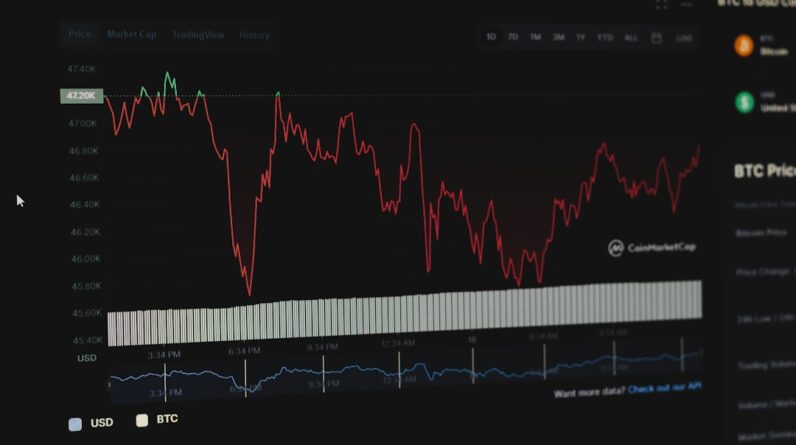
One of the most notable characteristics of cryptocurrencies is their inherent volatility. As you observe the market, you may find that prices can swing dramatically within short periods, creating both opportunities and risks for investors. This volatility can be enticing for those looking to make quick profits, but it also poses significant dangers for those who may not fully understand the market dynamics at play.
You might feel a sense of excitement when witnessing rapid price increases, but it’s crucial to remember that such gains can be fleeting and often followed by steep declines. Speculation plays a significant role in driving this volatility. Many investors enter the cryptocurrency market with the hope of capitalizing on price movements rather than using digital currencies for their intended purposes.
This speculative behavior can create bubbles that eventually burst, leading to substantial losses for those who invested at inflated prices. As you consider your own investment strategy, it’s important to approach cryptocurrencies with caution and a clear understanding of your risk tolerance. By doing so, you can better navigate the unpredictable nature of this market while making informed decisions about your financial future.
Concerns about Privacy and Security
As you engage with cryptocurrencies, privacy and security are paramount concerns that warrant your attention. While many digital currencies tout enhanced privacy features, the reality is that transactions are often recorded on public ledgers, making them traceable. You may find yourself grappling with the balance between anonymity and transparency as you navigate this space.
While some users appreciate the privacy offered by certain cryptocurrencies, others worry about the implications of using a system that can be scrutinized by both governments and malicious actors. Security is another critical aspect to consider as you explore digital currencies. The risk of hacking and theft looms large in this realm, with numerous high-profile breaches making headlines over the years.
You might feel a sense of unease knowing that even well-established exchanges have fallen victim to cyberattacks, resulting in significant losses for their users. To protect yourself, it’s essential to adopt best practices for securing your digital assets, such as using hardware wallets and enabling two-factor authentication. By prioritizing your privacy and security, you can mitigate some of the risks associated with engaging in cryptocurrency transactions.
Impact on Traditional Banking Systems

The rise of cryptocurrencies has sparked discussions about their potential impact on traditional banking systems. As you observe this shift, you may notice that many people are beginning to question the necessity of banks in an increasingly digital world. With decentralized finance (DeFi) platforms emerging as alternatives to traditional banking services, you might find yourself contemplating whether these innovations could render banks obsolete or force them to adapt significantly.
However, while cryptocurrencies offer exciting possibilities for financial inclusion and innovation, they also pose challenges for established banking institutions. You may see banks grappling with how to integrate digital currencies into their existing frameworks while maintaining compliance with regulatory requirements. This tension could lead to a transformation in how banks operate, potentially resulting in new services or partnerships with cryptocurrency platforms.
As you navigate this evolving landscape, it’s essential to stay informed about how these changes might affect your relationship with traditional banking services.
Fear of Economic Instability
As you explore the world of cryptocurrencies, it’s impossible to ignore the broader implications they may have on economic stability. The rapid rise and fall of digital currencies can create uncertainty not only for individual investors but also for entire economies. You might find yourself concerned about how widespread adoption of cryptocurrencies could lead to destabilization if not managed properly.
The potential for sudden market crashes or bubbles could have ripple effects throughout various sectors, impacting everything from consumer spending to investment strategies. Moreover, as more people turn to cryptocurrencies as an alternative store of value or medium of exchange, traditional economic systems may face increased pressure. You may wonder how governments will respond to this shift and whether they will implement measures to regulate or restrict cryptocurrency use in an effort to maintain stability.
As you consider your own financial decisions in light of these developments, it’s crucial to remain aware of the potential risks associated with economic instability stemming from the rise of digital currencies.
Technological Barriers and Accessibility
Finally, as you engage with cryptocurrencies, it’s important to recognize the technological barriers that may hinder accessibility for many individuals. While digital currencies promise democratization of finance, not everyone has equal access to the necessary technology or knowledge required to participate fully in this space. You might find that certain demographics—such as those in rural areas or low-income communities—face challenges in accessing reliable internet connections or understanding how to navigate cryptocurrency platforms.
Additionally, as technology continues to evolve rapidly, keeping up with new developments can be daunting for many users. You may feel overwhelmed by the constant influx of information regarding blockchain technology, wallet security, and trading strategies. This knowledge gap can create disparities in who benefits from cryptocurrency adoption and who remains excluded from its potential advantages.
As you consider your own journey into this world, it’s essential to advocate for greater accessibility and education surrounding cryptocurrencies so that more individuals can participate equitably in this transformative financial landscape.
FAQs
What is digital currency?
Digital currency is a type of currency that is available only in digital or electronic form, and not in physical form. It operates independently of a central bank and is decentralized.
Why do some countries fear digital currency?
Some countries fear digital currency due to concerns about its potential impact on their national currency, financial stability, and ability to regulate monetary policy. There are also concerns about the potential for digital currency to be used for illegal activities such as money laundering and terrorism financing.
How does digital currency differ from traditional currency?
Digital currency differs from traditional currency in that it exists only in digital form and is not issued or regulated by a central authority such as a central bank. It also operates on a decentralized network using blockchain technology.
What are the potential benefits of digital currency?
Potential benefits of digital currency include lower transaction costs, increased financial inclusion for unbanked populations, faster and more efficient cross-border transactions, and greater transparency and security through the use of blockchain technology.
What are the potential risks of digital currency?
Potential risks of digital currency include price volatility, lack of consumer protection, potential for fraud and hacking, and its potential to be used for illegal activities such as money laundering and terrorism financing. There are also concerns about the impact of digital currency on traditional financial systems.