Have you ever wondered how cryptocurrencies could transform the way we do business, especially when it comes to cross-border trade and remittances? In a world where traditional banking systems can be burdensome, especially in regions with limited access, cryptocurrencies are emerging as a beacon of hope. They’re not just digital currencies; they’re a technological revolution that can help bridge economic divides and foster financial inclusion.

Understanding Cryptocurrencies
Cryptocurrencies are digital or virtual currencies that use cryptography for security and operate on a technology called blockchain. Unlike traditional currencies issued by governments, cryptocurrencies are decentralized and often borderless. This characteristic makes them uniquely positioned to facilitate various financial transactions across the globe.
The Core Features of Cryptocurrencies
- Decentralization: No single entity controls cryptocurrencies, which means they operate independently of central banks and governments.
- Security: The blockchain technology behind cryptocurrencies offers a secure way to store and transfer information, reducing risks associated with fraud.
- Anonymity: Cryptocurrencies can provide a higher level of privacy compared to traditional banking systems, making them attractive to users concerned about data security.
By understanding these core features, you can begin to see the potential that cryptocurrencies have not only in personal finance but also in more expansive spheres like international trade and remittances.
The Importance of Cross-Border Trade
Cross-border trade refers to the exchange of goods and services between countries. This process is critical for global economies, allowing for the distribution of products and services that people may not have access to locally. However, it’s often fraught with complexities.
Challenges in Cross-Border Trade
- Currency Fluctuations: Traditional currency exchanges can be subject to fluctuations, impacting the overall cost of transactions.
- High Fees: Financial institutions often charge significant fees for processing cross-border transactions, which can make international trade less feasible for smaller businesses.
- Regulation Issues: Different countries have different regulations regarding trade, complicating the process further.
How Cryptocurrencies Facilitate Cross-Border Trade
Cryptocurrencies offer solutions to some of these challenges. With reduced transaction fees, speedier transactions, and the ability to bypass traditional financial institutions, they allow businesses to operate more fluidly across borders.
-
Lower Transaction Costs: Since cryptocurrencies operate on decentralized networks, fees are significantly lower when transferring funds or negotiating trades globally.
-
Speed: Transactions can be completed within minutes as opposed to days using traditional banking systems, providing businesses with the agility they need.
-
Reduced Dependence on Banking Regulations: Businesses can sometimes operate outside the constraints imposed by traditional finance systems, allowing for quicker adaptations to international markets.
Understanding how cryptocurrencies can alleviate these issues can shift your perspective on how you perceive the global marketplace, encouraging a more interconnected and efficient trading environment.
Remittances: A Lifeline for Many
Remittances—money sent back home by migrant workers—constitute a significant source of income for many families and economies around the world. They help alleviate poverty and support local economies but come with their share of challenges.
Issues with Traditional Remittance Systems
-
High Fees: Traditional wire services and banks often charge hefty fees that can consume a significant percentage of the remitted amount.
-
Slow Processing Times: Depending on the banking channels used, transfers can take several days, delaying access to funds for those who need them most.
-
Limited Access: In many regions, especially in developing countries, access to traditional banking services is limited, making it more challenging to send or receive funds.
The Role of Cryptocurrencies in Remittances
Cryptocurrencies can disrupt the remittance market by providing a more efficient and affordable means of transferring money.
-
Cost-Effective Transactions: The relatively low fees associated with cryptocurrency transactions mean that the recipient receives a larger portion of the remittance.
-
Immediate Transfers: Funds can be transferred almost instantaneously, allowing for quicker access to the money.
-
Accessibility: With a smartphone and internet access, individuals in even the most remote areas can participate in the cryptocurrency ecosystem, allowing for financial inclusion.
By realizing the benefits of cryptocurrencies in remittances, you can appreciate how they’re not merely an investment opportunity but a transformative tool to enhance financial well-being.
Financial Inclusion: A Global Challenge
In many parts of the world, access to traditional banking services is limited, leaving thousands of people unbanked or underbanked. This poses a significant issue, as financial services are critical for economic empowerment.
The Unbanked Population
According to the World Bank, approximately 1.7 billion adults globally do not have a bank account. The inability to access basic financial services can prevent individuals from saving, investing, or even receiving payments.
Barriers to Traditional Banking Access
-
Geographic Barriers: In rural areas, physical banks may not be available, forcing individuals to travel long distances for banking services.
-
High Costs: For many, the costs associated with maintaining a bank account, including minimum balance requirements and transaction fees, prevent them from accessing traditional banking.
-
Lack of Trust: Many communities may distrust banking institutions, resulting in low participation rates.
How Cryptocurrencies Foster Financial Inclusion
Cryptocurrencies can serve as an alternative financial tool, providing access to those who previously lacked entry to the financial system.
-
Easy Accessibility: All you need is a smartphone and internet access. Cryptocurrencies can be stored in digital wallets, making it easier for people to manage their funds without visiting a physical location.
-
Lower Fees and Barriers to Entry: Without the burden of minimum balances and maintenance fees, cryptocurrencies make it easier for low-income individuals to participate.
-
Peer-to-Peer Transactions: Cryptocurrencies allow for direct transactions, cutting out intermediaries and making payments more straightforward and cost-effective.
By seeing cryptocurrencies as a means to achieve financial inclusion, you can recognize them as a potential lifeline for underserved communities around the world.

Regional Focus: Impact on Different Regions
While the fundamental benefits of cryptocurrencies apply globally, their effects can vary across different regions, particularly in areas with limited banking services.
Africa: A Rising Cryptocurrency Hub
Africa has emerged as a significant player in the cryptocurrency space, with countries like Nigeria and Kenya leading the charge.
- High Mobile Penetration: With a burgeoning mobile phone market, many people can access cryptocurrency wallets directly.
- Remittances and Trade: Countries with a high number of emigrants are embracing the use of cryptocurrency for remittances, creating more efficient channels for sending money home.
Latin America: Overcoming Economic Instability
Latin America has seen a sharp increase in cryptocurrency adoption as individuals seek alternatives to unstable national currencies.
- Inflation Resilience: In nations experiencing hyperinflation, cryptocurrencies provide a safe haven for storing value.
- Accessible Platforms: Peer-to-peer exchanges are becoming more popular, granting individuals the tools they need to trade and transact easily.
Asia: Regulatory Challenges and Opportunities
In countries like China and India, cryptocurrencies face regulatory scrutiny but also present exciting opportunities.
- Innovation and Blockchain Technology: Many Asian countries lead in technology innovation, which could enhance the efficiency of cryptocurrency transactions.
- Regulatory Developments: As governments begin to embrace the technology, you may see a more structured and supportive environment that encourages even greater adoption.
By recognizing how these regions can uniquely benefit from cryptocurrencies, it becomes clear that localized strategies can lead to more effective solutions.
Balancing Risks and Rewards
While the potential for cryptocurrencies to facilitate cross-border trade and enhance financial inclusion is undeniable, it’s essential to address the risks involved.
Volatility and Speculation
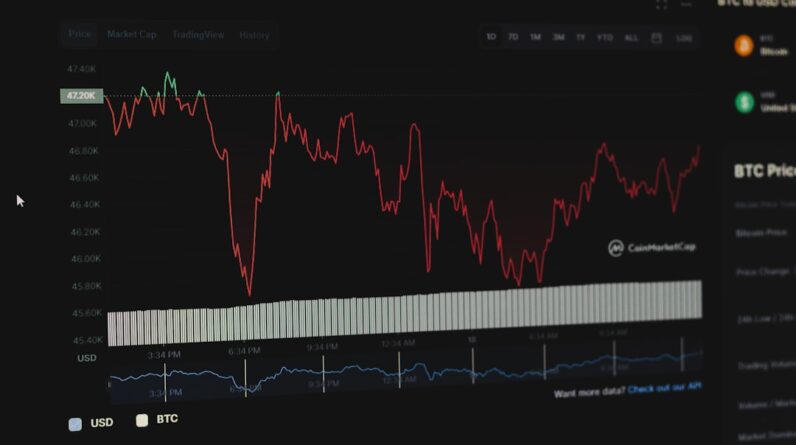
Cryptocurrency markets are notoriously volatile, which can make them a risky proposition for transactions.
Security Concerns
Despite the inherent security features of blockchain technology, cryptocurrencies can still be vulnerable to hacks and scams.
Regulatory Uncertainty
As governments continue to grapple with the implications of cryptocurrencies, regulatory frameworks are still evolving, leaving users in uncertainty about the future.
Recognizing these factors can help you navigate the cryptocurrency landscape with more awareness and caution.

Conclusion: A Future Shaped by Cryptocurrencies
Cryptocurrencies represent a shift in how we think about money, trade, and access to financial services. As they continue to evolve, you might find yourself rethinking traditional methods and embracing new technologies.
By understanding the dynamic role that cryptocurrencies play in facilitating cross-border trade, remittances, and enhancing financial inclusion, you place yourself at the forefront of a financial revolution. As barriers continue to fall and access widens, the potential for cryptocurrencies to uplift economically marginalized populations is greater than ever.
In a world that often feels divided, cryptocurrencies offer a chance to transform financial systems, promote global trade, and empower individuals through greater access to economic opportunities. It’s a journey that has just begun, and by staying informed, you can play a part in shaping the future.