As you embark on your journey into the world of cryptocurrency investment, you may find yourself both excited and overwhelmed. The digital currency landscape has evolved dramatically over the past decade, transforming from a niche interest into a mainstream financial phenomenon. With Bitcoin leading the charge, thousands of alternative cryptocurrencies have emerged, each offering unique features and potential for profit.
Understanding the intricacies of this market is essential for anyone looking to invest wisely and capitalize on the opportunities it presents. Investing in cryptocurrency is not merely about buying coins and hoping for the best; it requires a strategic approach and a solid grasp of the underlying technology and market dynamics. As you delve deeper into this realm, you will discover that successful investment hinges on a combination of knowledge, research, and risk management.
This article aims to equip you with the foundational knowledge necessary to navigate the complexities of cryptocurrency investment, from understanding blockchain technology to evaluating market trends and developing effective strategies.
Key Takeaways
- Cryptocurrency investment offers potential for high returns but comes with high volatility and risk.
- Blockchain technology is the underlying technology behind cryptocurrencies, providing secure and transparent transactions.
- Different types of cryptocurrencies include Bitcoin, Ethereum, and altcoins, each with unique features and use cases.
- Market trends and predictions for 2025 suggest continued growth and adoption of cryptocurrencies, but with potential regulatory challenges.
- Successful cryptocurrency investment strategies include diversification, thorough research, and long-term perspective.
Understanding the Basics of Blockchain Technology
At the heart of cryptocurrency lies blockchain technology, a revolutionary system that enables secure and transparent transactions. As you explore this technology, you’ll find that it functions as a decentralized ledger, recording all transactions across a network of computers. This decentralization eliminates the need for intermediaries, such as banks, allowing for peer-to-peer transactions that are both efficient and cost-effective.
By grasping the fundamentals of blockchain, you will gain insight into why cryptocurrencies have gained traction as an alternative to traditional financial systems. Moreover, blockchain technology is not limited to cryptocurrencies alone; its applications extend far beyond digital currencies. Industries such as supply chain management, healthcare, and finance are beginning to harness the power of blockchain to enhance transparency and security.
As you familiarize yourself with these applications, you will appreciate the broader implications of blockchain technology and its potential to disrupt various sectors. Understanding these concepts will not only enhance your investment acumen but also position you to identify emerging opportunities in the ever-evolving landscape of digital assets.
Evaluating Different Types of Cryptocurrencies

As you navigate the cryptocurrency market, you’ll encounter a diverse array of digital currencies, each with its own unique characteristics and use cases. Bitcoin, often referred to as digital gold, remains the most well-known and widely adopted cryptocurrency. However, thousands of altcoins exist, ranging from Ethereum, which enables smart contracts and decentralized applications, to niche tokens designed for specific industries or communities.
Evaluating these different types of cryptocurrencies is crucial for making informed investment decisions. When assessing cryptocurrencies, consider factors such as market capitalization, technology, use case, and community support. Market capitalization provides insight into a cryptocurrency’s overall value and stability, while understanding its underlying technology can help you gauge its potential for growth.
Additionally, examining the use case—whether it solves a real-world problem or enhances existing systems—can inform your investment strategy. Engaging with online communities and forums can also provide valuable insights into public sentiment and future developments surrounding specific cryptocurrencies.
Analyzing Market Trends and Predictions for 2025
As you look ahead to 2025, analyzing market trends and predictions can help you make informed investment choices. The cryptocurrency market is known for its volatility, but certain patterns can emerge over time. For instance, historical data suggests that Bitcoin tends to experience significant price surges following halving events, which occur approximately every four years.
By studying these trends and understanding the cyclical nature of the market, you can better position yourself for potential gains. In addition to historical trends, keeping an eye on technological advancements and regulatory developments is essential for predicting future market movements. Innovations such as layer-two solutions for scalability or advancements in decentralized finance (DeFi) could significantly impact the value of various cryptocurrencies.
Furthermore, regulatory changes can either bolster or hinder market growth. By staying informed about these factors and their potential implications, you can develop a more nuanced understanding of where the cryptocurrency market may be headed in the coming years.
Strategies for Successful Cryptocurrency Investment
To navigate the complexities of cryptocurrency investment successfully, it’s essential to adopt effective strategies tailored to your risk tolerance and financial goals. One common approach is dollar-cost averaging (DCA), where you invest a fixed amount at regular intervals regardless of market conditions. This strategy helps mitigate the impact of volatility by spreading your investment over time, allowing you to accumulate assets without trying to time the market perfectly.
Another strategy involves diversifying your portfolio across different cryptocurrencies and asset classes. By spreading your investments across various digital currencies—such as Bitcoin, Ethereum, and promising altcoins—you can reduce risk while increasing your chances of capitalizing on potential growth in multiple areas. Additionally, staying informed about market news and trends will enable you to make timely adjustments to your portfolio based on changing conditions.
Risks and Challenges in Cryptocurrency Investment

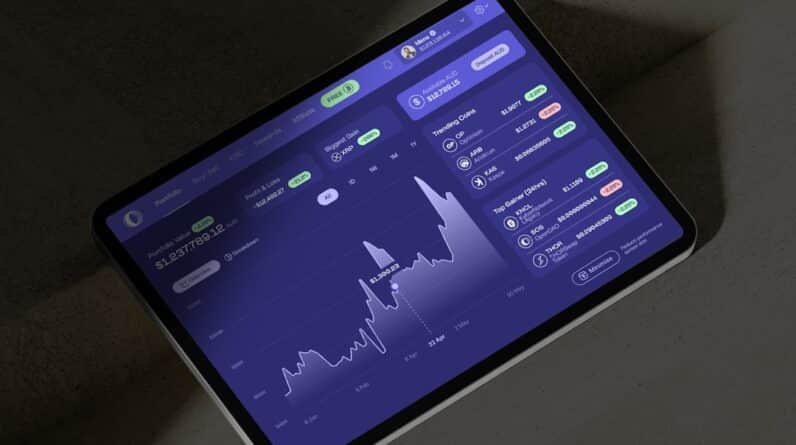
While the potential rewards of cryptocurrency investment can be enticing, it’s crucial to acknowledge the inherent risks and challenges associated with this volatile market. Price fluctuations can be extreme, leading to significant gains or losses within short periods. As an investor, you must be prepared for this volatility and develop a risk management strategy that aligns with your financial situation.
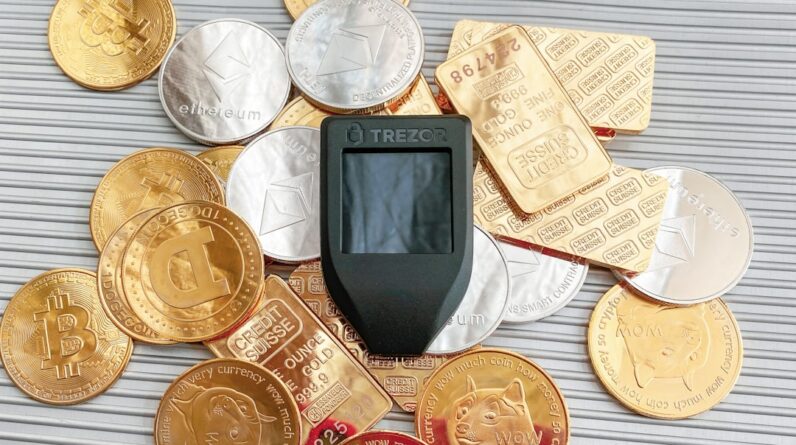
Security is another critical concern in the cryptocurrency space. Hacks and scams are not uncommon, making it essential to prioritize safe storage practices for your digital assets. Utilizing hardware wallets or reputable exchanges with strong security measures can help protect your investments from potential threats.
Additionally, staying vigilant against phishing attempts and fraudulent schemes will further safeguard your assets as you navigate this dynamic landscape.
Regulatory Environment and Legal Considerations
The regulatory environment surrounding cryptocurrency is continually evolving, with governments around the world grappling with how to approach this new asset class. As an investor, it’s vital to stay informed about legal considerations that may impact your investments. Different countries have varying regulations regarding cryptocurrency trading, taxation, and initial coin offerings (ICOs).
Understanding these regulations will help you navigate compliance issues and avoid potential pitfalls. Moreover, regulatory developments can significantly influence market sentiment and price movements. For instance, positive regulatory news may lead to increased investor confidence and higher prices, while negative news can trigger sell-offs.
By keeping abreast of regulatory changes in your jurisdiction and globally, you can better anticipate how these developments may affect your investment strategy.
The Future of Cryptocurrency Investment: Opportunities and Potential Developments
Looking ahead, the future of cryptocurrency investment holds immense promise as technological advancements continue to reshape the landscape. The rise of decentralized finance (DeFi) has opened new avenues for earning passive income through yield farming and liquidity provision. As more individuals seek alternatives to traditional banking systems, DeFi platforms are likely to gain traction, presenting unique investment opportunities.
Additionally, the integration of cryptocurrencies into mainstream finance is becoming increasingly evident. Major financial institutions are exploring ways to incorporate digital assets into their offerings, from custody services to investment products. This growing acceptance could lead to increased liquidity and stability in the market, making it an attractive space for investors seeking long-term growth.
In conclusion, as you navigate the world of cryptocurrency investment, remember that knowledge is your most valuable asset. By understanding blockchain technology, evaluating different cryptocurrencies, analyzing market trends, and developing effective strategies while being mindful of risks and regulations, you can position yourself for success in this dynamic landscape. The future holds exciting possibilities for those willing to embrace innovation and adapt to an ever-changing environment.