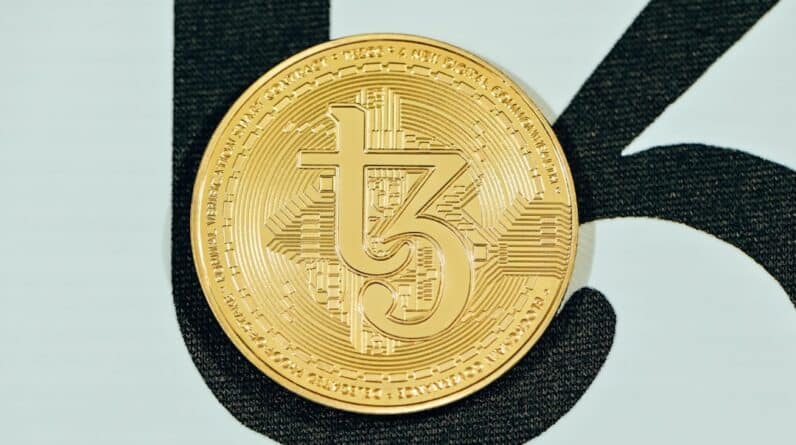
In the ever-evolving landscape of finance, the emergence of digital currency has sparked a significant transformation in how you perceive and engage with money. Traditional currency, often referred to as fiat currency, has long been the cornerstone of economic transactions, serving as a tangible medium of exchange. However, the rise of digital currencies, such as Bitcoin and Ethereum, has introduced a new paradigm that challenges conventional notions of value and exchange.
As you navigate this complex terrain, understanding the fundamental differences and characteristics of both digital and traditional currencies becomes essential. The advent of digital currency has not only revolutionized the way you conduct transactions but has also raised questions about the future of money itself. While traditional currency is deeply rooted in historical practices and government regulations, digital currency operates on decentralized networks, often leveraging blockchain technology.
This shift presents both opportunities and challenges, prompting you to reconsider your relationship with money in an increasingly digital world. As you delve deeper into this topic, you will uncover the nuances that define each form of currency and their implications for the global economy.
Key Takeaways
- Digital currency is a form of currency that is available only in digital or electronic form, while traditional currency is physical money such as coins and banknotes.
- Digital currency is decentralized and operates on a technology called blockchain, while traditional currency is centralized and regulated by governments and central banks.
- Digital currency offers lower transaction fees, faster transactions, and increased security, while traditional currency is widely accepted and has a stable value.
- The key difference between digital currency and traditional currency lies in their form, regulation, and the technology they operate on.
- Advantages of digital currency include accessibility, lower transaction costs, and security, while disadvantages include volatility and potential for cyber attacks. Advantages of traditional currency include stability and wide acceptance, while disadvantages include higher transaction costs and susceptibility to theft.
Definition and Characteristics of Digital Currency
Digital currency can be defined as a form of currency that exists exclusively in a digital format, devoid of any physical representation. Unlike traditional money, which you can hold in your hand, digital currency is stored electronically and can be transferred between parties through online platforms. One of its defining characteristics is its reliance on cryptography for security, ensuring that transactions are secure and that the creation of new units is controlled.
This cryptographic foundation not only enhances security but also fosters trust among users, as it minimizes the risk of fraud. Another notable characteristic of digital currency is its decentralized nature. Most digital currencies operate on blockchain technology, which is a distributed ledger that records all transactions across a network of computers.
This decentralization eliminates the need for intermediaries, such as banks or payment processors, allowing for peer-to-peer transactions. As you explore this realm, you will find that digital currencies can be categorized into various types, including cryptocurrencies, stablecoins, and central bank digital currencies (CBDCs). Each type serves different purposes and offers unique features, further enriching your understanding of this innovative financial landscape.
Definition and Characteristics of Traditional Currency

Traditional currency, or fiat currency, refers to money that is issued by a government and has value because the government maintains it and people have faith in its worth. Unlike digital currencies, traditional currency exists in both physical forms—such as coins and banknotes—and electronic forms, like bank deposits. One of the key characteristics of traditional currency is its backing by a central authority, typically a government or central bank, which regulates its supply and ensures its stability.
This regulation provides a sense of security for you as a user, knowing that your money is protected by legal frameworks. Additionally, traditional currency is widely accepted for transactions within its jurisdiction. You can use it to purchase goods and services at virtually any establishment that accepts cash or card payments.
The familiarity and established infrastructure surrounding traditional currency make it an integral part of daily life for most individuals. However, it is important to note that traditional currencies are subject to inflation and other economic factors that can affect their purchasing power over time. As you consider these aspects, you will gain insight into how traditional currency has shaped economic systems throughout history.
Key Differences Between Digital Currency and Traditional Currency
When comparing digital currency to traditional currency, several key differences emerge that highlight their distinct characteristics. One major difference lies in their physicality; while traditional currency can be physically held and exchanged, digital currency exists solely in electronic form. This distinction affects how you interact with each type of currency in your daily life.
For instance, when using traditional currency, you may carry cash or swipe a card at a point-of-sale terminal. In contrast, digital currency transactions often occur through online wallets or apps, requiring an internet connection and a certain level of technological proficiency. Another significant difference is the level of regulation governing each type of currency.
Traditional currencies are heavily regulated by governments and central banks, which implement monetary policies to control inflation and stabilize the economy. Digital currencies, on the other hand, often operate in a more decentralized manner, with fewer regulatory constraints. This lack of regulation can lead to increased volatility in the value of digital currencies, making them more susceptible to market fluctuations.
As you navigate these differences, it becomes clear that each form of currency offers unique advantages and challenges that can impact your financial decisions.
Advantages and Disadvantages of Digital Currency
Digital currency presents several advantages that appeal to many users in today’s fast-paced world. One notable benefit is the speed and efficiency of transactions. When you send or receive digital currency, transactions can be completed almost instantaneously, regardless of geographical barriers.
This efficiency is particularly advantageous for international transfers, where traditional banking systems may impose delays and high fees. Additionally, the lower transaction costs associated with digital currencies can make them an attractive option for both individuals and businesses looking to minimize expenses. However, despite these advantages, digital currency also comes with its share of disadvantages.
One significant concern is the volatility often associated with cryptocurrencies; their values can fluctuate dramatically within short periods. This volatility can pose risks for investors and users alike, as it may lead to substantial financial losses if not managed carefully. Furthermore, the lack of regulatory oversight can expose users to potential scams or fraudulent schemes within the digital currency space.
As you weigh these pros and cons, it becomes evident that while digital currencies offer innovative solutions for modern transactions, they also require careful consideration and risk management.
Advantages and Disadvantages of Traditional Currency

Stability and Confidence
One primary benefit of traditional currency is its stability. Fiat currencies are generally less volatile than their digital counterparts due to government backing and regulatory frameworks. This stability provides confidence when conducting transactions or saving money for future use.
Convenience and Wide Acceptance
Additionally, traditional currency is widely accepted across various sectors and industries, making it convenient for everyday purchases without the need for specialized knowledge or technology.
Disadvantages and Challenges
On the flip side, traditional currency also has its disadvantages. One major drawback is the potential for inflation; over time, the purchasing power of fiat money can diminish due to rising prices in the economy. This erosion of value can impact your savings if not managed wisely through investment strategies or other financial planning methods. Moreover, traditional banking systems may impose fees for transactions or account maintenance, which can add up over time. As you consider these factors, it becomes clear that while traditional currency remains a reliable option for many individuals, it is not without its challenges.
Impact of Digital Currency on the Financial System
The rise of digital currency has had a profound impact on the financial system as a whole. One significant effect is the disruption of traditional banking models; as more individuals turn to digital currencies for transactions and investments, banks are compelled to adapt their services to remain competitive. This shift has led to innovations such as mobile banking apps and blockchain-based solutions that enhance efficiency and accessibility for users like yourself.
As financial institutions evolve in response to these changes, you may find yourself benefiting from improved services and lower fees. Moreover, digital currencies have introduced new opportunities for financial inclusion. In regions where access to traditional banking services is limited or non-existent, digital currencies offer an alternative means for individuals to participate in the economy.
By leveraging mobile technology and internet access, people can engage in transactions without relying on conventional banking infrastructure. This democratization of finance has the potential to empower underserved populations and foster economic growth in emerging markets. As you reflect on these developments, it becomes evident that digital currencies are reshaping not only individual financial experiences but also the broader economic landscape.
Future Outlook for Digital Currency and Traditional Currency
Looking ahead, the future outlook for both digital currency and traditional currency remains uncertain yet promising. As technology continues to advance at an unprecedented pace, it is likely that digital currencies will become increasingly integrated into everyday life. You may witness further innovations in blockchain technology and decentralized finance (DeFi) platforms that enhance security and accessibility for users worldwide.
Additionally, central banks are exploring the development of their own digital currencies (CBDCs), which could bridge the gap between traditional finance and emerging digital solutions. Conversely, traditional currencies are unlikely to disappear entirely; instead, they may coexist alongside digital currencies as part of a diversified financial ecosystem. Governments will continue to play a crucial role in regulating monetary systems to ensure stability while adapting to technological advancements.
As you navigate this evolving landscape, staying informed about trends in both digital and traditional currencies will empower you to make informed financial decisions that align with your goals and values. In conclusion, understanding the distinctions between digital currency and traditional currency is essential as you navigate an increasingly complex financial landscape. Each form of currency offers unique advantages and challenges that can impact your financial decisions today and in the future.
By staying informed about these developments, you can better position yourself to adapt to changes in the world of finance while making choices that align with your personal values and goals.
FAQs
What is digital currency?
Digital currency is a type of currency that is only available in digital or electronic form. It does not have a physical counterpart like coins or banknotes. Digital currencies are decentralized and typically use cryptography for security and to control the creation of new units.
What is traditional currency?
Traditional currency refers to the physical forms of money that are issued and regulated by governments, such as coins and banknotes. It is also known as fiat currency, and its value is derived from the trust and confidence in the issuing government.
What are the main differences between digital currency and traditional currency?
The main differences between digital currency and traditional currency include their form (digital vs. physical), the entities that issue and regulate them (decentralized vs. government), and the technology used for transactions (blockchain vs. traditional banking systems).
How are digital currencies and traditional currencies used for transactions?
Digital currencies are typically used for online transactions, peer-to-peer transfers, and as a store of value. Traditional currencies are used for both online and offline transactions, and are widely accepted for payments of goods and services.
What are some examples of digital currencies and traditional currencies?
Examples of digital currencies include Bitcoin, Ethereum, and Ripple. Examples of traditional currencies include the US dollar, Euro, Japanese Yen, and British Pound.
Are digital currencies and traditional currencies regulated differently?
Yes, digital currencies are often not regulated by governments or central banks, while traditional currencies are heavily regulated and controlled by the issuing government and central bank.