In recent years, the financial landscape has undergone a significant transformation, largely due to the emergence of digital currencies. These currencies, often referred to as cryptocurrencies, have captured the attention of investors, technologists, and everyday consumers alike. As you delve into this fascinating world, you will discover that digital currencies are not merely a passing trend; they represent a fundamental shift in how we perceive and utilize money.
The allure of decentralized finance, coupled with the promise of enhanced security and transparency, has led many to explore the potential of these innovative financial instruments. Digital currencies operate on blockchain technology, a decentralized ledger that records transactions across multiple computers. This technology ensures that transactions are secure, transparent, and immutable.
As you navigate through this article, you will gain insights into the various types of digital currencies available today, their unique characteristics, and the factors that influence their value. Understanding these elements is crucial for anyone looking to engage with this new financial paradigm, whether as an investor or simply as an informed consumer.
Key Takeaways
- Digital currencies are virtual or electronic currencies that use cryptography for security and operate independently of a central bank.
- Bitcoin is the first and most well-known digital currency, created in 2009 by an unknown person using the pseudonym Satoshi Nakamoto.
- Other digital currencies, such as Ethereum, Ripple, and Litecoin, have emerged with different features and use cases compared to Bitcoin.
- Key differences between Bitcoin and other digital currencies include their underlying technology, transaction speed, and supply limit.
- Factors influencing the value of Bitcoin and other digital currencies include market demand, regulatory developments, and technological advancements.
Understanding Bitcoin
The Limited Supply of Bitcoin
One of the defining features of Bitcoin is its limited supply. There will only ever be 21 million bitcoins in existence, a characteristic that sets it apart from traditional fiat currencies that can be printed at will by central banks. This scarcity has contributed to Bitcoin’s appeal as a store of value, often likened to digital gold.
The Underlying Technology: Blockchain
As you learn more about Bitcoin’s mechanics, you’ll also discover its underlying technology—blockchain—which ensures that every transaction is recorded in a secure and transparent manner. This decentralized nature not only enhances security but also empowers users by giving them full control over their funds.
A New Era in Finance
This revolutionary concept has sparked a wave of interest and innovation in the financial sector, leading to the creation of thousands of alternative cryptocurrencies.
Exploring Other Digital Currencies
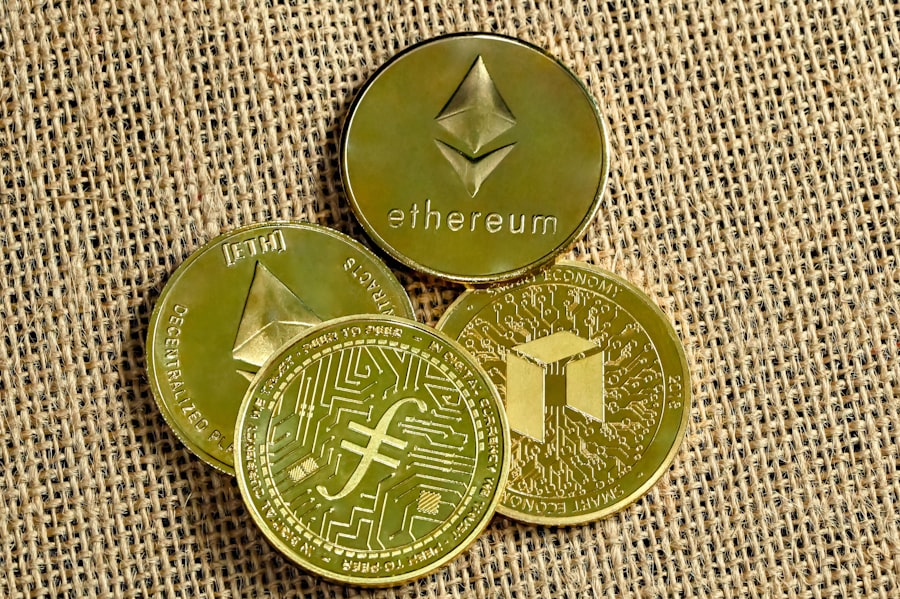
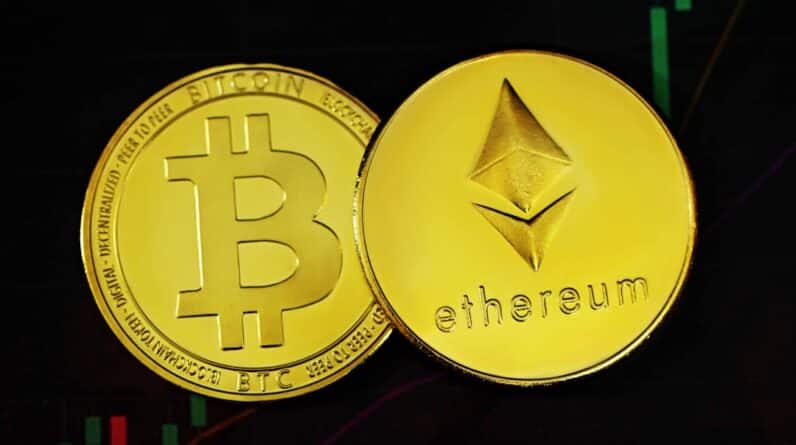
While Bitcoin may be the pioneer of digital currencies, it is far from the only player in this rapidly evolving space. As you investigate further, you will encounter a diverse array of cryptocurrencies, each with its own unique features and use cases. Ethereum, for instance, has gained prominence for its smart contract functionality, allowing developers to create decentralized applications (dApps) on its platform.
This capability has opened up new avenues for innovation in various sectors, from finance to gaming. Other notable cryptocurrencies include Ripple (XRP), which focuses on facilitating cross-border payments for financial institutions, and Litecoin (LTC), often referred to as the silver to Bitcoin’s gold due to its faster transaction times. As you explore these alternatives, you’ll notice that many digital currencies aim to address specific challenges or inefficiencies within traditional financial systems.
This diversity not only enriches the cryptocurrency ecosystem but also provides you with numerous options depending on your interests and investment goals.
Key Differences Between Bitcoin and Other Digital Currencies
As you compare Bitcoin with other digital currencies, several key differences emerge that highlight their unique characteristics. One of the most significant distinctions lies in their consensus mechanisms. Bitcoin relies on a proof-of-work (PoW) system, which requires miners to solve complex mathematical problems to validate transactions and secure the network.
In contrast, many alternative cryptocurrencies have adopted different consensus models, such as proof-of-stake (PoS), which allows users to validate transactions based on the number of coins they hold. Another critical difference is the purpose and functionality of each cryptocurrency. While Bitcoin primarily serves as a digital currency and store of value, other cryptocurrencies may focus on specific applications or industries.
For example, Chainlink (LINK) provides decentralized oracles that connect smart contracts with real-world data, while Cardano (ADA) emphasizes sustainability and scalability in its blockchain design. Understanding these differences can help you make informed decisions about which digital currencies align with your interests and investment strategies.
Factors Influencing the Value of Bitcoin and Other Digital Currencies
The value of Bitcoin and other digital currencies is influenced by a myriad of factors that can lead to significant price fluctuations. As you delve into this aspect, you’ll find that market sentiment plays a crucial role; news events, regulatory developments, and technological advancements can all impact investor confidence and demand. For instance, positive news about institutional adoption or favorable regulations can drive prices up, while negative headlines can lead to sharp declines.
Additionally, supply and demand dynamics are fundamental in determining the value of cryptocurrencies. With Bitcoin’s capped supply of 21 million coins, any increase in demand can lead to substantial price appreciation. Conversely, many altcoins have different supply mechanisms that can affect their market behavior.
As you analyze these factors, it’s essential to stay informed about market trends and developments that could influence the value of your investments.
Security and Regulation Variances
Security is a paramount concern in the world of digital currencies, and as you explore this topic, you’ll discover that different cryptocurrencies have varying levels of security measures in place. Bitcoin’s robust network security is bolstered by its extensive mining community and decentralized nature. However, other cryptocurrencies may face vulnerabilities due to less established networks or differing consensus mechanisms.
Regulation is another critical aspect that varies across jurisdictions and can significantly impact the cryptocurrency landscape. Some countries have embraced digital currencies with open arms, creating regulatory frameworks that foster innovation and growth. In contrast, others have imposed strict regulations or outright bans on cryptocurrency activities.
As you navigate this complex regulatory environment, it’s essential to stay informed about the legal landscape in your region and how it may affect your engagement with digital currencies.
Adoption and Use Cases of Bitcoin and Other Digital Currencies
The adoption of Bitcoin and other digital currencies has been steadily increasing as more individuals and businesses recognize their potential benefits. As you examine this trend, you’ll find that Bitcoin is increasingly being accepted as a form of payment by various merchants worldwide. From online retailers to brick-and-mortar stores, businesses are beginning to embrace cryptocurrency transactions as a way to attract tech-savvy customers.
Beyond mere transactions, digital currencies are finding innovative use cases across various industries. For instance, blockchain technology is being utilized in supply chain management to enhance transparency and traceability. In finance, decentralized finance (DeFi) platforms are revolutionizing lending and borrowing by eliminating intermediaries.
As you explore these use cases further, you’ll gain a deeper appreciation for how digital currencies are reshaping traditional systems and creating new opportunities for growth.
The Future of Bitcoin and Other Digital Currencies
As you reflect on the journey through the world of digital currencies, it’s clear that both Bitcoin and its altcoin counterparts hold immense potential for the future. The ongoing evolution of technology, coupled with increasing acceptance among consumers and businesses alike, suggests that digital currencies are here to stay. While challenges such as regulatory hurdles and security concerns remain, the resilience of the cryptocurrency community continues to drive innovation.
Looking ahead, it’s essential for you to stay informed about developments in this dynamic space. Whether you’re considering investing in cryptocurrencies or simply seeking to understand their implications for the future of finance, knowledge is your most valuable asset. The landscape may be complex and ever-changing, but with careful research and an open mind, you can navigate this exciting frontier with confidence.
The future of digital currencies promises not only new financial opportunities but also a reimagining of how we interact with money itself.
FAQs
What is Bitcoin?
Bitcoin is a decentralized digital currency that was created in 2009 by an unknown person using the name Satoshi Nakamoto. It operates on a peer-to-peer network and uses blockchain technology to enable secure and transparent transactions.
What are other digital currencies?
Other digital currencies, also known as cryptocurrencies, are alternative forms of digital or virtual currencies that use cryptography for security and operate on decentralized networks. Examples include Ethereum, Ripple, Litecoin, and many others.
What is the difference between Bitcoin and other digital currencies?
The main difference between Bitcoin and other digital currencies lies in their underlying technology, use cases, and market adoption. Bitcoin was the first cryptocurrency and is often seen as a store of value or digital gold, while other digital currencies may have different purposes such as smart contracts, cross-border payments, or privacy features.
How does Bitcoin differ from other digital currencies in terms of market adoption?
Bitcoin has the highest market capitalization and is the most widely recognized and adopted digital currency. Other digital currencies may have smaller market capitalizations and varying levels of adoption and use in different industries and applications.
Are there differences in the technology used by Bitcoin and other digital currencies?
Yes, there are differences in the underlying technology used by Bitcoin and other digital currencies. For example, Bitcoin uses a proof-of-work consensus mechanism, while other digital currencies may use different consensus mechanisms such as proof-of-stake or variations of the blockchain technology.