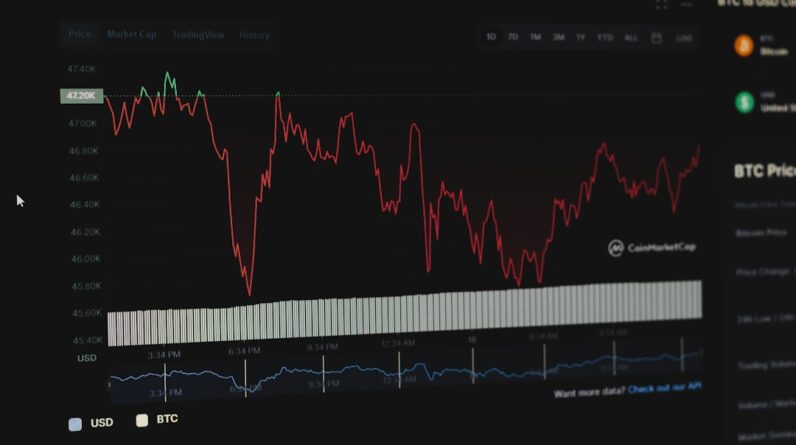
As you delve into the world of cryptocurrency, it’s essential to grasp the fundamental principles of how taxation applies to your digital assets. Cryptocurrency is often treated as property rather than currency by tax authorities in many jurisdictions. This means that when you buy, sell, or trade cryptocurrencies, you may be subject to capital gains tax.
Essentially, any profit you make from these transactions could be taxable, and understanding this concept is crucial for your financial planning. Moreover, the tax implications can vary significantly based on how long you hold your cryptocurrency before selling it. If you hold your assets for more than a year, you may qualify for long-term capital gains rates, which are typically lower than short-term rates applied to assets held for less than a year.
This distinction can have a substantial impact on your overall tax liability, making it vital for you to consider your investment strategy in light of these tax rules.
Key Takeaways
- Cryptocurrency transactions are subject to taxation, and it’s important to understand the basics of how they are taxed.
- Different jurisdictions have different tax laws and reporting requirements for cryptocurrency, so it’s crucial to identify and comply with the specific rules in your area.
- Keeping accurate records of all your cryptocurrency transactions is essential for tax purposes and to ensure compliance with reporting requirements.
- Different types of cryptocurrency transactions, such as buying, selling, and mining, may have different tax treatments, so it’s important to determine how each type is taxed.
- Navigating the reporting requirements for cryptocurrency gains and losses can be complex, so seeking professional help and guidance is recommended.
- It’s important to stay updated on changes in cryptocurrency tax laws and regulations to ensure compliance and minimize tax liability.
- Implementing strategies to minimize tax liability on cryptocurrency transactions, such as tax-loss harvesting and using tax-advantaged accounts, can help reduce the amount of taxes owed.
Identifying Your Specific Jurisdiction’s Tax Laws and Reporting Requirements
Tax laws regarding cryptocurrency can differ widely depending on where you reside. Therefore, it’s imperative for you to familiarize yourself with the specific regulations that apply in your jurisdiction. In some countries, cryptocurrencies are treated similarly to stocks and bonds, while others may have unique rules that govern their taxation.
You should consult the official tax authority’s website or seek guidance from a tax professional to ensure you are compliant with local laws. Additionally, understanding the reporting requirements in your jurisdiction is equally important. Some countries require you to report every transaction, while others may have thresholds that determine when reporting is necessary.
By knowing these requirements, you can avoid potential penalties and ensure that you are accurately reporting your cryptocurrency activities. This knowledge will empower you to navigate the complexities of cryptocurrency taxation with confidence.
Keeping Accurate Records of Your Cryptocurrency Transactions

Maintaining meticulous records of your cryptocurrency transactions is not just a good practice; it’s a necessity for accurate tax reporting. Each time you buy, sell, or trade cryptocurrency, you should document the date of the transaction, the amount involved, and the value of the cryptocurrency at that time. This information will be invaluable when it comes time to calculate your gains or losses for tax purposes.
In addition to transaction details, it’s wise to keep records of any fees associated with your trades, as these can often be deducted from your taxable gains. You might consider using specialized software designed for tracking cryptocurrency transactions, which can simplify the process and help ensure that you don’t miss any critical details. By keeping thorough records, you’ll be better prepared to handle any inquiries from tax authorities and can streamline your tax preparation process.
Determining the Tax Treatment of Different Types of Cryptocurrency Transactions
Not all cryptocurrency transactions are treated equally when it comes to taxation. For instance, if you simply buy and hold a cryptocurrency without selling it, there are generally no immediate tax implications. However, once you decide to sell or exchange your holdings, that’s when capital gains tax may come into play.
Understanding how different types of transactions are taxed is crucial for effective financial planning. Furthermore, if you engage in activities such as mining or staking cryptocurrencies, these may also have distinct tax implications. Mining income is typically considered ordinary income and taxed accordingly, while staking rewards may also be subject to income tax at the time they are received.
By recognizing how various transactions are treated under tax law, you can make informed decisions about your cryptocurrency investments and their potential tax consequences.
Navigating the Reporting Requirements for Cryptocurrency Gains and Losses
When it comes time to report your cryptocurrency gains and losses, the process can seem daunting. However, breaking it down into manageable steps can help simplify the task. First, calculate your total gains and losses by subtracting the cost basis (the original purchase price) from the sale price of each transaction.
This will give you a clear picture of your taxable income from cryptocurrency activities. Next, be aware of how to report these figures on your tax return. Many jurisdictions require you to fill out specific forms dedicated to capital gains and losses.
It’s essential to follow the guidelines provided by your local tax authority to ensure compliance. If you have multiple transactions throughout the year, consider using software or hiring a professional to assist with this process, as it can save you time and reduce the risk of errors.
Seeking Professional Help and Guidance for Cryptocurrency Taxation

Given the complexities surrounding cryptocurrency taxation, seeking professional help can be a wise decision. Tax professionals who specialize in cryptocurrency can provide valuable insights tailored to your specific situation. They can help you navigate the intricacies of tax laws and ensure that you are taking advantage of any deductions or credits available to you.
Moreover, a knowledgeable tax advisor can assist in developing a comprehensive strategy for managing your cryptocurrency investments in a tax-efficient manner. They can help you understand how different transactions will impact your overall tax liability and guide you in making informed decisions about buying or selling assets. By enlisting professional guidance, you can alleviate some of the stress associated with cryptocurrency taxation and focus on growing your investments.
Staying Updated on Changes in Cryptocurrency Tax Laws and Regulations
The landscape of cryptocurrency taxation is continually evolving as governments around the world adapt their regulations to keep pace with this rapidly changing market. As an investor or trader in cryptocurrencies, it’s crucial for you to stay informed about any changes that may affect your tax obligations. Regularly checking updates from your local tax authority or subscribing to reputable financial news sources can help ensure that you remain compliant.
Additionally, participating in online forums or communities focused on cryptocurrency taxation can provide valuable insights from fellow investors who may share their experiences and knowledge about recent developments. By staying proactive in your research and education regarding tax laws, you can better prepare yourself for any changes that may arise and adjust your strategies accordingly.
Implementing Strategies to Minimize Tax Liability on Cryptocurrency Transactions
While taxes on cryptocurrency transactions are often unavoidable, there are strategies you can implement to minimize your overall tax liability. One common approach is tax-loss harvesting, where you sell underperforming assets at a loss to offset gains from other investments. This strategy can help reduce your taxable income and improve your overall financial position.
Another strategy involves holding onto your investments for longer periods to benefit from lower long-term capital gains rates. Additionally, consider utilizing tax-advantaged accounts if available in your jurisdiction, such as retirement accounts that allow for tax-free growth on investments. By being strategic about how and when you buy or sell cryptocurrencies, you can effectively manage your tax burden while still pursuing your investment goals.
In conclusion, navigating the world of cryptocurrency taxation requires diligence and awareness of various factors that influence your obligations. By understanding the basics of taxation, identifying local laws, keeping accurate records, determining the treatment of different transactions, and seeking professional guidance when necessary, you can effectively manage your cryptocurrency investments while minimizing potential tax liabilities. Staying informed about changes in regulations and implementing strategic approaches will further empower you in this dynamic financial landscape.
FAQs
What are cryptocurrency taxes?
Cryptocurrency taxes refer to the taxes that individuals or businesses are required to pay on their cryptocurrency transactions, including buying, selling, trading, and mining of cryptocurrencies.
What are the reporting requirements for cryptocurrency transactions?
Reporting requirements for cryptocurrency transactions vary by jurisdiction, but generally include reporting the value of cryptocurrency transactions on tax returns and providing detailed records of cryptocurrency transactions to tax authorities.
How do cryptocurrency taxes differ by jurisdiction?
Cryptocurrency taxes differ by jurisdiction in terms of how they are classified (as property, currency, or commodity), the tax rates applied, and the specific reporting requirements for cryptocurrency transactions.
What are the common challenges in navigating cryptocurrency taxes and reporting requirements?
Common challenges in navigating cryptocurrency taxes and reporting requirements include understanding the classification of cryptocurrencies for tax purposes, keeping accurate records of cryptocurrency transactions, and staying updated on changing tax laws and regulations.
What are some strategies for navigating the complex landscape of cryptocurrency taxes?
Strategies for navigating cryptocurrency taxes include seeking professional tax advice, keeping detailed records of cryptocurrency transactions, staying informed about tax laws and regulations, and using cryptocurrency tax software to help with reporting and compliance.