Have you ever wondered if you could buy a house with cryptocurrency? The intersection of cryptocurrency and real estate is becoming a hot topic, and more people are curious about the possibilities. You might be surprised by how far this idea has come and how it could be a legitimate option for you in the near future.
Understanding Cryptocurrency
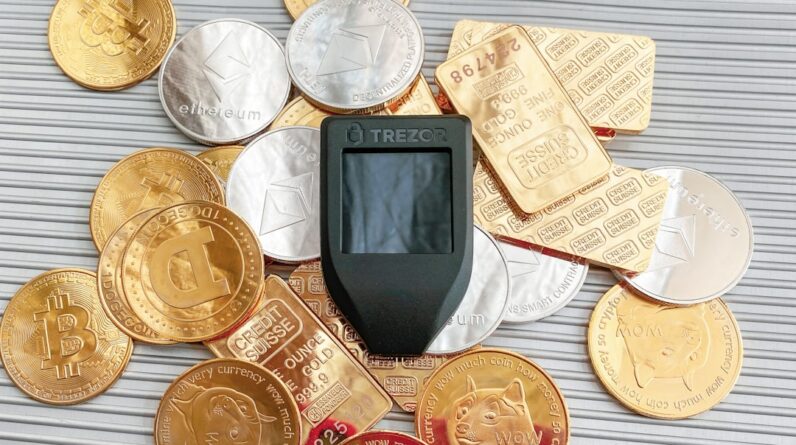
Cryptocurrency is a digital or virtual form of currency that relies on encryption techniques to secure transactions. Unlike traditional currencies, cryptocurrencies operate on a decentralized network called blockchain. This innovative technology not only records transactions but also ensures transparency and security.
The Evolution of Cryptocurrency
Since Bitcoin emerged in 2009, the cryptocurrency landscape has evolved dramatically. New tokens and coins proliferated, expanding the ecosystem. Today, thousands of cryptocurrencies exist, each with unique purposes and technologies. Understanding the evolution of these currencies can help you grasp their viability as a payment method in real estate transactions.
The Real Estate Market Landscape
Real estate has traditionally been viewed as a safe investment, often providing substantial returns. However, the market is undergoing shifts, influenced by various factors such as interest rates, economic conditions, and technological advancements. These changes create opportunities for innovative payment methods, including cryptocurrencies.
Current Trends in Real Estate
Real estate is embracing technology and innovation more than ever, with trends such as virtual tours, online listings, and remote closings becoming mainstream. Millennials and Gen Z, who are well-versed in digital currencies, are beginning to enter the market. As a result, more sellers and buyers are considering cryptocurrencies as an alternative payment method.

Cryptocurrency and Real Estate: A Viable Combination?
As interest in cryptocurrency surges, you may ask, “Can I actually use cryptocurrency to buy a home?” The answer is increasingly becoming a “yes.” Numerous real estate platforms and companies have started accepting cryptocurrencies as a valid form of payment.
Companies Leading the Charge
Several organizations are becoming pioneers in the acceptance of cryptocurrency in real estate transactions. Companies like Propy and Real Estate Coin are facilitating these exchanges, making it easier for buyers and sellers to transact in cryptocurrencies. By integrating blockchain technology, they promise a more efficient and secure buying process.
Benefits of Using Cryptocurrency for Real Estate Purchases
You may find the concept of using cryptocurrency for real estate appealing for several reasons.
Transparency and Security
Cryptocurrency transactions are secured through blockchain technology, which ensures that every transaction is recorded and immutable. This offers both buyers and sellers a level of security that can sometimes be lacking in traditional real estate dealings.
Lower Transaction Costs
Traditional real estate transactions often involve multiple parties, including agents, escrow companies, and banks, each of which may charge fees. Cryptocurrencies can streamline this process, potentially leading to lower transaction costs. While you’ll still incur some fees, they may be significantly lower than conventional methods.
Faster Transactions
Purchasing a home traditionally can take weeks or even months, filled with paperwork and approvals. Cryptocurrency transactions can expedite this process, allowing for quicker closings and faster access to funds.

Challenges and Risks of Using Cryptocurrency for Real Estate
While the potential is exciting, you should also be aware of the inherent risks and challenges associated with using cryptocurrency for real estate.
Market Volatility
One of the most significant risks you face is the volatility of cryptocurrencies. Prices can swing dramatically in short periods, potentially affecting your purchasing power. If you’re considering using cryptocurrency, it’s essential to keep volatility in mind and weigh how it may impact your transaction.
Legal and Regulatory Concerns
Regulations around cryptocurrency can be complex and vary significantly depending on your jurisdiction. You must understand the legal landscape in your area before proceeding with a cryptocurrency transaction, ensuring that you comply with any regulations.
Limited Acceptance
Although more companies are beginning to accept cryptocurrencies, many sellers and real estate agents are still unfamiliar with the process. This limitation may restrict your options and necessitate finding sellers who are open to receiving cryptocurrencies.
Steps to Buy Real Estate with Cryptocurrency
Buying real estate with cryptocurrency involves several steps that you should be aware of. This process may differ depending on the platform and the parties involved, but generally, it follows a similar path.
Step 1: Choose a Cryptocurrency
The first step is to determine which cryptocurrency you will use for your purchase. Bitcoin remains the most recognized, but other options like Ethereum and Litecoin may also be acceptable. It’s important to choose a currency that is widely accepted and stable.
Step 2: Find a Property and Seller
Once you’ve selected your cryptocurrency, start looking for properties and sellers who accept your chosen form of payment. This may require some research, as not all real estate listings will disclose whether they accept cryptocurrencies.
Step 3: Conduct Due Diligence
Before making any commitments, thoroughly investigate the property. This includes checking property records, title searches, and ensuring that all the relevant paperwork is in order. Just because a seller accepts cryptocurrency doesn’t mean they are adhering to traditional real estate practices.
Step 4: Negotiate the Terms of Sale
When you find a property you love, negotiate the terms of the sale. This can be more straightforward if both parties are open to cryptocurrency transactions. Ensure that all terms, including price and conditions, are clearly defined in writing.
Step 5: Complete the Transaction
Once negotiations are finalized, you’ll complete the transaction. This often involves working with a title company or escrow service to ensure that all funds are transferred legally and securely. Keep in mind that different states may have varying requirements for real estate transactions with cryptocurrency.
Real Estate Markets Embracing Cryptocurrency
Some metropolitan areas have adopted cryptocurrency in real estate transactions more than others. This increased acceptance often correlates with a tech-savvy population and a willingness to innovate.
Major U.S. Cities Leading the Way
Cities like Miami, San Francisco, and New York are at the forefront of integrating cryptocurrency into their real estate markets. These cities not only have a high concentration of tech companies and investment but also a population open to adopting new technologies.
Global Trends
Outside the U.S., cities like Dubai and Sydney are also experimenting with cryptocurrency in real estate. These changes represent a global trend toward innovations in property transactions, reflecting how rapidly the landscape is evolving.
Tax Implications of Using Cryptocurrency in Real Estate Transactions
Whenever money is involved, the taxman is usually close behind. Using cryptocurrency to purchase real estate can have specific tax implications that you should be aware of.
Capital Gains Tax
In many jurisdictions, cryptocurrencies are considered property, meaning any gains you realize when selling your crypto for fiat (government-issued currency) can trigger capital gains taxes. This could affect the overall cost of your transaction and should be factored into your financial planning.
Transaction Reporting
You must report any cryptocurrency transactions on your tax filings accurately. This process could become complicated if you are dealing with multiple cryptocurrencies or engaging in several transactions. It’s advisable to consult a tax professional knowledgeable in cryptocurrency matters to ensure compliance.
Tips for Navigating Real Estate Purchases with Cryptocurrency
Purchasing real estate with cryptocurrency can be exhilarating but requires careful navigation. Here are some tips to help you along the way.
Stay Informed
Given how quickly the cryptocurrency landscape is evolving, staying informed about changes in regulations, market trends, and new technologies is crucial. Joining online communities and following industry news websites can provide valuable insights.
Work with Professionals
Partnering with real estate professionals who understand cryptocurrencies can significantly enhance your experience. They will help you navigate the complexities and address any challenges you may face.
Be Cautious and Plan Ahead
With any investment, especially in a highly volatile market like cryptocurrency, caution is essential. Make sure to conduct thorough research, and be willing to walk away from a transaction if something doesn’t feel right.
The Future of Cryptocurrency in Real Estate
As cryptocurrency continues to mature, its integration into the real estate market is likely to grow. Innovations in technology and shifts in consumer preferences will further shape how real estate transactions are conducted.
Potential Developments
Expect to see improvements in regulatory frameworks around cryptocurrencies. Governments worldwide are beginning to understand the importance of these technologies, and more standardized regulations will likely pave the way for easier and safer transactions.
The Role of Blockchain
Blockchain technology will undoubtedly continue to play a crucial role in the future of real estate. Smart contracts, which automatically execute terms when conditions are met, represent just one example of how blockchain can streamline processes, enhance security, and reduce fraud.
Conclusion
As you consider the possibilities of purchasing real estate with cryptocurrency, it’s essential to weigh the benefits and challenges. While the landscape is still developing, the opportunities are promising. You have the potential to navigate this new frontier, taking advantage of innovative payment methods in a centuries-old industry.
With thoughtful planning, a clear understanding of the risks, and the right team by your side, you can explore this exciting new avenue to achieve your real estate dreams. Embrace the future, stay informed, and remember that you are part of a transformative movement that could reshape the way we buy and sell properties.