When you embark on your cryptocurrency journey, one of the first decisions you face is selecting the right wallet. Cryptocurrency wallets come in various forms, each designed to cater to different needs and preferences. Broadly speaking, wallets can be categorized into two main types: hot wallets and cold wallets.
Hot wallets are connected to the internet, making them convenient for everyday transactions. They include web wallets, mobile wallets, and desktop wallets. On the other hand, cold wallets are offline storage solutions, such as hardware wallets and paper wallets, which provide enhanced security against online threats.
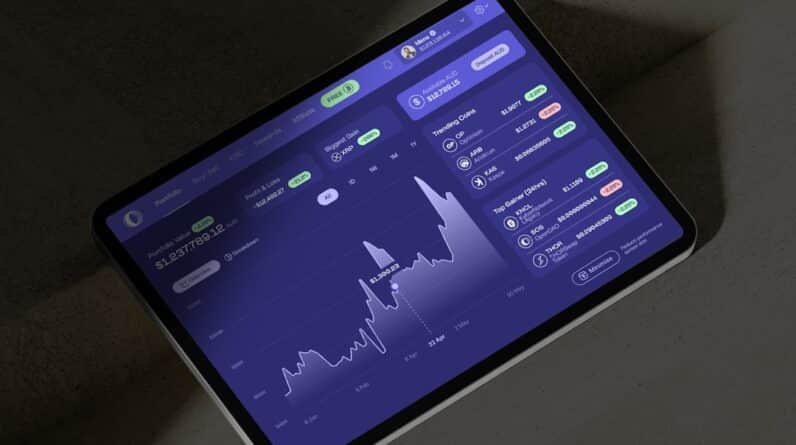
Hot wallets are ideal for those who frequently trade or use their cryptocurrencies for purchases. They offer quick access and user-friendly interfaces, allowing you to manage your assets with ease. However, this convenience comes at a cost; being online makes them more susceptible to hacking and phishing attacks.
Cold wallets, while less convenient for daily transactions, provide a higher level of security. By keeping your private keys offline, you significantly reduce the risk of unauthorized access. Understanding these distinctions is crucial as you navigate the world of cryptocurrency, ensuring that you choose a wallet that aligns with your usage patterns and security requirements.
Key Takeaways
- There are different types of cryptocurrency wallets, including hardware, software, and paper wallets, each with its own security features and accessibility options.
- When choosing a cryptocurrency wallet, it’s important to assess your security needs and preferences, such as the level of control and protection you require for your digital assets.
- Consider the accessibility features and user-friendliness of a wallet, including its compatibility with different devices and ease of use for managing transactions.
- Private keys and seed phrases are crucial for accessing and recovering your cryptocurrency funds, so it’s important to choose a wallet that prioritizes the security of these elements.
- Research the reputation and trustworthiness of wallet providers, including their track record for security and customer support, before making a decision.
- Explore multi-signature and hardware wallet options for added security, as these can provide extra layers of protection for your cryptocurrency holdings.
- Examine the cost and fees associated with different wallets, including transaction fees and any subscription or maintenance costs, to find the best fit for your budget.
- Seek recommendations and reviews from experienced cryptocurrency users to gain insights into the performance and reliability of different wallet options.
Assessing Your Security Needs and Preferences
As you delve deeper into the world of cryptocurrency, assessing your security needs becomes paramount. The level of security you require often depends on how much cryptocurrency you own and how you plan to use it. If you are a casual user with a small amount of cryptocurrency, a hot wallet may suffice for your needs.
However, if you are a serious investor or plan to hold significant amounts of cryptocurrency for the long term, a cold wallet is likely a better choice. Evaluating your risk tolerance is essential; consider how comfortable you are with potential losses and the measures you are willing to take to protect your assets. Your personal preferences also play a significant role in determining the right wallet for you.
Some users prioritize convenience and ease of use, while others may place a higher value on security features. Think about how often you plan to access your wallet and whether you need to make frequent transactions. If you prefer a straightforward experience without the complexities of managing private keys, a user-friendly hot wallet might be more appealing.
Conversely, if you are willing to invest time in learning about security practices and managing your assets carefully, a cold wallet could provide peace of mind knowing that your funds are well-protected.
Evaluating Accessibility Features and User-Friendliness

When choosing a cryptocurrency wallet, accessibility features and user-friendliness should be at the forefront of your decision-making process. A wallet that is easy to navigate can significantly enhance your overall experience, especially if you are new to cryptocurrency. Look for wallets that offer intuitive interfaces, clear instructions, and responsive customer support.
The last thing you want is to feel overwhelmed or confused when trying to manage your assets. A user-friendly wallet can make all the difference in helping you feel confident as you engage with your cryptocurrency. Additionally, consider the accessibility features that matter most to you.
For instance, if you frequently use your mobile device for transactions, a mobile wallet with robust features may be essential. Alternatively, if you prefer managing your assets from a desktop computer, ensure that the wallet you choose is compatible with your operating system and offers seamless functionality. Accessibility also extends to recovery options; look for wallets that provide easy-to-follow recovery processes in case you lose access to your account.
By prioritizing accessibility and user-friendliness, you can create a more enjoyable and efficient cryptocurrency experience.
Considering the Importance of Private Keys and Seed Phrases
One of the most critical aspects of managing your cryptocurrency wallet is understanding the significance of private keys and seed phrases. Your private key is essentially the password that grants access to your funds; losing it means losing access to your cryptocurrency permanently. Therefore, safeguarding your private key should be a top priority.
Many wallets offer features such as encryption and two-factor authentication to enhance security, but it ultimately falls on you to ensure that your private key remains confidential and secure. Seed phrases serve as a backup for your private keys, allowing you to recover your wallet in case of loss or theft. Typically consisting of 12 to 24 words, these phrases must be stored securely and never shared with anyone.
Treat your seed phrase like a physical key; if someone gains access to it, they can control your funds. When selecting a wallet, pay attention to how it handles private keys and seed phrases. Some wallets allow you to manage these elements directly, while others may store them on their servers.
Understanding these nuances will empower you to make informed decisions about how best to protect your assets.
Researching the Reputation and Trustworthiness of Wallet Providers
Before committing to a specific cryptocurrency wallet provider, conducting thorough research into their reputation and trustworthiness is essential. The cryptocurrency space is rife with scams and unreliable services, so taking the time to investigate potential providers can save you from future headaches. Start by looking for reviews from other users; reputable wallets often have positive feedback highlighting their reliability and customer service.
Additionally, check for any history of security breaches or controversies surrounding the provider. Another important factor to consider is whether the wallet provider has undergone third-party audits or has been recognized by industry experts. Wallets that have been vetted by independent security firms tend to inspire more confidence than those without such endorsements.
Furthermore, consider how long the provider has been in operation; established companies with a proven track record are generally more trustworthy than newer entrants in the market. By prioritizing research into reputation and trustworthiness, you can make an informed choice that aligns with your security needs.
Exploring Multi-Signature and Hardware Wallet Options for Added Security

Multi-Signature Wallets: A Layer of Protection
As you seek to enhance the security of your cryptocurrency holdings, exploring multi-signature wallet options can provide an extra layer of protection. These wallets require multiple private keys to authorize transactions, making it significantly more difficult for unauthorized users to access your funds. This feature is particularly beneficial for businesses or individuals who want to ensure that no single person has complete control over the wallet.
Distributing Control and Mitigating Risks
By distributing control among multiple parties, you can mitigate risks associated with theft or loss. This approach ensures that no single individual has the ability to unilaterally access or manipulate your cryptocurrency assets.
Hardware Wallets: A Robust Option for Securing Your Assets
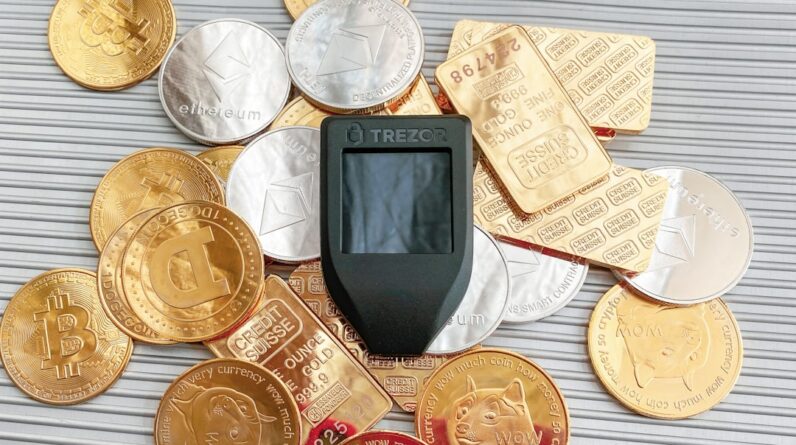
Hardware wallets represent another robust option for securing your cryptocurrency assets. These physical devices store your private keys offline, making them immune to online threats such as hacking or malware attacks. While hardware wallets may come with an upfront cost, many users find the investment worthwhile for the peace of mind they provide. When considering hardware wallets, look for reputable brands known for their security features and user-friendly interfaces.
Examining the Cost and Fees Associated with Different Wallets
As you evaluate various cryptocurrency wallets, it’s crucial to examine the costs and fees associated with each option. While some wallets are free to use, others may charge transaction fees or require an upfront purchase price for hardware wallets. Understanding these costs will help you make an informed decision based on your budget and usage patterns.
For instance, if you’re planning on making frequent transactions, opting for a wallet with lower fees could save you money in the long run. Additionally, consider any hidden fees that may not be immediately apparent. Some wallets may charge fees for specific services such as currency conversion or withdrawal limits.
It’s essential to read the fine print and understand what you’re signing up for before committing to a particular wallet provider. By thoroughly examining costs and fees associated with different wallets, you’ll be better equipped to choose an option that aligns with both your financial goals and security needs.
Seeking Recommendations and Reviews from Experienced Cryptocurrency Users
Finally, one of the best ways to navigate the complex world of cryptocurrency wallets is by seeking recommendations and reviews from experienced users. Engaging with online communities or forums dedicated to cryptocurrency can provide valuable insights into which wallets have proven reliable over time. Many seasoned users are willing to share their experiences—both positive and negative—offering firsthand accounts that can guide your decision-making process.
In addition to community feedback, consider following reputable influencers or experts in the cryptocurrency space who often review various wallets and share their thoughts on security features and usability. Their insights can help you identify which wallets stand out in terms of performance and reliability. By tapping into the collective knowledge of experienced users, you’ll be better positioned to select a cryptocurrency wallet that meets your needs while ensuring the safety of your assets.
In conclusion, choosing the right cryptocurrency wallet involves careful consideration of various factors including types of wallets available, security needs, accessibility features, private key management, provider reputation, advanced security options like multi-signature setups or hardware wallets, associated costs, and community recommendations. By taking the time to evaluate each aspect thoroughly, you’ll be well-equipped to make an informed decision that aligns with both your financial goals and personal preferences in this ever-evolving digital landscape.
FAQs
What is a cryptocurrency wallet?
A cryptocurrency wallet is a digital tool that allows users to store, send, and receive cryptocurrencies such as Bitcoin, Ethereum, and others. It securely stores the user’s private keys, which are needed to access and manage their digital assets.
What are the different types of cryptocurrency wallets?
There are several types of cryptocurrency wallets, including hardware wallets, software wallets (desktop, mobile, and web-based), and paper wallets. Each type has its own security and accessibility features.
How do I choose a cryptocurrency wallet that aligns with my security preferences?
When choosing a cryptocurrency wallet, consider factors such as the wallet’s security features, reputation, and whether it allows you to control your private keys. Hardware wallets are generally considered the most secure option, as they store private keys offline.
How do I choose a cryptocurrency wallet that aligns with my accessibility preferences?
For accessibility, consider factors such as the wallet’s user interface, compatibility with different devices, and ease of use. Mobile and web-based wallets are often more accessible, while hardware wallets may require more technical knowledge to set up and use.
What are some important security features to look for in a cryptocurrency wallet?
Important security features to look for in a cryptocurrency wallet include two-factor authentication, multi-signature support, backup and recovery options, and encryption of private keys. Additionally, choosing a wallet with a strong reputation and a history of security is important.
What are some important accessibility features to look for in a cryptocurrency wallet?
Important accessibility features to look for in a cryptocurrency wallet include a user-friendly interface, compatibility with multiple devices and operating systems, and the ability to easily send and receive funds. Additionally, consider the availability of customer support and resources for troubleshooting.