Currency has undergone a remarkable transformation throughout history, evolving from simple barter systems to the complex financial instruments we use today. In ancient times, people exchanged goods and services directly, relying on mutual needs to facilitate trade. This system, while straightforward, was fraught with challenges, such as the difficulty of finding a trading partner with complementary needs.
As societies grew and economies became more intricate, the limitations of barter led to the development of various forms of currency, including shells, salt, and precious metals. These early currencies were tangible and often held intrinsic value, making them widely accepted as mediums of exchange. As civilizations advanced, so did the concept of currency.
The introduction of coins marked a significant milestone in this evolution. Coins provided a standardized unit of value, making trade more efficient and reliable. The use of paper money emerged later, allowing for larger transactions without the burden of carrying heavy coins.
This shift not only facilitated commerce but also laid the groundwork for modern banking systems. Over time, governments began to issue fiat currency, which derives its value from trust in the issuing authority rather than intrinsic worth. This transition signified a pivotal moment in the history of money, as it allowed for greater flexibility in monetary policy and economic management.
Key Takeaways
- Currency has evolved from bartering to physical coins and paper money to digital forms.
- Digital currency, such as cryptocurrencies, has gained popularity due to its decentralized nature and potential for financial inclusion.
- Technology plays a crucial role in the development and adoption of digital money, enabling secure and efficient transactions.
- Trust in financial institutions is shifting as people seek alternative forms of money that offer greater transparency and security.
- Digital transactions offer convenience and accessibility, allowing people to manage their finances anytime, anywhere.
The Rise of Digital Currency
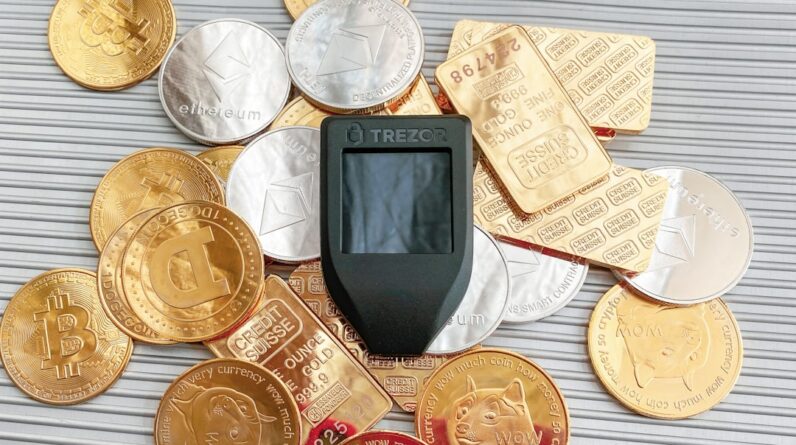
In recent years, the rise of digital currency has revolutionized the way you think about money. Digital currencies, including cryptocurrencies like Bitcoin and Ethereum, have gained significant traction as alternatives to traditional fiat currencies. These decentralized forms of money operate on blockchain technology, which ensures transparency and security in transactions.
The allure of digital currency lies in its potential to bypass traditional financial institutions, offering you greater control over your assets and transactions. As you navigate this new landscape, you may find yourself drawn to the idea of a borderless economy where transactions can occur instantly and with minimal fees. The increasing acceptance of digital currencies by businesses and consumers alike has further fueled their popularity.
Major companies are beginning to integrate cryptocurrency payments into their platforms, allowing you to make purchases using digital assets. This shift not only legitimizes digital currencies but also encourages you to explore their potential benefits. As you become more familiar with this new form of money, you may find that it offers unique advantages such as lower transaction costs, faster cross-border payments, and enhanced privacy features.
However, the volatility associated with cryptocurrencies can also pose risks, prompting you to weigh the pros and cons carefully before diving into this evolving financial landscape.
The Role of Technology in Money

Technology plays a pivotal role in shaping the future of money, influencing how you interact with financial systems and manage your assets. The advent of mobile banking applications has transformed your banking experience, allowing you to conduct transactions from the convenience of your smartphone. With just a few taps, you can transfer funds, pay bills, and monitor your account balances in real-time.
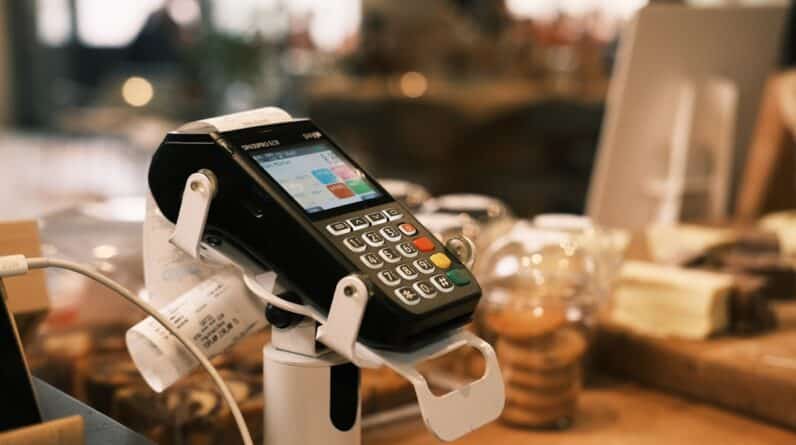
This level of accessibility has empowered you to take control of your finances like never before, enabling you to make informed decisions on the go. Moreover, advancements in payment processing technology have streamlined transactions, making them faster and more efficient. Contactless payment methods, such as near-field communication (NFC) and mobile wallets, have gained popularity for their convenience.
You can now make purchases with a simple wave of your smartphone or smart card, eliminating the need for cash or physical cards. As technology continues to evolve, you can expect even more innovative solutions that enhance your financial interactions. From biometric authentication to artificial intelligence-driven financial advice, the integration of technology into money management is set to redefine your relationship with currency.
Trust in Financial Institutions
Trust is a fundamental component of any financial system, and it plays a crucial role in your interactions with financial institutions. Historically, banks and other financial entities have served as intermediaries that facilitate transactions and safeguard your assets. However, recent events have raised questions about the reliability and integrity of these institutions.
Economic crises and scandals have eroded public confidence in traditional banking systems, prompting you to seek alternatives that align with your values and expectations. As you navigate this landscape, you may find yourself drawn to decentralized finance (DeFi) platforms that offer transparency and autonomy. These platforms operate without intermediaries, allowing you to engage directly with financial services through smart contracts on blockchain networks.
This shift challenges the traditional notion of trust by placing power back into your hands. While DeFi presents exciting opportunities for financial empowerment, it also requires you to exercise caution and conduct thorough research before participating in these emerging systems.
Security and Transparency in Digital Transactions
In an increasingly digital world, security and transparency are paramount when it comes to financial transactions. As you engage with digital currencies and online banking platforms, you may be concerned about the safety of your personal information and assets. Blockchain technology offers a solution by providing a secure and immutable ledger for transactions.
Each transaction is recorded in a decentralized manner, making it nearly impossible for malicious actors to alter or manipulate data. This level of security can instill confidence as you navigate the world of digital finance. Transparency is another key advantage of digital transactions.
With blockchain technology, you can trace the history of a transaction from its inception to its completion. This visibility fosters accountability among participants in the financial ecosystem and helps combat fraud and corruption. As you become more aware of these benefits, you may find yourself more willing to embrace digital currencies and online financial services.
However, it is essential to remain vigilant about potential risks such as phishing attacks or scams that target unsuspecting users.
Convenience and Accessibility of Digital Money

One of the most compelling aspects of digital money is its unparalleled convenience and accessibility. In today’s fast-paced world, you likely appreciate the ability to conduct financial transactions at any time and from anywhere. Digital currencies enable you to send and receive money instantly without being constrained by traditional banking hours or geographical boundaries.
Whether you’re paying for goods online or sending money to a friend across the globe, digital money simplifies these processes significantly. Moreover, digital wallets have made managing your finances more straightforward than ever before. You can store multiple currencies in one place, track your spending habits, and even set budgets—all from your smartphone or computer.
This level of accessibility empowers you to take charge of your financial well-being while eliminating the need for physical cash or cumbersome bank visits. As digital money continues to gain traction, you can expect even more innovations that enhance convenience and streamline your financial interactions.
Social and Cultural Factors in Trusting Invisible Money
The acceptance of invisible money—such as digital currencies—often hinges on social and cultural factors that shape your perceptions of value and trustworthiness. In some cultures, cash remains king; people may be hesitant to embrace digital alternatives due to concerns about security or unfamiliarity with technology. Conversely, in tech-savvy societies where innovation is celebrated, there may be a greater willingness to adopt digital currencies as legitimate forms of payment.
Your personal experiences also play a significant role in shaping your trust in invisible money. If you’ve had positive encounters with digital transactions or have witnessed their benefits firsthand, you’re more likely to embrace them wholeheartedly. On the other hand, negative experiences or stories from friends and family can create skepticism that hinders adoption.
As digital currencies continue to evolve, understanding these social dynamics will be crucial for fostering broader acceptance among diverse populations.
The Future of Invisible Money
As you look ahead to the future of invisible money, it’s clear that we are on the brink of a financial revolution that could reshape how you perceive and interact with currency. The ongoing development of central bank digital currencies (CBDCs) represents a significant step toward mainstream acceptance of digital money. Governments around the world are exploring the potential benefits of CBDCs—such as increased efficiency in monetary policy implementation and enhanced financial inclusion for underserved populations.
Moreover, as technology continues to advance at an unprecedented pace, you can expect innovations that further enhance the functionality and appeal of digital currencies. From improved security measures to user-friendly interfaces that simplify transactions, the future holds exciting possibilities for how you manage your finances. However, it’s essential to remain informed about regulatory developments and potential challenges that may arise as governments seek to balance innovation with consumer protection.
In conclusion, the evolution of currency has brought us to a pivotal moment where digital money is becoming increasingly prevalent in our lives. As you navigate this landscape filled with opportunities and challenges, understanding the role of technology, trust in financial institutions, security measures, convenience factors, social dynamics, and future trends will empower you to make informed decisions about your financial future in an increasingly digital world.
FAQs
What is invisible money?
Invisible money refers to digital or virtual currency that exists only in electronic form and has no physical counterpart, such as cryptocurrencies like Bitcoin or digital payment systems like PayPal.
Why do people trust invisible money?
People trust invisible money because it offers convenience, security, and efficiency in financial transactions. Digital currencies and payment systems often provide faster and cheaper cross-border transactions, lower fees, and increased privacy compared to traditional banking systems.
What are the benefits of using invisible money?
The benefits of using invisible money include accessibility, lower transaction costs, increased security, and the potential for financial inclusion for individuals who may not have access to traditional banking services. Additionally, digital currencies can offer greater transparency and traceability of transactions.
What are the risks associated with invisible money?
Risks associated with invisible money include price volatility, potential for fraud and hacking, lack of consumer protection, and regulatory uncertainty. Additionally, the use of digital currencies for illicit activities and money laundering is a concern for regulators and law enforcement agencies.
How is invisible money regulated?
Regulation of invisible money varies by country and jurisdiction. Some countries have implemented specific regulations for digital currencies and payment systems, while others are still developing regulatory frameworks. Regulatory approaches may include licensing requirements, anti-money laundering measures, and consumer protection regulations.