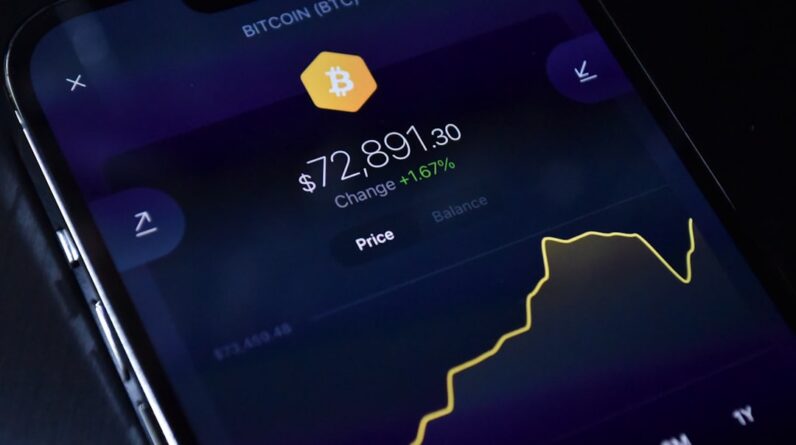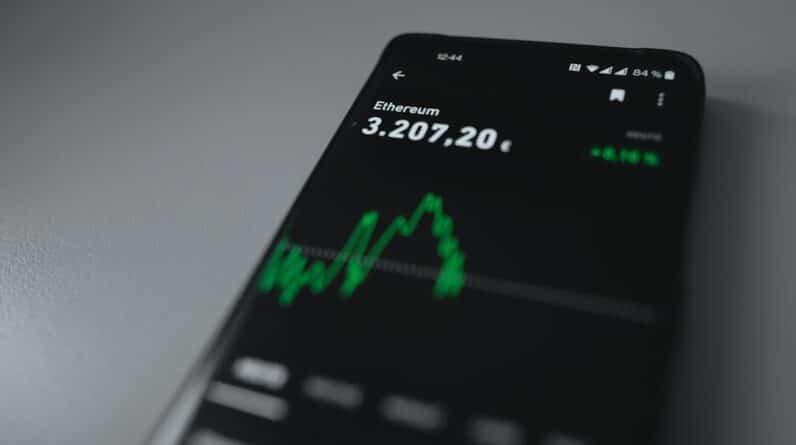
As you delve into the world of cryptocurrency, it’s crucial to grasp the inherent risks that accompany this digital frontier. The volatility of cryptocurrencies is one of the most significant concerns. Prices can fluctuate wildly within a matter of hours, leading to potential gains or devastating losses.
This unpredictability can be daunting, especially for newcomers who may not have the experience to navigate such turbulent waters. Understanding market trends, news events, and technological advancements is essential for making informed decisions. You must be prepared for the possibility that your investments could lose value rapidly, and you should only invest what you can afford to lose.
Moreover, the decentralized nature of cryptocurrencies means that they are not regulated by any central authority. While this can be seen as a benefit, it also opens the door to various risks, including fraud and scams. Without a regulatory body to oversee transactions, you may find yourself vulnerable to malicious actors who exploit the lack of oversight.
It’s vital to educate yourself about common scams and fraudulent schemes that target cryptocurrency users. By being aware of these risks, you can take proactive steps to protect your investments and ensure a safer experience in the crypto space.
Key Takeaways
- Cryptocurrency investment comes with risks such as market volatility and security threats.
- Choose a secure wallet with strong encryption and a good reputation in the industry.
- Implement two-factor authentication to add an extra layer of security to your wallet.
- Regularly back up your wallet to protect against data loss or theft.
- Keep your private keys safe and never share them with anyone to prevent unauthorized access to your funds.
- Consider using a hardware wallet for added security against online threats.
- Be cautious of phishing scams and avoid clicking on suspicious links or providing personal information.
- Stay informed about security best practices and regularly update yourself on the latest security measures in the cryptocurrency space.
Choosing a Secure Wallet
Selecting a secure wallet is one of the most critical steps you can take to safeguard your cryptocurrency assets. There are several types of wallets available, each with its own advantages and disadvantages. Software wallets, which can be downloaded onto your computer or mobile device, offer convenience but may be more susceptible to hacking.
On the other hand, hardware wallets provide an extra layer of security by storing your private keys offline. When choosing a wallet, consider your specific needs and how often you plan to access your cryptocurrency. A balance between security and accessibility is essential.
Additionally, it’s important to research the reputation of the wallet provider. Look for wallets that have been around for a while and have positive reviews from users. A wallet with a strong track record is more likely to have robust security measures in place.
You should also ensure that the wallet supports the specific cryptocurrencies you intend to hold. By taking the time to choose a secure wallet, you can significantly reduce the risk of losing your assets due to theft or hacking.
Implementing Two-Factor Authentication

Two-factor authentication (2FA) is an essential security measure that adds an extra layer of protection to your cryptocurrency accounts. By requiring two forms of verification before granting access, 2FA makes it much more difficult for unauthorized users to gain entry. Typically, this involves something you know, like your password, and something you have, such as a smartphone app that generates a unique code.
Implementing 2FA on your cryptocurrency exchanges and wallets is a straightforward yet effective way to enhance your security. When setting up 2FA, choose an authentication method that suits your lifestyle. While SMS-based 2FA is common, it can be vulnerable to interception.
Instead, consider using an authenticator app like Google Authenticator or Authy, which generates time-sensitive codes that are more secure. By taking this extra step, you significantly reduce the likelihood of falling victim to unauthorized access, ensuring that your cryptocurrency remains safe from prying eyes.
Backing Up Your Wallet
Backing up your wallet is a crucial practice that cannot be overlooked in the realm of cryptocurrency security. A backup ensures that you can recover your funds in case your device is lost, stolen, or damaged. Most wallets provide an option to create a backup file or seed phrase that allows you to restore your wallet on another device.
It’s essential to follow the instructions provided by your wallet provider carefully and create backups regularly. When backing up your wallet, store the backup in a secure location away from your primary device. Consider using a physical medium like a USB drive or even writing down your seed phrase on paper and keeping it in a safe place.
Avoid storing backups in cloud services or on devices connected to the internet, as these can be vulnerable to hacking attempts. By taking these precautions, you ensure that you have access to your cryptocurrency even in unforeseen circumstances.
Keeping Your Private Keys Safe
Your private keys are the keys to your cryptocurrency kingdom; they grant access to your funds and transactions. Therefore, keeping them safe is paramount. Never share your private keys with anyone or store them in easily accessible locations like text files or emails.
Instead, consider using secure methods for storing them, such as hardware wallets or encrypted files on secure devices. Additionally, be cautious about where you enter your private keys. Phishing attacks often target unsuspecting users by creating fake websites that mimic legitimate exchanges or wallets.
Always double-check URLs and ensure you are on the correct site before entering any sensitive information. By being vigilant about where and how you store your private keys, you can significantly reduce the risk of losing access to your cryptocurrency assets.
Using a Hardware Wallet

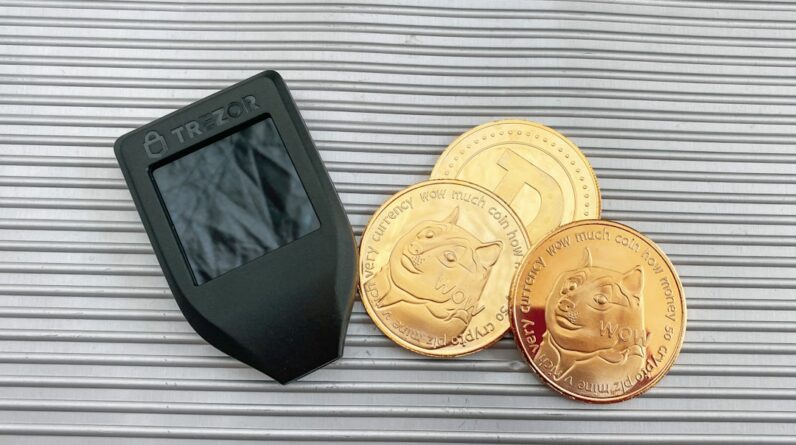
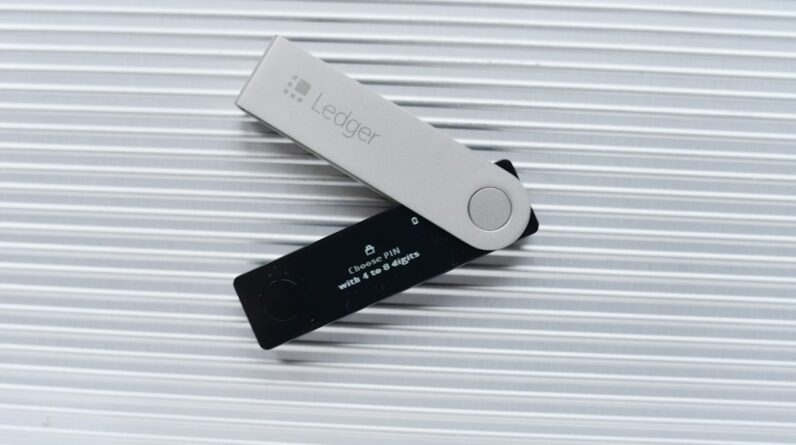
A hardware wallet is one of the most secure options available for storing cryptocurrencies. Unlike software wallets that are connected to the internet, hardware wallets store your private keys offline, making them less susceptible to hacking attempts. When using a hardware wallet, you can safely manage your assets without worrying about online threats.
When selecting a hardware wallet, research various options available on the market and choose one that fits your needs. Look for reputable brands with positive user feedback and strong security features. Once you have acquired a hardware wallet, follow the setup instructions carefully and ensure that you keep it in a safe place when not in use.
By investing in a hardware wallet, you take a significant step toward securing your cryptocurrency holdings against potential threats.
Being Wary of Phishing Scams
Phishing scams are prevalent in the cryptocurrency space and can take many forms, from fake emails to fraudulent websites designed to steal your sensitive information. As you navigate this digital landscape, it’s essential to remain vigilant and skeptical of unsolicited communications asking for personal information or urging immediate action regarding your accounts. To protect yourself from phishing attempts, always verify the source of any communication before clicking on links or providing information.
Check email addresses carefully for any discrepancies and avoid clicking on links in emails unless you are certain they are legitimate. Additionally, bookmark important websites and access them directly rather than through links provided in emails or messages. By staying alert and cautious, you can significantly reduce the risk of falling victim to phishing scams.
Staying Informed About Security Best Practices
The world of cryptocurrency is constantly evolving, with new threats and security practices emerging regularly. To protect yourself effectively, it’s essential to stay informed about the latest developments in cryptocurrency security. Follow reputable news sources, join online communities focused on cryptocurrency discussions, and participate in forums where users share their experiences and insights.
Consider subscribing to newsletters or blogs dedicated to cryptocurrency security topics. These resources often provide valuable information about emerging threats and best practices for safeguarding your assets. By actively seeking out knowledge and remaining engaged with the community, you empower yourself with the tools necessary to navigate the complexities of cryptocurrency safely.
In conclusion, while the world of cryptocurrency offers exciting opportunities for investment and innovation, it also comes with its share of risks and challenges. By understanding these risks and implementing robust security measures—such as choosing secure wallets, enabling two-factor authentication, backing up your wallet, keeping private keys safe, using hardware wallets, being wary of phishing scams, and staying informed—you can significantly enhance your safety in this dynamic environment. Your diligence and proactive approach will not only protect your investments but also contribute to a more secure cryptocurrency ecosystem overall.
FAQs
What is cryptocurrency security?
Cryptocurrency security refers to the measures and practices put in place to protect digital assets such as Bitcoin, Ethereum, and other cryptocurrencies from unauthorized access, theft, and hacking.
Why is cryptocurrency security important?
Cryptocurrency security is important because digital assets are vulnerable to hacking, theft, and fraud. Without proper security measures, cryptocurrency holders risk losing their funds.
What are some best practices for securing cryptocurrency?
Some best practices for securing cryptocurrency include using hardware wallets, enabling two-factor authentication, using strong and unique passwords, keeping software and devices updated, and being cautious of phishing attempts.
What is a hardware wallet and how does it help secure cryptocurrency?
A hardware wallet is a physical device that stores the private keys necessary to access and manage cryptocurrency. It is considered one of the most secure methods for storing cryptocurrency as it is not connected to the internet, making it less vulnerable to hacking.
What is two-factor authentication and how does it enhance cryptocurrency security?
Two-factor authentication (2FA) adds an extra layer of security by requiring users to provide two forms of identification before accessing their cryptocurrency accounts. This typically involves a password and a unique code sent to a mobile device.
What are the risks of not securing cryptocurrency properly?
The risks of not securing cryptocurrency properly include theft, hacking, loss of funds, and potential legal and financial consequences. Without proper security measures, cryptocurrency holders are vulnerable to various forms of fraud and exploitation.