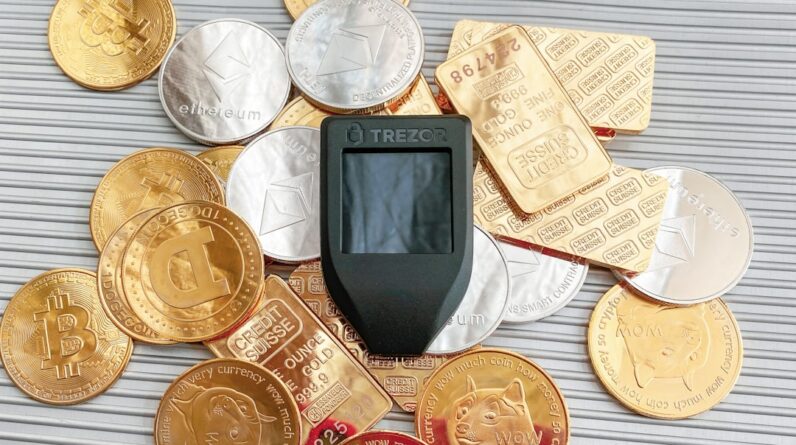
As you delve into the world of digital currency, it’s essential to grasp the various types that exist. Digital currencies can be broadly categorized into cryptocurrencies, stablecoins, and central bank digital currencies (CBDCs). Cryptocurrencies, like Bitcoin and Ethereum, operate on decentralized networks using blockchain technology.
This decentralization means that no single entity controls them, which can provide a sense of security and autonomy for users. On the other hand, stablecoins are pegged to traditional currencies or commodities, aiming to reduce volatility. This makes them an attractive option for those who want to engage in digital transactions without the wild price swings often associated with cryptocurrencies.
Central bank digital currencies represent a new frontier in the digital currency landscape. These are government-backed digital currencies that aim to combine the benefits of digital transactions with the stability of traditional fiat currencies. As you explore these different types, consider how each serves distinct purposes and appeals to various user needs.
Understanding these categories will help you navigate the complexities of the digital currency market and make informed decisions about which types may align with your financial goals.
Key Takeaways
- There are different types of digital currency, including Bitcoin, Ethereum, Ripple, Litecoin, and Stellar, each with its own unique features and purposes.
- Before investing in digital currency, it’s important to consider factors such as the technology behind the currency, its potential for growth, and the risks involved in the market.
- Bitcoin is the pioneer and most well-known digital currency, often considered as a store of value and a hedge against inflation.
- Ethereum is a versatile platform for decentralized applications, offering smart contract functionality and the potential for innovation in various industries.
- Ripple is a digital currency designed for efficient cross-border payments, aiming to provide fast and low-cost transactions for financial institutions and individuals.
Factors to Consider Before Investing in Digital Currency
Before you take the plunge into investing in digital currency, there are several critical factors to consider. First and foremost, you should assess your risk tolerance. The digital currency market is notoriously volatile, with prices capable of swinging dramatically in short periods.
If you are risk-averse or have a low tolerance for financial loss, it may be wise to approach this investment avenue with caution. Establishing a clear understanding of how much you can afford to lose without jeopardizing your financial stability is crucial. Another important factor is the level of research you are willing to undertake.
The digital currency landscape is vast and constantly evolving, with new projects emerging regularly. You should familiarize yourself with the technology behind different currencies, their use cases, and the teams behind them. Engaging with community forums, reading whitepapers, and following industry news can provide valuable insights.
Additionally, consider diversifying your investments across various digital currencies rather than putting all your funds into one asset. This strategy can help mitigate risks and increase your chances of capitalizing on potential growth opportunities.
Bitcoin: The Pioneer and Most Well-Known Digital Currency

Bitcoin stands as the pioneer of digital currencies, having been introduced in 2009 by an anonymous entity known as Satoshi Nakamoto. As you explore Bitcoin, you’ll find that it was designed as a decentralized alternative to traditional currencies, allowing peer-to-peer transactions without the need for intermediaries like banks. Its underlying blockchain technology ensures transparency and security, making it a revolutionary force in the financial world.
Over the years, Bitcoin has gained significant recognition and acceptance, becoming synonymous with the term “cryptocurrency.” Despite its popularity, investing in Bitcoin comes with its own set of challenges. The price of Bitcoin can be highly volatile, influenced by market sentiment, regulatory news, and macroeconomic factors. As you consider investing in Bitcoin, it’s essential to stay informed about these influences and understand that while it has established itself as a store of value akin to digital gold, it is not without risks.
Additionally, Bitcoin’s scalability issues have led to debates about its long-term viability as a medium of exchange. Nevertheless, its status as the first and most well-known digital currency continues to attract investors seeking exposure to this groundbreaking asset.
Ethereum: A Versatile Platform for Decentralized Applications
Ethereum has emerged as a powerful player in the digital currency space since its launch in 2015. Unlike Bitcoin, which primarily serves as a store of value, Ethereum is designed as a platform for decentralized applications (dApps) and smart contracts. This versatility allows developers to create a wide range of applications on its blockchain, from decentralized finance (DeFi) platforms to non-fungible tokens (NFTs).
As you explore Ethereum, you’ll discover that its potential extends far beyond mere currency transactions. Investing in Ethereum offers unique opportunities but also comes with its own set of challenges. The network has faced scalability issues and high transaction fees during periods of increased demand.
However, ongoing upgrades, such as Ethereum 2.0, aim to address these concerns by transitioning from a proof-of-work to a proof-of-stake consensus mechanism. This shift is expected to enhance the network’s efficiency and sustainability. As you consider investing in Ethereum, it’s crucial to stay updated on these developments and understand how they may impact your investment strategy.
Ripple: A Digital Currency for Efficient Cross-Border Payments
Ripple has carved out a niche for itself in the digital currency landscape by focusing on facilitating efficient cross-border payments. Unlike many cryptocurrencies that aim for widespread adoption among consumers, Ripple targets financial institutions and payment providers. Its native digital currency, XRP, serves as a bridge currency for transferring value across different fiat currencies quickly and cost-effectively.
As you explore Ripple’s offerings, you’ll find that its technology aims to streamline international transactions that can often be slow and costly. Investing in Ripple presents unique advantages but also potential risks. The company has established partnerships with numerous banks and financial institutions worldwide, which lends credibility to its use case.
However, regulatory scrutiny has been a significant concern for Ripple, particularly regarding its classification as a security by the U.S. Securities and Exchange Commission (SEC). As you consider investing in Ripple, it’s essential to stay informed about ongoing legal developments and how they may affect the future of XRP and its adoption within the financial sector.
Litecoin: A Faster and Cheaper Alternative to Bitcoin

Litecoin was created in 2011 by Charlie Lee as a “lite” version of Bitcoin, designed to offer faster transaction times and lower fees. As you explore Litecoin’s features, you’ll find that it operates on a similar blockchain technology but with some key differences that enhance its usability for everyday transactions. For instance, Litecoin’s block generation time is approximately 2.5 minutes compared to Bitcoin’s 10 minutes, allowing for quicker confirmations and more efficient transactions.
Investing in Litecoin can be appealing for those looking for an alternative to Bitcoin without sacrificing the benefits of blockchain technology. Its lower transaction fees make it an attractive option for users who want to send smaller amounts without incurring significant costs. However, like all cryptocurrencies, Litecoin is not immune to market volatility and regulatory challenges.
As you consider adding Litecoin to your investment portfolio, it’s essential to weigh its advantages against potential risks while keeping an eye on market trends.
Stellar: A Digital Currency for Financial Inclusion and Low-Cost Transactions
Stellar aims to revolutionize the financial landscape by promoting financial inclusion and enabling low-cost transactions across borders. Founded by Jed McCaleb in 2014, Stellar’s network allows individuals and institutions to send money quickly and affordably regardless of their location or economic status. As you explore Stellar’s mission, you’ll find that it focuses on connecting banks, payment systems, and individuals through its native digital currency, Lumens (XLM).
Investing in Stellar presents an opportunity to support a project with a strong social impact focus while also potentially benefiting from its growth in the digital currency market. The platform’s partnerships with various organizations aim to enhance access to financial services for underserved populations worldwide. However, as with any investment in digital currency, it’s crucial to conduct thorough research and understand the potential risks involved.
Staying informed about Stellar’s developments and partnerships can help you make more informed decisions regarding your investment strategy.
Making an Informed Decision When Investing in Digital Currency
As you navigate the complex world of digital currency investment, it’s vital to approach it with caution and informed decision-making. Understanding the different types of digital currencies available is just the beginning; assessing your risk tolerance and conducting thorough research are equally important steps in your investment journey. Each digital currency offers unique opportunities and challenges that require careful consideration before committing your funds.
Ultimately, staying informed about market trends, technological advancements, and regulatory developments will empower you to make sound investment choices in this rapidly evolving landscape. Whether you’re drawn to Bitcoin’s pioneering status or intrigued by Ethereum’s versatility or Stellar’s mission for financial inclusion, remember that knowledge is your greatest ally in this venture. By making informed decisions based on thorough research and self-awareness of your financial goals, you can navigate the world of digital currency with confidence and purpose.
FAQs
What is digital currency?
Digital currency is a type of currency that is available only in digital or electronic form, and does not have a physical counterpart like paper money or coins. It operates independently of a central bank and is decentralized.
What are some popular digital currencies?
Some popular digital currencies include Bitcoin, Ethereum, Ripple, Litecoin, and Dash. These are just a few examples, as there are many other digital currencies available in the market.
What factors should I consider before investing in a digital currency?
Before investing in a digital currency, it is important to consider factors such as the technology behind the currency, its market value and potential for growth, the team and community behind the currency, and its use cases and adoption.
Which digital currency should I invest in first?
The decision of which digital currency to invest in first depends on individual preferences, risk tolerance, and investment goals. It is important to conduct thorough research and seek professional advice before making any investment decisions.
Is it safe to invest in digital currencies?
Investing in digital currencies carries inherent risks, including price volatility and security concerns. It is important to be cautious and only invest what you can afford to lose. Using reputable exchanges and wallets, and practicing good security measures can help mitigate some of the risks.