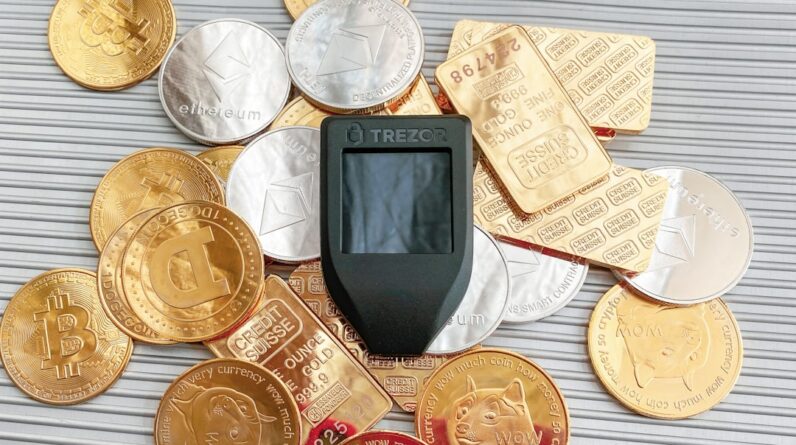
To embark on your journey into the world of cryptocurrency gifting, it’s essential to grasp the fundamental concepts of Bitcoin and Ethereum. Bitcoin, created in 2009 by an anonymous entity known as Satoshi Nakamoto, is the first decentralized digital currency. It operates on a peer-to-peer network, allowing users to send and receive payments without the need for intermediaries like banks.
This revolutionary technology is built on blockchain, a public ledger that records all transactions, ensuring transparency and security. As you delve deeper into Bitcoin, you’ll discover its limited supply of 21 million coins, which contributes to its value and scarcity. On the other hand, Ethereum, launched in 2015 by Vitalik Buterin and others, extends beyond a mere digital currency.
It serves as a platform for decentralized applications (dApps) and smart contracts, which are self-executing contracts with the terms directly written into code. This versatility has made Ethereum a favorite among developers and investors alike. Understanding these two cryptocurrencies will not only enhance your gifting experience but also provide the recipient with valuable knowledge about the digital asset landscape.
Key Takeaways
- Bitcoin and Ethereum are popular cryptocurrencies with different underlying technologies and use cases.
- Consider the recipient’s knowledge and comfort level with technology when choosing the right platform for gifting Bitcoin or Ethereum.
- Setting up a secure and user-friendly wallet for the recipient is crucial for a successful gifting experience.
- When purchasing Bitcoin or Ethereum for gifting, consider factors such as price, fees, and payment methods.
- Transferring Bitcoin or Ethereum to the recipient requires attention to details such as wallet addresses and transaction fees.
Choosing the Right Platform for Gifting
When it comes to gifting Bitcoin or Ethereum, selecting the right platform is crucial for a seamless experience. Numerous exchanges and wallets offer different features, fees, and user experiences. You might want to consider well-known platforms like Coinbase, Binance, or Kraken, which provide user-friendly interfaces and robust security measures.
These platforms often allow you to purchase cryptocurrencies directly with fiat currency, making it easier for you to acquire the desired amount for your gift. Additionally, you should evaluate whether the platform supports easy transfer options. Some platforms allow you to send cryptocurrency directly to another user’s wallet address, while others may require you to withdraw to an external wallet first.
It’s also wise to check for any transaction fees associated with gifting, as these can vary significantly between platforms. By carefully choosing the right platform, you can ensure that your gifting experience is both enjoyable and efficient.
Setting Up a Wallet for the Recipient

Before you can gift Bitcoin or Ethereum, it’s essential to set up a wallet for the recipient if they don’t already have one. A cryptocurrency wallet is a digital tool that allows users to store, send, and receive cryptocurrencies securely. There are various types of wallets available, including hardware wallets, software wallets, and mobile wallets.
Each type has its own advantages and disadvantages, so it’s important to consider what would work best for the recipient. For someone new to cryptocurrency, a software wallet or mobile wallet might be the most user-friendly option. These wallets are typically easy to set up and can be accessed from smartphones or computers.
You can guide the recipient through the process of downloading a wallet app and creating an account. If they are more tech-savvy or plan to hold a significant amount of cryptocurrency long-term, you might suggest a hardware wallet for enhanced security. Regardless of the type chosen, ensure that the recipient understands how to back up their wallet and keep their private keys secure.
Purchasing Bitcoin or Ethereum for Gifting
Once you’ve selected a platform and set up a wallet for the recipient, it’s time to purchase Bitcoin or Ethereum for gifting. Depending on your chosen platform, you’ll typically need to create an account and complete any necessary identity verification processes. After that, you can fund your account using various payment methods such as bank transfers or credit cards.
It’s important to keep an eye on market prices as they can fluctuate rapidly; timing your purchase can make a difference in how much cryptocurrency you’re able to gift. When purchasing Bitcoin or Ethereum, consider how much you want to gift based on your budget and the recipient’s interest in cryptocurrency. You might choose to gift a small amount as an introduction to the world of digital assets or a larger sum if you believe they will appreciate its potential value.
Once you’ve made your purchase, ensure that you have the correct wallet address of the recipient ready for the next step in the gifting process.
Transferring Bitcoin or Ethereum to the Recipient
Transferring Bitcoin or Ethereum to the recipient is a straightforward process once you have completed your purchase. You’ll need to navigate to your wallet or exchange account where your newly acquired cryptocurrency is stored. From there, look for an option that allows you to send or withdraw funds.
Enter the recipient’s wallet address carefully; even a small mistake can result in lost funds that are impossible to recover. After entering the wallet address and specifying the amount you wish to send, review all details before confirming the transaction. Most platforms will provide a summary of the transaction details for your verification.
Once confirmed, the transfer will be processed on the blockchain network. Depending on network congestion and transaction fees paid, this process can take anywhere from a few minutes to several hours. After the transfer is complete, it’s good practice to inform the recipient so they can check their wallet for the incoming funds.
Educating the Recipient on How to Use and Manage Their Gift

After successfully transferring Bitcoin or Ethereum, it’s essential to educate the recipient on how to use and manage their new digital asset. Start by explaining how they can view their balance within their wallet app and how transactions work on the blockchain. Encourage them to explore features such as sending and receiving cryptocurrency, as well as checking transaction history.
Additionally, discuss best practices for managing their cryptocurrency securely. Emphasize the importance of safeguarding their private keys and recovery phrases, as losing access could mean losing their funds permanently. You might also introduce them to concepts like market volatility and how it affects cryptocurrency prices.
By providing this foundational knowledge, you empower them to make informed decisions about their new asset.
Exploring the Tax Implications of Gifting Bitcoin or Ethereum
Gifting Bitcoin or Ethereum comes with certain tax implications that both you and the recipient should be aware of. In many jurisdictions, cryptocurrencies are treated as property rather than currency for tax purposes. This means that if you gift cryptocurrency worth more than a certain threshold (which varies by country), you may need to report it on your tax return.
Familiarize yourself with local regulations regarding gifting limits and potential capital gains taxes. For the recipient, it’s important to understand that if they decide to sell or trade their gifted cryptocurrency in the future, they may be liable for capital gains taxes based on its value at the time of gifting versus its value at sale. Encourage them to keep detailed records of their transactions for tax reporting purposes.
By discussing these implications upfront, you help ensure that both parties are prepared for any potential tax responsibilities associated with their gift.
Tips for Safely and Securely Gifting Bitcoin or Ethereum
As with any financial transaction, safety and security should be top priorities when gifting Bitcoin or Ethereum. Start by ensuring that both you and the recipient use reputable platforms with strong security measures in place. Look for exchanges that offer two-factor authentication (2FA) and cold storage options for added protection against hacks.
Additionally, remind the recipient about common scams in the cryptocurrency space, such as phishing attempts or fraudulent investment schemes. Encourage them to be cautious about sharing personal information online and to verify any unsolicited messages claiming to offer investment opportunities. By taking these precautions together, you can create a safer environment for both parties as they navigate this exciting new world of digital assets.
In conclusion, gifting Bitcoin or Ethereum can be a rewarding experience that introduces someone special to the world of cryptocurrencies. By understanding the basics of these digital assets, choosing the right platform, setting up a wallet, purchasing cryptocurrency thoughtfully, transferring it securely, educating the recipient about its use, exploring tax implications, and prioritizing safety measures, you can ensure that your gift is not only meaningful but also beneficial in the long run. As cryptocurrencies continue to evolve and gain acceptance worldwide, your thoughtful gesture may inspire a lasting interest in this innovative financial landscape.
FAQs
What is Bitcoin and Ethereum?
Bitcoin and Ethereum are both popular cryptocurrencies. Bitcoin was the first cryptocurrency, created in 2009 by an unknown person using the name Satoshi Nakamoto. Ethereum, on the other hand, was proposed in late 2013 by programmer Vitalik Buterin and development was crowdfunded in 2014.
How can I gift Bitcoin or Ethereum?
You can gift Bitcoin or Ethereum by transferring the desired amount from your own wallet to the recipient’s wallet. You will need to know the recipient’s wallet address in order to make the transfer.
Can I buy Bitcoin or Ethereum as a gift card?
Yes, there are platforms that offer gift cards for purchasing Bitcoin or Ethereum. These gift cards can be purchased with fiat currency and then redeemed for the equivalent amount of cryptocurrency.
Are there any fees associated with gifting Bitcoin or Ethereum?
Yes, there are usually transaction fees associated with transferring Bitcoin or Ethereum. These fees can vary depending on network congestion and the amount being transferred.
Is it safe to gift Bitcoin or Ethereum?
As long as you take proper precautions, gifting Bitcoin or Ethereum can be safe. Make sure to double-check the recipient’s wallet address before making a transfer, and consider using a secure and reputable wallet service.