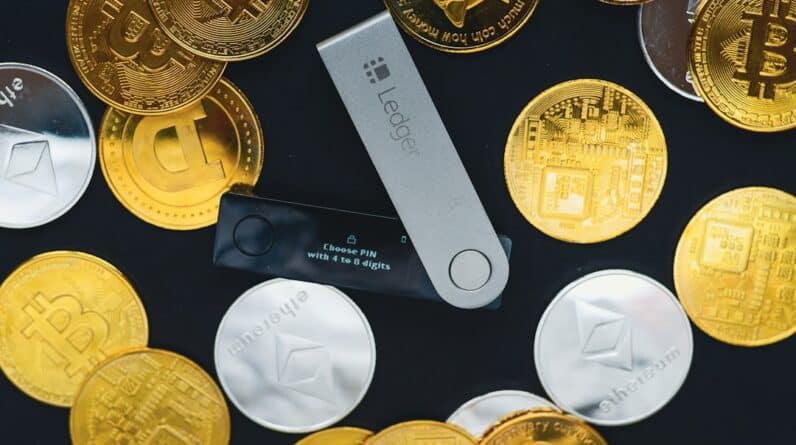
In the digital age, privacy has become a cornerstone of personal freedom and security, especially in the realm of cryptocurrency. As you navigate the complexities of blockchain technology and digital currencies, you may find that privacy is not merely a luxury but a necessity. The decentralized nature of cryptocurrencies like Bitcoin and Ethereum offers a level of anonymity that traditional financial systems cannot provide.
This anonymity is crucial for protecting your financial information from prying eyes, whether they belong to governments, corporations, or malicious actors. The ability to transact without revealing your identity empowers you to maintain control over your financial life. Moreover, the importance of privacy extends beyond individual users; it is vital for the overall health of the cryptocurrency ecosystem.
When you engage in transactions without fear of surveillance, you contribute to a more open and equitable financial system. This environment encourages innovation and participation, allowing new ideas and projects to flourish without the constraints imposed by traditional banking systems. As you consider your role in this evolving landscape, understanding the significance of privacy will help you make informed decisions about your investments and transactions.
Key Takeaways
- Privacy is crucial in cryptocurrency to protect user identities and financial information.
- Balancing transparency and security is a challenge in the cryptocurrency space.
- Privacy concerns in cryptocurrency include the risk of identity theft and financial fraud.
- Privacy coins play a significant role in protecting user identities and transaction details.
- Regulatory efforts are being made to address privacy concerns in cryptocurrency, but challenges remain.
The Challenge of Balancing Transparency and Security in Cryptocurrency
The Transparency Paradox
While privacy is essential, it often stands in stark contrast to the transparency that blockchain technology inherently provides. Each transaction is recorded on a public ledger, accessible to anyone with an internet connection. This transparency is one of the key features that make cryptocurrencies appealing, as it fosters trust among users.
The Duality of Transparency and Security
However, as you delve deeper into this duality, you may realize that achieving a balance between transparency and security is a complex challenge. On one hand, transparency can deter fraud and promote accountability; on the other hand, it can expose your financial activities to unwanted scrutiny. As you engage with various cryptocurrencies, you might find that different projects approach this balance in unique ways.
Striking the Right Balance
Some prioritize transparency to build trust within their communities, while others focus on enhancing privacy features to protect user identities. This ongoing tension raises important questions about how much information you are willing to share and what level of anonymity you require. Striking the right balance is crucial not only for your peace of mind but also for the broader acceptance and legitimacy of cryptocurrencies in mainstream finance.
Privacy Concerns in the Cryptocurrency Space

As you explore the cryptocurrency landscape, it’s essential to be aware of the privacy concerns that have emerged alongside its growth. One significant issue is the potential for tracking and surveillance by both governmental entities and private organizations. With blockchain transactions being publicly accessible, your financial activities can be traced back to your wallet address, leading to a loss of anonymity.
This reality can be particularly concerning if you value your privacy or if you live in a jurisdiction where cryptocurrency use is heavily monitored or restricted. Additionally, data breaches and hacks pose significant risks to your personal information. As cryptocurrency exchanges and wallets store vast amounts of sensitive data, they become prime targets for cybercriminals.
If your information is compromised, it could lead to unauthorized access to your funds or even identity theft. As you navigate this space, it’s crucial to remain vigilant about the platforms you choose to use and the security measures they have in place to protect your data.
The Role of Privacy Coins in Protecting User Identities
In response to growing privacy concerns, privacy coins have emerged as a solution designed specifically to enhance user anonymity. Coins like Monero, Zcash, and Dash utilize advanced cryptographic techniques to obscure transaction details, making it nearly impossible for outsiders to trace transactions back to individual users. As you consider your options within the cryptocurrency market, these privacy coins may offer an appealing alternative if maintaining your anonymity is a top priority.
Using privacy coins can provide you with a greater sense of security when conducting transactions. By obscuring your financial activities from public view, these coins allow you to engage in commerce without fear of being monitored or targeted. However, it’s important to note that while privacy coins offer enhanced anonymity, they also face scrutiny from regulators who are concerned about their potential use in illicit activities.
As you weigh the benefits and drawbacks of using privacy coins, you’ll need to consider how they align with your values and goals within the cryptocurrency space.
Regulatory Efforts to Address Privacy Concerns in Cryptocurrency
As cryptocurrencies continue to gain traction, regulatory bodies around the world are grappling with how to address privacy concerns without stifling innovation. Governments recognize that while privacy is important for individual users, it can also facilitate illegal activities such as money laundering and tax evasion. As a result, many jurisdictions are implementing regulations aimed at increasing transparency while still allowing for some degree of user privacy.
You may find that these regulatory efforts vary significantly from one country to another. In some regions, authorities are taking a more lenient approach, allowing users greater freedom in their transactions. In contrast, other countries are imposing strict regulations that require exchanges and wallet providers to implement Know Your Customer (KYC) protocols and report suspicious activities.
As you navigate this evolving regulatory landscape, staying informed about the laws in your jurisdiction will be crucial for ensuring compliance while protecting your privacy.
The Future of Privacy in Cryptocurrency: Innovations and Challenges

Advancements in Cryptographic Techniques
Innovations such as zero-knowledge proofs and ring signatures are already making waves in the privacy coin space, allowing users to transact with greater confidence. These advancements have the potential to revolutionize the way users interact with cryptocurrency, providing them with greater control over their personal information.
Challenges and Regulatory Hurdles
However, these advancements will not come without challenges. As regulators become more aware of the potential for abuse within the cryptocurrency ecosystem, they may impose stricter regulations that could hinder innovation. Additionally, public perception plays a significant role in shaping the future of privacy in cryptocurrency; if users begin to associate privacy coins solely with illicit activities, it could lead to a backlash against these technologies.
Navigating the Future of Cryptocurrency
As you consider your place in this evolving landscape, staying informed about both innovations and challenges will be essential for navigating the future of cryptocurrency. By staying up-to-date on the latest developments, you can make informed decisions about your involvement in the cryptocurrency space and ensure that you are prepared for the opportunities and challenges that lie ahead.
Best Practices for Balancing Privacy and Security in Cryptocurrency Transactions
To effectively balance privacy and security in your cryptocurrency transactions, adopting best practices is essential. First and foremost, consider using wallets that prioritize security features such as two-factor authentication (2FA) and multi-signature capabilities. These measures can help protect your funds from unauthorized access while still allowing you to maintain some level of anonymity.
Additionally, when engaging in transactions, consider using privacy-enhancing tools such as mixers or tumblers that can obfuscate your transaction history. While these tools can enhance your anonymity, it’s important to use them responsibly and understand any potential legal implications associated with their use. Furthermore, always stay informed about the latest security threats and best practices within the cryptocurrency space; being proactive about your security will help ensure that your financial activities remain private.
The Impact of Privacy on the Adoption and Use of Cryptocurrency
Ultimately, the level of privacy afforded by cryptocurrencies will significantly impact their adoption and use among individuals and businesses alike. As more people become aware of the importance of protecting their financial information, they may gravitate toward cryptocurrencies that prioritize user anonymity. This shift could lead to increased demand for privacy coins and other solutions designed to enhance user security.
Conversely, if regulatory pressures continue to mount against privacy-enhancing technologies, it could hinder broader adoption by creating an environment of fear or uncertainty among potential users. As you engage with cryptocurrencies, consider how privacy factors into your decision-making process; understanding its implications will not only shape your own experience but also influence the future trajectory of the entire cryptocurrency ecosystem. By advocating for a balanced approach that respects both privacy and security concerns, you can contribute to a more equitable financial landscape for all users.
FAQs
What is cryptocurrency?
Cryptocurrency is a digital or virtual form of currency that uses cryptography for security and operates independently of a central bank. It uses decentralized technology, typically a blockchain, to gain transparency and security.
How does cryptocurrency provide privacy?
Cryptocurrency provides privacy through the use of pseudonymous transactions, meaning that the identities of the parties involved are not directly linked to their real-world identities. This can provide a level of privacy and anonymity for users.
What are the security concerns with cryptocurrency?
Security concerns with cryptocurrency include the risk of hacking, fraud, and theft. Since cryptocurrency transactions are irreversible, there is a risk of losing funds if a transaction is compromised.
How can transparency be balanced with privacy in cryptocurrency?
Transparency in cryptocurrency can be balanced with privacy through the use of technologies such as zero-knowledge proofs and ring signatures, which allow for verification of transactions without revealing the identities of the parties involved.
What are the regulatory challenges related to cryptocurrency and privacy?
Regulatory challenges related to cryptocurrency and privacy include concerns about money laundering, terrorist financing, and tax evasion. Regulators are working to develop frameworks that balance the need for privacy with the need to prevent illicit activities.