

How to Invest in Cryptocurrency for Beginners
As you embark on your journey into the world of cryptocurrency, it’s essential to grasp the fundamental concepts that underpin this digital revolution. Cryptocurrency is a form of digital or virtual currency that uses cryptography for security, making it nearly impossible to counterfeit or double-spend. Unlike traditional currencies issued by governments, cryptocurrencies operate on decentralized networks based on blockchain technology.
This decentralized nature means that no single entity, such as a bank or government, has control over the currency, which can be both liberating and daunting. You may find it fascinating that the first cryptocurrency, Bitcoin, was created in 2009 by an anonymous person or group known as Satoshi Nakamoto. Since then, thousands of alternative cryptocurrencies, often referred to as altcoins, have emerged, each with unique features and purposes.
Understanding the underlying technology and the principles of decentralization can empower you to make informed decisions as you navigate this complex landscape. As you delve deeper, you’ll discover how cryptocurrencies can serve various functions, from facilitating peer-to-peer transactions to enabling smart contracts and decentralized applications.
Key Takeaways
- Cryptocurrency is a digital or virtual form of currency that uses cryptography for security and operates independently of a central bank.
- When choosing the right cryptocurrency, consider factors such as technology, team, community, and market demand.
- Setting up a wallet is essential for storing, sending, and receiving cryptocurrencies. It can be hardware, software, or paper-based.
- Research and analyze the market to understand the trends, news, and factors that can impact the value of cryptocurrencies.
- Creating a diversified portfolio helps spread risk and maximize potential returns by investing in different types of cryptocurrencies.
- Stay informed and updated on the latest news, regulations, and developments in the cryptocurrency market.
- Understand the risks associated with cryptocurrency, including volatility, security threats, and regulatory uncertainty.
- Seek professional advice from financial advisors or experts in cryptocurrency before making investment decisions.
Choosing the Right Cryptocurrency
With thousands of cryptocurrencies available, selecting the right one can feel overwhelming. It’s crucial to approach this decision with a clear strategy. Start by identifying your investment goals.
Are you looking for long-term growth, or are you interested in short-term trading? Your objectives will significantly influence your choice of cryptocurrency. For instance, if you’re seeking stability and long-term potential, established coins like Bitcoin or Ethereum might be more appealing.
On the other hand, if you’re willing to take risks for potentially higher rewards, exploring lesser-known altcoins could be worthwhile. Once you’ve defined your goals, it’s time to conduct thorough research on the cryptocurrencies that pique your interest. Look into their use cases, market capitalization, and the teams behind them.
A project with a strong development team and a clear roadmap is often more promising than one with vague goals and little community support. Additionally, consider the technology behind each cryptocurrency; some may offer innovative solutions to real-world problems, while others may lack substance and depth. By carefully evaluating these factors, you can make a more informed decision about which cryptocurrencies align with your investment strategy.
Setting Up a Wallet

After choosing your preferred cryptocurrency, the next step is to set up a secure wallet to store your digital assets. A cryptocurrency wallet is a software application or hardware device that allows you to send, receive, and manage your cryptocurrencies. There are several types of wallets available, each with its advantages and disadvantages.
Software wallets, which can be desktop or mobile applications, offer convenience and ease of access but may be more vulnerable to hacking. In contrast, hardware wallets provide enhanced security by storing your private keys offline, but require a bit more effort to set up. When setting up your wallet, it’s essential to prioritize security.
Choose a reputable wallet provider and enable two-factor authentication whenever possible. Additionally, ensure that you back up your wallet and store your recovery phrase in a secure location. This phrase is crucial for recovering your funds if you lose access to your wallet.
As you familiarize yourself with the wallet interface, take the time to explore its features and functionalities. Understanding how to manage your wallet effectively will help you navigate your investments more efficiently and reduce the risk of costly mistakes.
Researching and Analyzing the Market
To succeed in cryptocurrency investing, staying informed about market trends and developments is vital. The cryptocurrency market is highly volatile and can change rapidly in response to various factors, including regulatory news, technological advancements, and market sentiment. Regularly monitoring news sources, social media platforms, and cryptocurrency forums can provide valuable insights into market movements and emerging trends.
Engaging with the community can also help you gain different perspectives and identify potential opportunities. In addition to following news updates, consider utilizing analytical tools and resources to assess market performance. Websites that track price movements, trading volumes, and market capitalization can help you make data-driven decisions.
Technical analysis involves studying price charts and patterns to predict future price movements based on historical data. While it may seem complex at first, learning the basics of technical analysis can enhance your ability to make informed trading decisions. By combining fundamental research with technical analysis, you can develop a well-rounded understanding of the market.
Creating a Diversified Portfolio
As you begin investing in cryptocurrencies, creating a diversified portfolio is crucial for managing risk and maximizing potential returns. Diversification involves spreading your investments across different assets rather than putting all your funds into a single cryptocurrency. This strategy can help mitigate losses if one asset underperforms while allowing you to capitalize on gains from others.
Consider allocating your investments across various categories of cryptocurrencies, such as established coins like Bitcoin and Ethereum, promising altcoins, and even stablecoins that are pegged to traditional currencies. When building your portfolio, it’s essential to strike a balance between risk and reward. While it may be tempting to invest heavily in high-risk altcoins with the potential for significant returns, it’s wise to include more stable assets as well.
Regularly reassess your portfolio in light of changing market conditions and your evolving investment goals. As you gain experience and knowledge in the cryptocurrency space, you may find opportunities to adjust your allocations or explore new projects that align with your strategy.
Staying Informed and Updated
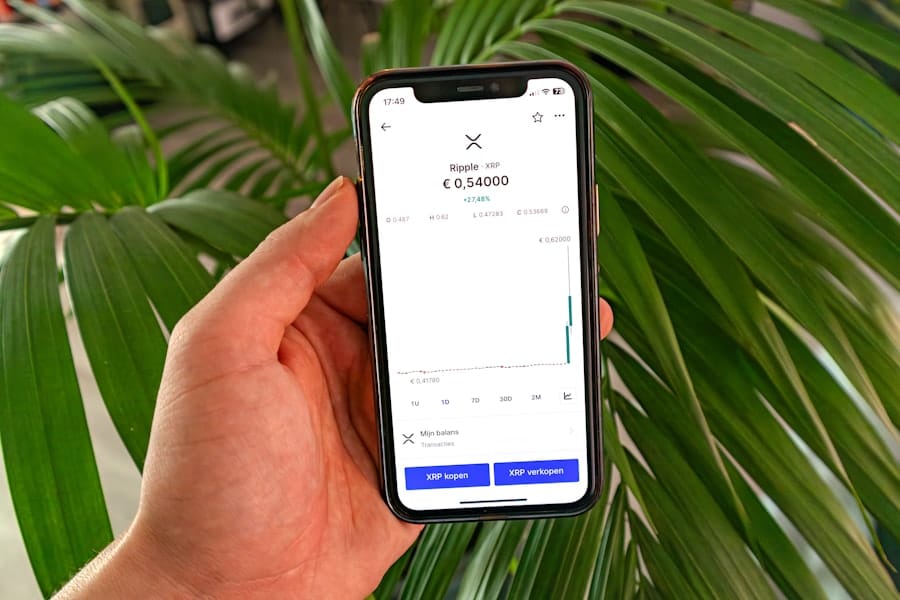
In the fast-paced world of cryptocurrency, staying informed is crucial for making informed investment decisions. The landscape is constantly evolving, with new projects emerging and existing ones adapting to changing market conditions. To stay informed about these developments, consider subscribing to reputable cryptocurrency news outlets and following influential figures in the industry on social media platforms.
Engaging with online communities can also provide valuable insights and foster discussions about trends and potential investment opportunities. Additionally, attending cryptocurrency conferences or webinars can enhance your understanding of the market while allowing you to network with other investors and industry professionals. These events often feature expert speakers who share their knowledge about emerging technologies and market trends.
By actively seeking out information and engaging with others in the community, you’ll be better equipped to navigate the complexities of the cryptocurrency market.
Understanding the Risks
While investing in cryptocurrency can offer significant rewards, it’s essential to recognize the inherent risks involved. The market’s volatility means that prices can fluctuate dramatically within short periods, leading to potential losses for investors who are unprepared for such swings. Additionally, regulatory changes can impact the legality and viability of specific cryptocurrencies, creating uncertainty for investors.
Understanding these risks is crucial for developing a sound investment strategy. To mitigate risks, consider implementing risk management techniques such as setting stop-loss orders or only investing what you can afford to lose. Diversifying your portfolio can also help spread risk across different assets.
Furthermore, maintaining a long-term perspective can prevent emotional decision-making during market downturns. By acknowledging the risks associated with cryptocurrency investing and taking proactive steps to manage them, you can navigate this exciting yet unpredictable landscape more effectively.
Seeking Professional Advice
As you delve deeper into cryptocurrency investing, seeking professional advice can provide valuable guidance tailored to your unique financial situation and goals. Financial advisors specializing in cryptocurrencies can help you navigate the complexities of this emerging asset class, offering insights into risk management strategies and portfolio diversification techniques. They can also help align your investments with your overall financial plan.
When selecting a financial advisor, consider one with experience in cryptocurrency markets who understands both traditional finance principles and the intricacies of digital assets. A knowledgeable advisor can help you make informed decisions while ensuring that your investments align with your risk tolerance and long-term objectives. By leveraging professional expertise alongside your research efforts, you’ll be better positioned to succeed in the dynamic world of cryptocurrency investing.
Navigating the world of cryptocurrency requires a blend of knowledge, strategy, and ongoing education. By understanding the fundamentals of cryptocurrency, choosing wisely among various options, setting up secure wallets, researching market trends, diversifying your portfolio, staying informed about developments, recognizing risks, and seeking professional advice when needed, you can position yourself for success in this exciting financial frontier.
As you embark on this journey, remember that patience and diligence are key. The world of cryptocurrency is ever-evolving, but it is also filled with opportunities for those willing to learn and adapt.
FAQs
What is cryptocurrency?
Cryptocurrency is a digital or virtual form of currency that uses cryptography for security and operates independently of a central bank.
How can beginners invest in cryptocurrency?
Beginners can invest in cryptocurrency by opening an account on a cryptocurrency exchange, purchasing cryptocurrency with fiat currency, and storing it in a digital wallet.
What are the risks of investing in cryptocurrency?
The risks of investing in cryptocurrency include price volatility, security threats, regulatory uncertainty, and the potential for fraud and scams.
What are the popular cryptocurrencies for beginners to invest in?
Popular cryptocurrencies for beginners to invest in include Bitcoin, Ethereum, Litecoin, and Ripple.
What are the factors to consider before investing in cryptocurrency?
Before investing in cryptocurrency, beginners should consider factors such as their risk tolerance, investment goals, the underlying technology of the cryptocurrency, and prevailing market trends.
What are the different investment strategies for cryptocurrency?
Different investment strategies for cryptocurrency include long-term holding, day trading, and diversifying the investment portfolio with multiple cryptocurrencies.
What are the tax implications of investing in cryptocurrency?
The tax implications of investing in cryptocurrency vary by country; however, cryptocurrency investments are generally subject to capital gains tax and must be reported to the relevant tax authorities.
RELATED TOPICS ABOUT How to Invest in Cryptocurrency for Beginners:
Beginner Crypto Investing Guide
How to Start Cryptocurrency Investment
Cryptocurrency Investment Tips for Beginners
Best Crypto to Invest in for Beginners
Step-by-step Crypto Investment for Beginners
Simple Way to Invest in Cryptocurrency
Easy Crypto Investment Methods
Beginner-friendly Crypto Exchanges
First-time Cryptocurrency Investor Tips
How to Buy Cryptocurrency for Beginners
How to Invest in Crypto Without Experience
How Much to Invest in Crypto As a Beginner
Safest Cryptocurrencies for Beginners
How to Avoid Crypto Scams for Beginners
Best Apps to Invest in Cryptocurrency
Cryptocurrency Investing 101
Crypto Investing Mistakes Beginners Should Avoid
Best Beginner Crypto Wallets
How to Research Cryptocurrencies Before Investing
Is Cryptocurrency a Good Investment for Beginners?
Learn Crypto Investing for Beginners
Beginner Guide to Buying Bitcoin
Crypto Basics for First-time Investors
How to Get Started with Crypto Safely
Intro to Blockchain and Crypto Investing
==========
Content 10/10/G