In recent years, the financial landscape has undergone a significant transformation, with the emergence of cryptocurrencies challenging the long-standing paradigms of traditional investment management. As you delve into this evolving world, you will find that the juxtaposition of crypto assets and conventional investments presents both intriguing opportunities and formidable challenges. Traditional investment management has long relied on established asset classes such as stocks, bonds, and real estate, which are governed by well-defined regulations and market behaviors.
However, the rise of digital currencies has introduced a new dimension to investing, characterized by volatility, innovation, and a decentralized approach. As you explore this dynamic environment, it becomes clear that understanding the fundamentals of both crypto and traditional investment management is essential. The principles of risk assessment, portfolio diversification, and market analysis remain relevant, yet they must be adapted to accommodate the unique characteristics of cryptocurrencies.
This article aims to provide you with insights into the rise of crypto in the investment landscape, the challenges faced by traditional investment managers, and the regulatory frameworks that govern this new asset class. By examining these elements, you will gain a comprehensive understanding of how to navigate the changing investment landscape.
Key Takeaways
- Crypto investments have gained significant traction in the investment landscape, challenging traditional investment management practices.
- Traditional investment management faces both challenges and opportunities in adapting to the rise of crypto investments.
- Regulatory and compliance issues in crypto investments present a unique set of challenges for traditional investment management firms.
- Integrating crypto into traditional investment portfolios requires careful consideration of risk management and diversification strategies.
- Technology plays a crucial role in shaping the future of investment management, especially in the context of the evolving crypto landscape.
The Rise of Crypto in the Investment Landscape
Driving Forces Behind the Cryptocurrency Boom
This newfound interest is fueled by a combination of factors, including technological advancements, increased accessibility, and a growing acceptance of blockchain technology as a legitimate means of conducting transactions. Moreover, the rise of decentralized finance (DeFi) has further propelled the integration of crypto into mainstream investment strategies.
The Power of Decentralized Finance
DeFi platforms offer innovative financial services such as lending, borrowing, and trading without the need for traditional intermediaries. As you explore these developments, you will see how they empower individuals to take control of their financial futures while simultaneously challenging the traditional banking system.
A New Era of Financial Inclusion
The allure of high returns and the potential for financial inclusion have made cryptocurrencies an attractive option for many investors looking to diversify their portfolios.
Challenges and Opportunities for Traditional Investment Management

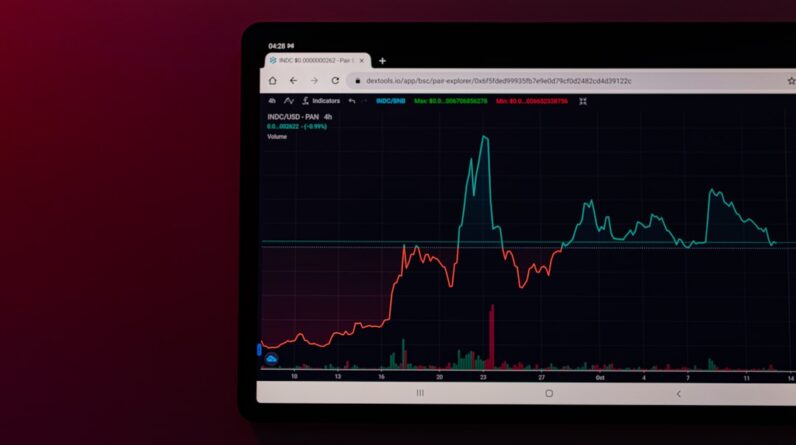
As you navigate the intersection of crypto and traditional investment management, it becomes evident that this new asset class presents both challenges and opportunities for established financial institutions. One significant challenge lies in the inherent volatility of cryptocurrencies. Unlike traditional assets that often exhibit more stable price movements, crypto markets can experience dramatic fluctuations within short timeframes.
This volatility can pose risks for traditional investment managers who are accustomed to more predictable market behaviors. However, within these challenges lie opportunities for innovation and adaptation. Traditional investment managers can leverage their expertise in risk management to develop strategies that incorporate cryptocurrencies while mitigating potential downsides.
By embracing a diversified approach that includes both traditional assets and digital currencies, you can create a more resilient portfolio that capitalizes on the growth potential of crypto while managing risk effectively. This hybrid model not only enhances your investment strategy but also positions you at the forefront of a rapidly evolving financial landscape.
Regulatory and Compliance Issues in Crypto Investments
As you delve deeper into the world of crypto investments, it is crucial to understand the regulatory and compliance issues that accompany this asset class. The decentralized nature of cryptocurrencies poses unique challenges for regulators who seek to establish frameworks that protect investors while fostering innovation. You may find that different countries have adopted varying approaches to cryptocurrency regulation, leading to a patchwork of rules that can be confusing for investors.
In many jurisdictions, regulatory bodies are grappling with how to classify cryptocurrencies—whether as commodities, securities, or currencies—each classification carrying its own set of compliance requirements. As an investor, staying informed about these regulations is essential to ensure that your investments align with legal standards. Additionally, as regulatory clarity improves over time, you may find that increased oversight can enhance market stability and investor confidence in cryptocurrencies.
The Integration of Crypto into Traditional Investment Portfolios
Integrating cryptocurrencies into traditional investment portfolios is an evolving practice that requires careful consideration and strategic planning. As you contemplate this integration, it is essential to assess your risk tolerance and investment objectives. Cryptocurrencies can offer substantial growth potential; however, their volatility necessitates a balanced approach to portfolio construction.
One effective strategy is to allocate a small percentage of your overall portfolio to crypto assets while maintaining a core allocation to traditional investments. This approach allows you to benefit from the potential upside of digital currencies without exposing yourself to excessive risk. Additionally, as you monitor market trends and developments in the crypto space, you may find opportunities to adjust your allocations based on changing market conditions.
By adopting a proactive stance toward portfolio management, you can navigate the complexities of integrating crypto into your investment strategy.
The Impact of Crypto on Risk Management and Diversification

The introduction of cryptocurrencies into your investment strategy can significantly impact your approach to risk management and diversification. Traditional investment managers often rely on asset correlation to mitigate risk; however, cryptocurrencies exhibit unique behaviors that can challenge conventional wisdom. As you explore this aspect further, you will discover that certain cryptocurrencies may not correlate with traditional asset classes like stocks or bonds, providing an opportunity for enhanced diversification.
By incorporating crypto assets into your portfolio, you can potentially reduce overall volatility and improve risk-adjusted returns. This diversification effect arises from the fact that cryptocurrencies often respond differently to macroeconomic factors compared to traditional investments. As you analyze historical performance data, you may find instances where crypto assets have acted as a hedge against inflation or economic downturns, further solidifying their role in modern investment strategies.
The Role of Technology in Shaping the Future of Investment Management
Technology plays a pivotal role in shaping the future of investment management, particularly in relation to cryptocurrencies. As you immerse yourself in this landscape, you will encounter various technological advancements that are revolutionizing how investments are managed and traded. Blockchain technology serves as the backbone of cryptocurrencies, enabling secure and transparent transactions while eliminating intermediaries.
Moreover, advancements in artificial intelligence (AI) and machine learning are transforming investment strategies by providing data-driven insights and predictive analytics. These technologies empower investors like yourself to make informed decisions based on real-time market data and trends. As you embrace these innovations, you will find that they enhance your ability to navigate the complexities of both traditional and crypto investments effectively.
Navigating the Changing Investment Landscape
In conclusion, navigating the changing investment landscape requires a keen understanding of both traditional investment management principles and the emerging world of cryptocurrencies. As you reflect on the insights presented in this article, it becomes clear that embracing innovation while remaining grounded in established practices is essential for success in today’s financial markets. The rise of crypto presents both challenges and opportunities that can reshape your investment strategies.
By integrating cryptocurrencies into your portfolio thoughtfully and staying informed about regulatory developments, you position yourself to capitalize on the growth potential of this dynamic asset class. Furthermore, leveraging technology will enhance your ability to manage risk and make informed decisions in an increasingly complex environment. As you embark on this journey through the evolving world of investments, remember that adaptability and continuous learning will be your greatest allies in navigating this exciting landscape.
FAQs
What is the impact of crypto on traditional investment management?
The impact of crypto on traditional investment management includes the introduction of new asset classes, changes in investment strategies, and the need for increased regulatory oversight.
How has the rise of crypto affected traditional investment management?
The rise of crypto has led to increased interest in alternative investments, changes in risk management practices, and the adoption of new technology for investment analysis and trading.
What are some challenges traditional investment managers face due to the growth of crypto?
Some challenges traditional investment managers face due to the growth of crypto include understanding the complexities of the crypto market, managing the risks associated with crypto investments, and navigating the evolving regulatory landscape.
What opportunities does crypto present for traditional investment management?
Crypto presents opportunities for traditional investment management such as diversification of investment portfolios, access to new sources of alpha, and the potential for higher returns in a low-interest-rate environment.
How are traditional investment managers adapting to the impact of crypto?
Traditional investment managers are adapting to the impact of crypto by incorporating crypto assets into their investment strategies, hiring experts in blockchain and cryptocurrency, and developing new investment products tailored to the crypto market.