Cryptocurrency has emerged as a revolutionary force in the financial landscape, captivating the attention of investors, technologists, and everyday individuals alike. You may have heard the term thrown around in conversations or seen it trending on social media, but what exactly is cryptocurrency? At its core, cryptocurrency is a digital or virtual form of currency that uses cryptography for security.
Unlike traditional currencies issued by governments, cryptocurrencies operate on decentralized networks based on blockchain technology. This decentralization means that no single entity, such as a bank or government, has control over the currency, which can lead to greater transparency and reduced risk of fraud. As you delve deeper into the world of cryptocurrency, you will discover that it offers a myriad of opportunities and challenges.
The allure of potentially high returns has drawn many to invest in various cryptocurrencies, while others are intrigued by the technology that underpins them. However, with these opportunities come risks, including market volatility and regulatory uncertainties. Understanding the fundamentals of cryptocurrency is essential for anyone looking to navigate this complex and rapidly evolving space.
Key Takeaways
- Cryptocurrency is a digital or virtual form of currency that uses cryptography for security and operates independently of a central bank.
- Blockchain technology is the underlying technology behind cryptocurrencies, which is a decentralized and distributed ledger that records all transactions across a network of computers.
- There are various types of cryptocurrencies, including Bitcoin, Ethereum, Ripple, and Litecoin, each with its own unique features and uses.
- To buy and store cryptocurrencies, one can use cryptocurrency exchanges and digital wallets, which provide a secure way to manage and store digital assets.
- Trading and investing in cryptocurrencies can be done through cryptocurrency exchanges and trading platforms, but it’s important to research and understand the market before getting involved.
Understanding Blockchain Technology
To truly grasp the significance of cryptocurrency, you must first understand blockchain technology, the backbone of most cryptocurrencies. Blockchain is a distributed ledger that records all transactions across a network of computers. Each transaction is grouped into a block, which is then linked to the previous block, forming a chain.
This structure ensures that once a transaction is recorded, it cannot be altered or deleted without the consensus of the network participants. As you explore this technology, you will appreciate its potential to enhance security and transparency in various applications beyond just currency. The decentralized nature of blockchain means that it operates without a central authority, making it resistant to censorship and fraud.
When you engage with cryptocurrencies, you are essentially participating in a system where trust is established through cryptographic algorithms rather than intermediaries. This shift has profound implications for industries ranging from finance to supply chain management. As you learn more about blockchain, you may find yourself considering how this technology could reshape not only financial transactions but also data management and record-keeping in countless sectors.
Types of Cryptocurrencies

As you venture further into the cryptocurrency realm, you’ll encounter a diverse array of digital currencies, each with its unique features and purposes. Bitcoin, created in 2009 by an anonymous entity known as Satoshi Nakamoto, is the first and most well-known cryptocurrency. It serves as a digital gold, often viewed as a store of value and a hedge against inflation.
However, Bitcoin is just the tip of the iceberg. You will discover thousands of alternative cryptocurrencies, commonly referred to as altcoins, each designed to address specific use cases or improve upon Bitcoin’s limitations. Ethereum is another prominent player in the cryptocurrency space, known for its smart contract functionality.
Smart contracts are self-executing contracts with the terms directly written into code, allowing for automated transactions without intermediaries. As you explore other altcoins like Ripple (XRP), Litecoin (LTC), and Cardano (ADA), you’ll notice that each has its unique selling points and target markets. Understanding these differences will empower you to make informed decisions about which cryptocurrencies align with your investment goals or technological interests.
How to Buy and Store Cryptocurrencies
Once you’ve identified which cryptocurrencies pique your interest, the next step is acquiring them. Buying cryptocurrencies can be done through various platforms known as exchanges. These exchanges allow you to trade traditional currencies like USD or EUR for cryptocurrencies like Bitcoin or Ethereum.
As you navigate these platforms, it’s essential to choose reputable exchanges that prioritize security and user experience. You may also want to consider factors such as transaction fees and available trading pairs when selecting an exchange. After purchasing your cryptocurrencies, storing them securely is crucial to protect your investment from theft or loss.
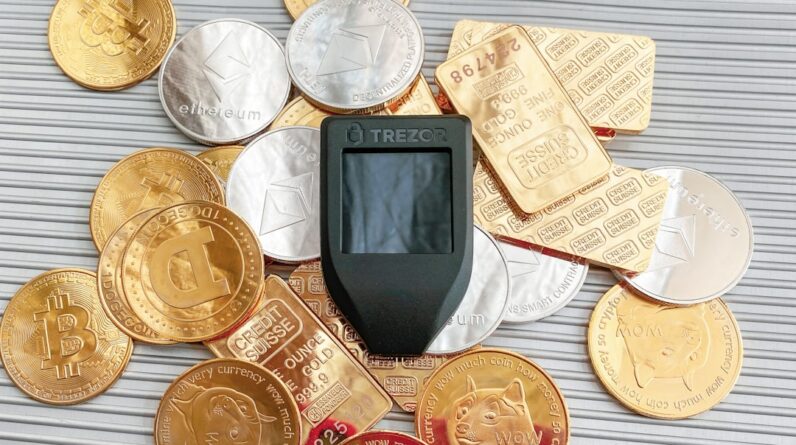
You have several options for storing your digital assets, including hot wallets and cold wallets. Hot wallets are connected to the internet and offer convenience for frequent trading but are more vulnerable to hacking attempts. On the other hand, cold wallets are offline storage solutions that provide enhanced security for long-term holding.
As you weigh your options, consider your trading habits and risk tolerance to determine the best storage solution for your needs.
Trading and Investing in Cryptocurrencies
Engaging in cryptocurrency trading or investing can be both exhilarating and daunting. If you’re looking to trade cryptocurrencies actively, you’ll need to familiarize yourself with various trading strategies and market analysis techniques. Day trading involves making quick trades based on short-term price movements, while swing trading focuses on capturing gains over a more extended period.
As you develop your trading skills, you’ll also want to stay informed about market trends and news that could impact prices. For those who prefer a more passive approach, investing in cryptocurrencies can be an attractive option. Long-term investors often adopt a buy-and-hold strategy, believing that certain cryptocurrencies will appreciate significantly over time.
Regardless of your approach—whether trading or investing—it’s essential to conduct thorough research and understand the risks involved. The cryptocurrency market is notoriously volatile, and prices can fluctuate dramatically within short periods. By staying informed and developing a solid strategy, you can navigate this exciting yet unpredictable landscape.
Security and Safety Measures for Cryptocurrency

As you immerse yourself in the world of cryptocurrency, prioritizing security is paramount. The decentralized nature of cryptocurrencies means that once transactions are made, they cannot be reversed or recovered without proper safeguards in place. To protect your assets from potential threats such as hacking or phishing attacks, consider implementing several security measures.
Using strong passwords and enabling two-factor authentication on your accounts can significantly enhance your security posture. Additionally, being cautious about where you share your private keys is crucial. Your private key is essentially your access code to your cryptocurrency holdings; if someone gains access to it, they can control your assets entirely.
You should also be wary of unsolicited messages or emails claiming to offer investment opportunities or account recovery assistance—these are often tactics used by scammers. By staying vigilant and adopting best practices for security, you can help safeguard your investments in this dynamic environment.
Tax Implications of Cryptocurrency
As you navigate the world of cryptocurrency investing and trading, it’s essential to understand the tax implications associated with these activities. In many jurisdictions, cryptocurrencies are treated as property rather than currency for tax purposes. This means that any gains or losses from buying and selling cryptocurrencies may be subject to capital gains tax.
You should keep detailed records of your transactions, including dates, amounts, and prices at which you bought or sold your assets. Additionally, if you’re earning income through cryptocurrency—such as mining or receiving payments in crypto—this income may also be taxable. The rules surrounding cryptocurrency taxation can vary significantly depending on where you live, so it’s advisable to consult with a tax professional who understands the nuances of cryptocurrency regulations in your jurisdiction.
By staying informed about your tax obligations, you can avoid potential pitfalls and ensure compliance with local laws.
Future Trends in the Cryptocurrency Market
Looking ahead, the future of cryptocurrency holds immense potential for innovation and growth. As more individuals and institutions recognize the value of digital currencies and blockchain technology, you may witness increased adoption across various sectors. Financial institutions are exploring ways to integrate cryptocurrencies into their services, while businesses are beginning to accept crypto payments as a legitimate form of transaction.
Moreover, advancements in technology could lead to new developments within the cryptocurrency space itself. For instance, improvements in scalability and transaction speed may enhance user experience and broaden adoption among mainstream users. Additionally, regulatory clarity could pave the way for more institutional investment in cryptocurrencies, further legitimizing this asset class.
As you keep an eye on these trends, you’ll be better positioned to understand how they may impact your investment strategies and engagement with cryptocurrencies in the years to come. In conclusion, navigating the world of cryptocurrency requires a blend of knowledge, caution, and strategic thinking. By understanding the fundamentals of cryptocurrency and blockchain technology, exploring different types of digital currencies, and implementing robust security measures, you can position yourself for success in this exciting financial frontier.
Whether you’re looking to trade actively or invest for the long term, staying informed about market trends and regulatory developments will empower you to make sound decisions in this rapidly evolving landscape.