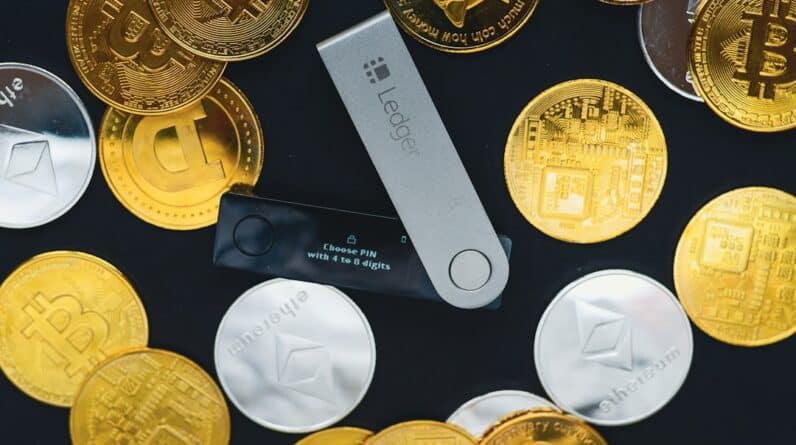
As you delve into the world of cryptocurrency, you may find yourself navigating a complex landscape of regulations that vary significantly across different jurisdictions. In Europe, the rise of digital currencies has prompted a wave of regulatory scrutiny, as governments and financial authorities seek to balance innovation with consumer protection and financial stability. The rapid evolution of cryptocurrencies, from Bitcoin to Ethereum and beyond, has raised questions about their legitimacy, security, and potential for misuse.
As a result, understanding the regulatory environment surrounding cryptocurrencies in Europe is essential for anyone looking to engage with this burgeoning market. The European Union (EU) and its member states are grappling with how best to regulate this dynamic sector. With the potential for cryptocurrencies to disrupt traditional financial systems, regulators are tasked with creating frameworks that not only foster innovation but also mitigate risks associated with fraud, money laundering, and market volatility.
As you explore the intricacies of cryptocurrency regulation in Europe, you will discover a landscape marked by both progress and challenges, as authorities strive to keep pace with the rapid advancements in technology and market practices.
Key Takeaways
- Cryptocurrency regulation in Europe is a complex and evolving landscape with varying approaches from different countries.
- The European Union plays a significant role in shaping cryptocurrency regulation through directives and regulations that impact member states.
- Individual countries in Europe have taken different approaches to regulating cryptocurrencies, leading to a lack of uniformity across the region.
- Challenges and controversies surrounding cryptocurrency regulation in Europe include concerns about consumer protection, money laundering, and tax evasion.
- The impact of cryptocurrency regulation on businesses and consumers is significant, as it affects access to financial services and the ability to innovate in the digital economy.
The Current State of Cryptocurrency Regulation in Europe
Currently, the regulatory environment for cryptocurrencies in Europe is characterized by a patchwork of national laws and EU-wide initiatives. While some countries have embraced cryptocurrencies and blockchain technology, others remain cautious or even hostile. This divergence can create confusion for businesses and consumers alike, as you may find that the rules governing cryptocurrency transactions can vary significantly from one country to another.
For instance, while nations like Malta and Portugal have established themselves as crypto-friendly jurisdictions, others like Germany and France have implemented stricter regulations aimed at curbing potential risks. In recent years, the EU has taken steps to harmonize regulations across member states through initiatives such as the Markets in Crypto-Assets (MiCA) proposal. This comprehensive framework aims to provide clarity on the legal status of various cryptocurrencies and establish a consistent regulatory approach across the EU.
As you consider engaging with cryptocurrencies, it is crucial to stay informed about these developments, as they will shape the future landscape of digital asset regulation in Europe.
The Role of the European Union in Cryptocurrency Regulation

The European Union plays a pivotal role in shaping cryptocurrency regulation across its member states. By proposing legislation like MiCA, the EU aims to create a unified regulatory framework that addresses the unique challenges posed by digital assets. This initiative seeks to provide legal certainty for businesses operating in the cryptocurrency space while ensuring that consumer protections are in place.
As you explore the implications of EU regulations, you will find that they are designed not only to foster innovation but also to prevent potential abuses that could undermine public trust in digital currencies. Moreover, the EU’s approach to cryptocurrency regulation reflects a broader commitment to fostering a digital single market. By establishing clear guidelines for cryptocurrencies, the EU hopes to encourage investment and innovation while ensuring that all member states adhere to common standards.
This collaborative effort is essential for creating a stable environment where businesses can thrive and consumers can engage with cryptocurrencies confidently. As you navigate this evolving landscape, understanding the EU’s role will be crucial in anticipating future regulatory changes.
Individual Country Approaches to Cryptocurrency Regulation
As you examine individual country approaches to cryptocurrency regulation within Europe, you will notice significant variations in how different nations handle digital assets. For example, Switzerland has emerged as a global leader in cryptocurrency regulation, offering a favorable environment for blockchain startups through its progressive legal framework. The Swiss Financial Market Supervisory Authority (FINMA) has established clear guidelines for Initial Coin Offerings (ICOs) and other crypto-related activities, making it an attractive destination for entrepreneurs and investors alike.
In contrast, countries like France have taken a more cautious approach, implementing stringent regulations aimed at protecting consumers and preventing financial crime. The French government has introduced measures requiring cryptocurrency exchanges to register with regulatory authorities and comply with anti-money laundering (AML) requirements. As you consider engaging with cryptocurrencies in different European countries, it is essential to understand these varying approaches, as they can significantly impact your experience and opportunities within the market.
Challenges and Controversies Surrounding Cryptocurrency Regulation in Europe
Despite the progress made in establishing regulatory frameworks for cryptocurrencies in Europe, several challenges and controversies persist. One major issue is the balance between fostering innovation and ensuring consumer protection. As you explore this delicate equilibrium, you may find that overly stringent regulations could stifle innovation and drive businesses to relocate to more favorable jurisdictions.
Conversely, lax regulations could expose consumers to significant risks, including fraud and market manipulation. Another contentious topic is the classification of cryptocurrencies themselves. Different countries may categorize digital assets differently—some may view them as currencies, while others may classify them as securities or commodities.
This lack of uniformity can create confusion for businesses and investors alike, complicating compliance efforts and potentially leading to legal disputes. As you navigate these challenges, it is essential to stay informed about ongoing discussions and developments within the regulatory landscape.
The Impact of Cryptocurrency Regulation on Businesses and Consumers
The impact of cryptocurrency regulation on businesses and consumers cannot be overstated. For businesses operating in the cryptocurrency space, clear regulations can provide a sense of security and legitimacy, enabling them to attract investment and build trust with customers. When regulations are well-defined, companies can develop compliant products and services that meet legal requirements while also addressing consumer needs.
As you consider entering this market, understanding how regulations affect business operations will be crucial for your success. For consumers, effective regulation can enhance confidence in using cryptocurrencies for transactions or investments. When regulatory frameworks are in place to protect consumers from fraud and ensure transparency, individuals are more likely to engage with digital assets.
However, if regulations are perceived as overly restrictive or confusing, consumers may hesitate to adopt cryptocurrencies altogether. As you explore your options within this space, consider how regulatory developments may influence your decisions as both a consumer and an investor.
Future Outlook for Cryptocurrency Regulation in Europe
Looking ahead, the future of cryptocurrency regulation in Europe appears poised for continued evolution. As technology advances and new use cases for digital assets emerge, regulators will need to adapt their approaches accordingly. The ongoing development of frameworks like MiCA indicates a commitment to creating a cohesive regulatory environment that can accommodate innovation while safeguarding consumers.
As you keep an eye on these developments, it will be essential to remain agile and informed about potential changes that could impact your engagement with cryptocurrencies. Moreover, international collaboration will likely play a significant role in shaping the future of cryptocurrency regulation in Europe. As countries around the world grapple with similar challenges related to digital assets, sharing best practices and harmonizing regulations could lead to more effective oversight on a global scale.
As you navigate this complex landscape, staying informed about international trends will be crucial for understanding how they may influence European regulations.
Navigating the Complexities of Cryptocurrency Regulation in Europe
In conclusion, navigating the complexities of cryptocurrency regulation in Europe requires a keen understanding of both current frameworks and emerging trends. As you engage with digital assets, it is vital to stay informed about the varying approaches taken by individual countries and the overarching role of the European Union in shaping regulatory standards. While challenges persist—ranging from balancing innovation with consumer protection to addressing classification discrepancies—there is also significant potential for growth and development within this dynamic sector.
As you continue your journey into the world of cryptocurrencies, remember that staying informed about regulatory changes will empower you to make informed decisions as both a consumer and an investor. By understanding the intricacies of cryptocurrency regulation in Europe, you can better navigate this evolving landscape and seize opportunities while mitigating risks associated with digital assets.
FAQs
What is cryptocurrency regulation in Europe?
Cryptocurrency regulation in Europe refers to the laws and guidelines set by European countries to govern the use and trading of digital currencies such as Bitcoin and Ethereum.
Why is cryptocurrency regulation important in Europe?
Cryptocurrency regulation is important in Europe to protect consumers, prevent money laundering and terrorist financing, and ensure the stability of the financial system.
How is cryptocurrency regulated in Europe?
Cryptocurrency regulation in Europe varies by country, but generally involves measures such as registration requirements for cryptocurrency exchanges, anti-money laundering (AML) and know your customer (KYC) regulations, and taxation of cryptocurrency transactions.
Which European countries have strict cryptocurrency regulations?
Countries such as Germany, France, and the United Kingdom have implemented strict cryptocurrency regulations to ensure consumer protection and financial stability.
What are the challenges of cryptocurrency regulation in Europe?
Challenges of cryptocurrency regulation in Europe include the cross-border nature of cryptocurrencies, the need for international cooperation, and the rapid pace of technological innovation in the cryptocurrency space.