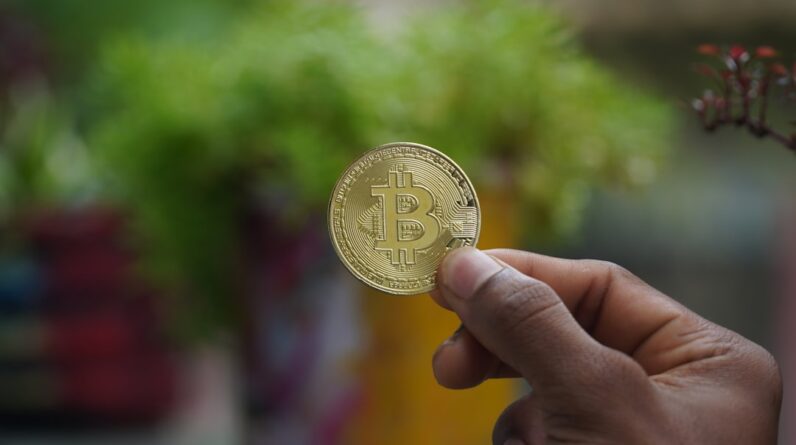
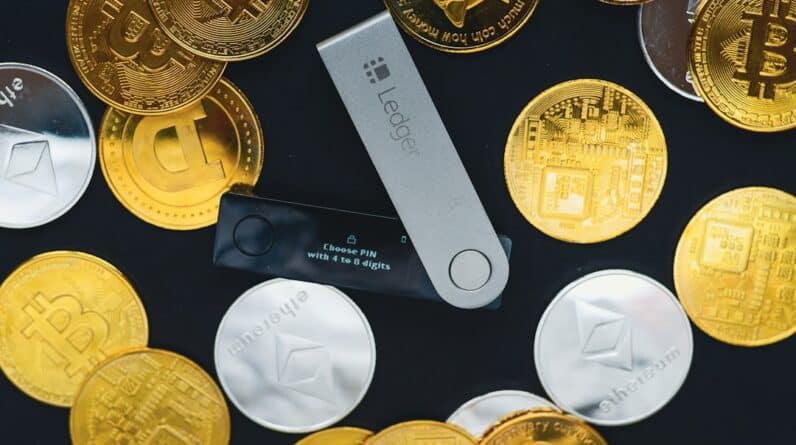
Bitcoin is a decentralized digital currency that has gained significant attention since its inception in 2009. Unlike traditional currencies issued by governments, Bitcoin operates on a peer-to-peer network, allowing users to send and receive payments without the need for intermediaries like banks. This innovative approach to currency is made possible through blockchain technology, which serves as a public ledger that records all transactions in a secure and transparent manner.
Each transaction is verified by network participants, known as miners, who use powerful computers to solve complex mathematical problems. This process not only secures the network but also creates new bitcoins, introducing them into circulation. As a digital asset, Bitcoin can be used for various purposes, including online purchases, investment, and remittances.
Its appeal lies in its potential for anonymity and security, as users can transact without revealing their identities. Additionally, Bitcoin is often viewed as a hedge against inflation and economic instability, as its supply is capped at 21 million coins. This scarcity has led many to consider Bitcoin a form of “digital gold,” a store of value that could appreciate over time.
However, its unique characteristics also come with challenges, making it essential for you to understand both the benefits and drawbacks of investing in this cryptocurrency.
Key Takeaways
- Bitcoin is a digital currency that operates independently of a central bank or government.
- Bitcoin was created in 2009 by an unknown person using the name Satoshi Nakamoto.
- The value of Bitcoin has been highly volatile, with significant price fluctuations over the years.
- Despite its volatility, Bitcoin has shown potential for significant growth as an investment.
- Investing in Bitcoin carries risks, including regulatory uncertainty and the potential for significant losses.
The History of Bitcoin
The story of Bitcoin begins with an enigmatic figure known as Satoshi Nakamoto, who published a white paper titled “Bitcoin: A Peer-to-Peer Electronic Cash System” in 2008. This document outlined the principles behind Bitcoin and introduced the concept of blockchain technology. In January 2009, Nakamoto mined the first block of the Bitcoin blockchain, known as the “genesis block,” marking the official launch of the cryptocurrency.
Initially, Bitcoin was primarily used by tech enthusiasts and libertarians who valued its decentralized nature and potential to disrupt traditional financial systems. Over the years, Bitcoin’s popularity grew, leading to increased media coverage and public interest. In 2010, the first real-world transaction using Bitcoin occurred when a programmer named Laszlo Hanyecz paid 10,000 bitcoins for two pizzas.
This event is often cited as a pivotal moment in Bitcoin’s history, as it demonstrated the currency’s potential for practical use. As more people began to adopt Bitcoin, its value fluctuated dramatically, leading to both excitement and skepticism among investors. By 2013, Bitcoin had reached a significant milestone when its price surpassed $1,000 for the first time, capturing the attention of mainstream media and investors alike.
The Volatility of Bitcoin

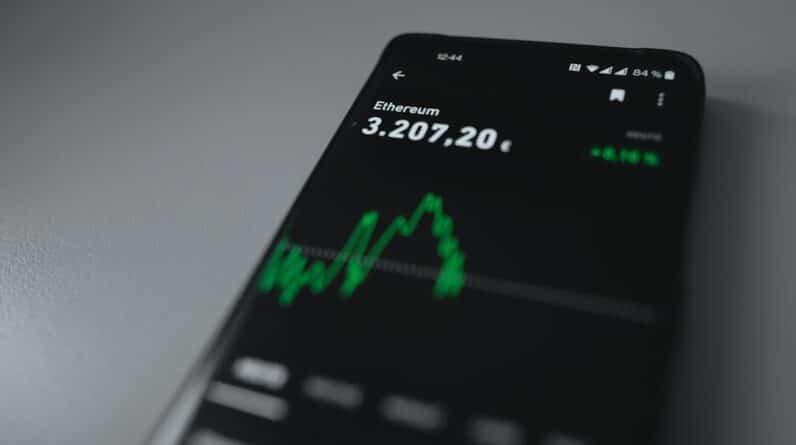
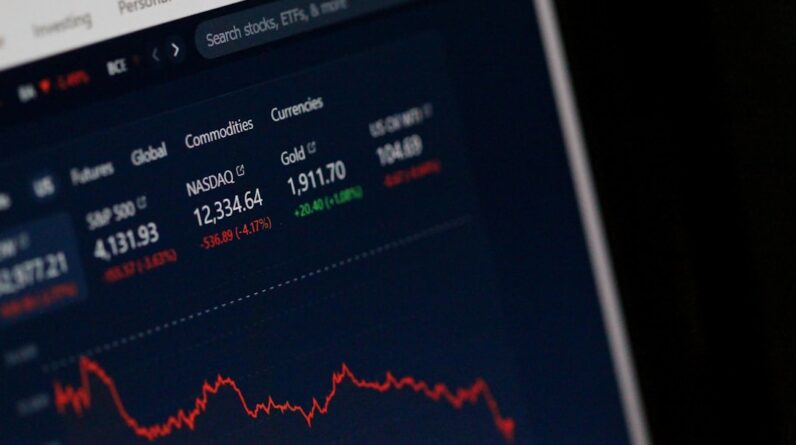
One of the most notable characteristics of Bitcoin is its extreme volatility. The price of Bitcoin can experience dramatic fluctuations within short periods, making it both an enticing investment opportunity and a risky endeavor. For instance, in late 2017, Bitcoin’s price skyrocketed to nearly $20,000 before plummeting to around $3,000 by early 2019.
Such volatility can be attributed to various factors, including market speculation, regulatory news, technological developments, and macroeconomic trends. As an investor, you must be prepared for these price swings and understand that they can significantly impact your investment strategy. The volatility of Bitcoin can be both a blessing and a curse.
On one hand, it presents opportunities for traders to capitalize on price movements through short-term buying and selling strategies. On the other hand, this unpredictability can lead to substantial losses for those who invest without a clear understanding of the market dynamics. As you navigate the world of Bitcoin investing, it’s crucial to develop a risk management strategy that aligns with your financial goals and risk tolerance.
This may involve setting stop-loss orders or diversifying your portfolio to mitigate potential losses.
The Potential for Growth
Despite its volatility, many investors are drawn to Bitcoin due to its potential for significant growth. As more individuals and institutions recognize the value of cryptocurrencies, demand for Bitcoin continues to rise. Factors such as increased adoption by businesses, institutional investment, and growing interest from retail investors contribute to this upward trajectory.
Additionally, as traditional financial systems face challenges such as inflation and economic uncertainty, Bitcoin’s appeal as an alternative asset class becomes even more pronounced. Moreover, advancements in technology and infrastructure surrounding Bitcoin could further enhance its growth potential. The development of user-friendly wallets, improved security measures, and increased accessibility through exchanges make it easier for newcomers to enter the market.
Furthermore, as more companies begin to accept Bitcoin as a form of payment, its utility as a currency may increase, driving demand even higher. As you consider investing in Bitcoin, it’s essential to stay informed about these trends and developments that could influence its future value.
The Risks of Investing in Bitcoin
While the potential for growth in Bitcoin is enticing, it’s crucial to acknowledge the inherent risks associated with investing in this cryptocurrency. One significant risk is regulatory uncertainty; governments around the world are still grappling with how to regulate cryptocurrencies effectively. Changes in regulations can have immediate and profound effects on Bitcoin’s price and overall market sentiment.
For instance, news of crackdowns on cryptocurrency exchanges or stricter regulations can lead to panic selling among investors. Another risk is the security of your investment. Although blockchain technology is designed to be secure, exchanges and wallets can be vulnerable to hacking and theft.
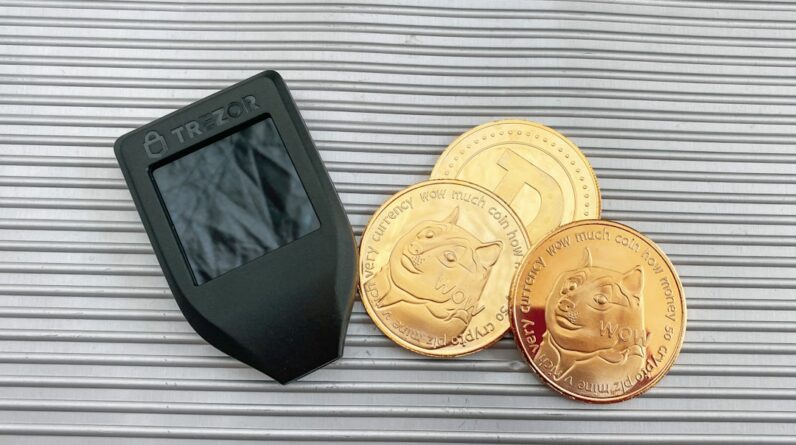
High-profile hacks have resulted in millions of dollars worth of bitcoins being stolen from exchanges, leading to significant losses for investors. To mitigate this risk, it’s essential to choose reputable exchanges and consider storing your bitcoins in secure wallets rather than leaving them on exchanges where they are more susceptible to theft.
The Role of Regulation

Regulation plays a critical role in shaping the future of Bitcoin and other cryptocurrencies. As governments worldwide seek to establish frameworks for digital currencies, their decisions can significantly impact market dynamics. For instance, countries that embrace cryptocurrencies may foster innovation and growth within the sector, while those that impose strict regulations could stifle development and drive investors away.
As an investor in Bitcoin, staying informed about regulatory developments is essential for understanding how they may affect your investments. In recent years, there has been a growing push for clearer regulations surrounding cryptocurrencies. Some countries have implemented measures aimed at protecting consumers while promoting innovation within the industry.
For example, regulatory bodies may require exchanges to adhere to anti-money laundering (AML) and know-your-customer (KYC) policies to enhance transparency and security. As these regulations evolve, they could provide greater legitimacy to Bitcoin as an asset class and potentially attract more institutional investors.
The Long-Term Viability of Bitcoin
The long-term viability of Bitcoin remains a topic of debate among experts and investors alike. Proponents argue that Bitcoin’s unique properties—such as its decentralized nature and limited supply—position it well for sustained growth in an increasingly digital world. They believe that as more people recognize the value of cryptocurrencies as an alternative form of money or investment vehicle, demand for Bitcoin will continue to rise over time.
Conversely, skeptics point out several challenges that could hinder Bitcoin’s long-term success. These include competition from other cryptocurrencies that may offer superior technology or features, potential regulatory crackdowns that could limit its use or adoption, and concerns about scalability as transaction volumes increase. As you consider investing in Bitcoin for the long term, it’s essential to weigh these factors carefully and stay informed about developments within the cryptocurrency space.
Is Bitcoin a Good Investment?
In conclusion, whether or not Bitcoin is a good investment depends on your individual financial goals and risk tolerance. Its potential for growth is undeniable; however, it comes with significant risks that you must carefully consider before diving in. The volatility of Bitcoin can present both opportunities and challenges for investors seeking short-term gains or long-term wealth accumulation.
As you navigate this complex landscape, it’s crucial to stay informed about market trends, regulatory developments, and technological advancements that could impact your investment decisions. By doing so, you can make more informed choices about whether Bitcoin aligns with your investment strategy and financial objectives. Ultimately, while Bitcoin may offer exciting possibilities for wealth creation, it also requires diligence and caution on your part as an investor.
FAQs
What is Bitcoin?
Bitcoin is a digital currency that was created in 2009 by an unknown person using the alias Satoshi Nakamoto. It is a decentralized form of currency, meaning it is not controlled by any government or financial institution.
Is Bitcoin a Good Investment?
The answer to whether Bitcoin is a good investment is subjective and depends on individual risk tolerance and investment goals. Bitcoin has shown significant price volatility, which can lead to potential high returns but also high risk.
What are the Risks of Investing in Bitcoin?
Some of the risks associated with investing in Bitcoin include price volatility, regulatory uncertainty, security risks, and the potential for market manipulation.
What are the Potential Benefits of Investing in Bitcoin?
Potential benefits of investing in Bitcoin include the opportunity for high returns, diversification of investment portfolio, and the ability to participate in a growing and innovative financial market.
How Can I Invest in Bitcoin?
There are several ways to invest in Bitcoin, including buying and holding the cryptocurrency directly, investing in Bitcoin-related stocks or funds, and trading Bitcoin on cryptocurrency exchanges.
Is Bitcoin Legal?
The legal status of Bitcoin varies by country. While some countries have embraced and regulated Bitcoin, others have imposed restrictions or outright bans on its use and trading. It is important to research and understand the legal status of Bitcoin in your jurisdiction before investing.