In the rapidly evolving world of digital currencies, the importance of secure storage cannot be overstated. As you delve into the realm of cryptocurrencies, you quickly realize that the decentralized nature of these assets comes with both opportunities and risks. Unlike traditional banking systems, where your funds are safeguarded by institutions, the responsibility for securing your cryptocurrencies falls squarely on your shoulders.
This means that understanding how to protect your digital assets is paramount to ensuring their longevity and safety. The value of cryptocurrencies can fluctuate dramatically, making them attractive targets for hackers and cybercriminals. You may have heard stories of individuals losing their entire life savings due to inadequate security measures.
This reality underscores the necessity of implementing robust storage solutions. By prioritizing secure storage, you not only protect your investments but also gain peace of mind knowing that your assets are safe from potential threats. The first step in this journey is recognizing that the security of your cryptocurrencies is as crucial as the investments themselves.
Key Takeaways
- Secure storage for cryptocurrencies is crucial to protect your investment from theft and hacking.
- Choosing the right wallet depends on your needs, with options including hardware, software, and paper wallets.
- Hot storage options are connected to the internet for easy access, while cold storage options are offline for added security.
- Setting up and securing a hardware wallet involves following manufacturer instructions and implementing strong security measures.
- Creating a backup plan for cryptocurrency storage is essential to prevent loss in case of hardware failure or other issues.
Choosing the right wallet for your needs
Convenience vs. Security
A wallet that suits your lifestyle will not only enhance your ability to manage your assets but also provide you with a sense of control over your financial future. You might find yourself drawn to software wallets for their user-friendly interfaces and ease of access. These wallets are typically available as mobile or desktop applications, allowing you to manage your cryptocurrencies on the go.
Software Wallets: Ease of Use
However, while they offer convenience, they may not provide the highest level of security. Software wallets are designed for everyday use, making it easy to send, receive, and store your cryptocurrencies.
Hardware Wallets: Prioritizing Security
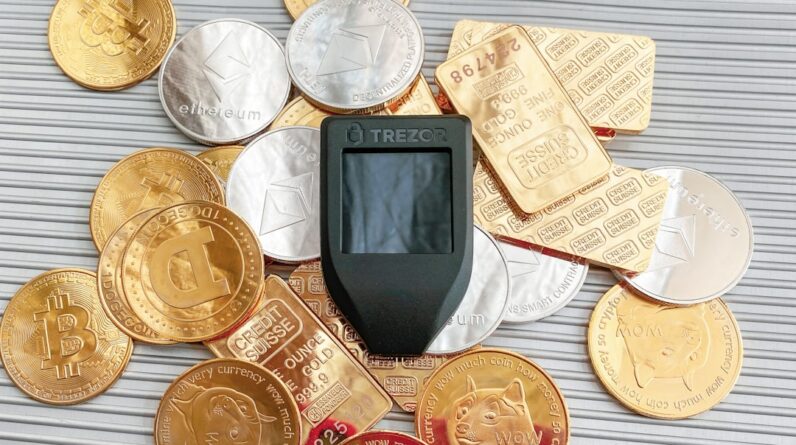
On the other hand, hardware wallets are designed specifically for secure storage, offering a more robust solution for those who prioritize safety over convenience. By carefully evaluating your needs and preferences, you can choose a wallet that aligns with your goals and provides the level of security you require.
The difference between hot and cold storage options

Understanding the distinction between hot and cold storage options is essential for anyone looking to secure their cryptocurrencies effectively. Hot storage refers to wallets that are connected to the internet, making them easily accessible for transactions and trading. While this convenience is appealing, it also exposes your assets to potential online threats.
If you frequently trade or use your cryptocurrencies for purchases, hot wallets may be a suitable choice, but it’s crucial to implement additional security measures to mitigate risks. In contrast, cold storage refers to offline wallets that are not connected to the internet. These wallets provide a higher level of security by keeping your private keys away from potential online threats.
Cold storage options include hardware wallets and paper wallets, which can be stored in secure locations such as safes or safety deposit boxes. While cold storage may not be as convenient for frequent transactions, it is an excellent choice for long-term investors who want to safeguard their assets from hacking attempts and other cyber threats. By understanding the differences between these two storage methods, you can make informed decisions about how best to protect your cryptocurrencies.
Setting up and securing your hardware wallet
Once you’ve decided on a hardware wallet as your preferred storage solution, the next step is setting it up securely. The process typically begins with purchasing a reputable hardware wallet from a trusted source. It’s essential to avoid buying second-hand devices or those from unverified sellers, as these could be compromised.
After acquiring your hardware wallet, follow the manufacturer’s instructions carefully during the setup process to ensure that you configure it correctly. Securing your hardware wallet goes beyond just setting it up; it involves implementing additional layers of protection. Start by creating a strong PIN code that will be required each time you access your wallet.
Additionally, most hardware wallets will prompt you to write down a recovery seed phrase during setup. This phrase is crucial for recovering your wallet in case it is lost or damaged, so store it in a safe place away from prying eyes. By taking these precautions, you can significantly enhance the security of your hardware wallet and protect your cryptocurrencies from unauthorized access.
Creating a backup plan for your cryptocurrency storage
A comprehensive backup plan is an essential component of any cryptocurrency storage strategy. Even with the most secure wallets in place, unforeseen circumstances can arise—such as device failure or loss—that could jeopardize your access to your digital assets. To mitigate these risks, it’s vital to create multiple backups of your wallet information and recovery phrases.
Start by making physical copies of your recovery seed phrase and storing them in secure locations, such as a safe or safety deposit box. You might also consider using encrypted digital backups stored on secure cloud services or external drives. However, be cautious with digital backups; ensure they are encrypted and protected with strong passwords to prevent unauthorized access.
By having a well-thought-out backup plan in place, you can safeguard against potential losses and ensure that you can always access your cryptocurrencies when needed.
Best practices for storing and accessing your private keys

Your private keys are the keys to your cryptocurrency kingdom; they grant you access to your digital assets and allow you to make transactions. Therefore, it’s crucial to handle them with care and implement best practices for their storage and access. One fundamental rule is never to share your private keys with anyone or store them in easily accessible locations like cloud services or email accounts.
Instead, consider using a password manager to securely store your private keys if you need digital access. Alternatively, you can write them down on paper and keep them in a secure location away from prying eyes. Additionally, always ensure that any device you use to access your private keys is secure and free from malware or viruses.
By following these best practices, you can significantly reduce the risk of unauthorized access to your cryptocurrencies and maintain control over your digital assets.
How to protect your cryptocurrencies from theft and hacking
As you navigate the world of cryptocurrencies, it’s essential to remain vigilant against potential threats such as theft and hacking. Cybercriminals are constantly developing new tactics to exploit vulnerabilities in digital wallets and exchanges, making it crucial for you to stay informed about best practices for protecting your assets. One effective strategy is enabling two-factor authentication (2FA) on all accounts associated with your cryptocurrencies.
This additional layer of security requires a second form of verification—such as a text message or authentication app—before granting access. Another important measure is regularly updating your software and wallets to ensure they are equipped with the latest security features. Cybersecurity threats evolve rapidly, so keeping everything up-to-date helps protect against known vulnerabilities.
Additionally, be cautious when using public Wi-Fi networks; avoid accessing sensitive accounts or making transactions while connected to unsecured networks. By implementing these protective measures, you can significantly reduce the risk of theft and hacking attempts on your cryptocurrency holdings.
Regularly reviewing and updating your storage methods
The world of cryptocurrency is dynamic and ever-changing; therefore, regularly reviewing and updating your storage methods is essential for maintaining security and efficiency. As new technologies emerge and threats evolve, what may have been considered a secure method yesterday might not hold up today. Set aside time periodically—perhaps every few months—to assess your current storage solutions and determine if they still meet your needs.
During these reviews, consider factors such as changes in the value of your assets, advancements in wallet technology, or new security features that may enhance protection. You might also want to evaluate whether your investment strategy has shifted; if you’re holding more long-term assets than before, transitioning to cold storage could be beneficial. By staying proactive in reviewing and updating your storage methods, you can ensure that you’re always employing the best practices available for securing your cryptocurrencies effectively.
In conclusion, navigating the world of cryptocurrency requires diligence and an understanding of secure storage practices. By prioritizing security through informed choices about wallets, backup plans, private key management, and protective measures against theft, you can safeguard your digital assets effectively. Regularly reviewing these strategies will help you adapt to an ever-evolving landscape while ensuring that your investments remain protected for years to come.
FAQs
What is cryptocurrency storage?
Cryptocurrency storage refers to the methods and tools used to securely store and manage digital assets such as Bitcoin, Ethereum, and other cryptocurrencies.
What are the different types of cryptocurrency storage?
There are several types of cryptocurrency storage, including hardware wallets, software wallets, paper wallets, and online wallets (also known as hot wallets).
What is a hardware wallet?
A hardware wallet is a physical device that stores the user’s private keys offline, providing a high level of security against hacking and malware.
What is a software wallet?
A software wallet is a digital application or program that allows users to store and manage their cryptocurrencies on their computer or mobile device.
What is a paper wallet?
A paper wallet is a physical document that contains a public address for receiving funds and a private key for accessing and spending those funds.
What is an online wallet (hot wallet)?
An online wallet, also known as a hot wallet, is a web-based service or application that stores a user’s private keys on a server, making it more susceptible to hacking and cyber attacks.
What are the best practices for storing cryptocurrencies?
Best practices for storing cryptocurrencies include using hardware wallets for long-term storage, keeping software wallets updated and secure, and using paper wallets as a backup method.
How do I choose the right storage method for my cryptocurrencies?
When choosing a storage method for your cryptocurrencies, consider factors such as security, convenience, and your level of technical expertise. It’s important to research and understand the pros and cons of each storage option before making a decision.