When you delve into the world of decentralized autonomous organizations, or DAOs, you encounter a revolutionary concept that reshapes how communities can govern themselves. At its core, a DAO is an organization represented by rules encoded as a computer program that is transparent, controlled by organization members, and not influenced by a central authority. This structure allows for a more democratic approach to decision-making, where every member has a voice and can participate in the governance process.
The essence of a DAO lies in its ability to operate autonomously, relying on smart contracts to execute decisions without the need for intermediaries. As you explore further, you will find that DAOs are built on blockchain technology, which ensures transparency and security. Each transaction and decision made within a DAO is recorded on the blockchain, making it immutable and accessible to all members.
This transparency fosters trust among participants, as everyone can verify the actions taken by the organization. Moreover, the decentralized nature of DAOs means that power is distributed among members rather than concentrated in the hands of a few individuals. This shift not only democratizes governance but also encourages active participation and engagement from all members.
Key Takeaways
- Daos are decentralized autonomous organizations that operate through smart contracts and are governed by their members.
- Daos have evolved from early experiments in decentralized governance to become a popular tool for community decision-making and resource allocation.
- Implementing Daos in community governance can lead to increased transparency, efficiency, and inclusivity in decision-making processes.
- Challenges of Daos in community governance include potential for manipulation, lack of legal framework, and difficulty in resolving disputes.
- Successful examples of Daos in community governance include projects like Aragon, MakerDAO, and MolochDAO, which have effectively utilized Daos for decision-making and resource allocation.
The History and Evolution of Daos in Community Governance
The concept of DAOs has its roots in the early days of blockchain technology, particularly with the advent of Ethereum in 2015. Ethereum introduced smart contracts, which allowed developers to create decentralized applications (dApps) that could operate without central control. The first notable DAO was “The DAO,” launched in 2016, which aimed to create a venture capital fund governed by its token holders.
However, this initial experiment faced significant challenges, including a major hack that led to the loss of millions of dollars and ultimately resulted in the dissolution of The DAO. This incident highlighted the vulnerabilities inherent in early DAO implementations and sparked discussions about governance, security, and community involvement. Since then, the evolution of DAOs has been marked by experimentation and innovation.
You may notice that various DAOs have emerged, each with unique governance structures and purposes. Some focus on funding projects, while others aim to create decentralized communities around shared interests or goals. Over time, lessons learned from past failures have led to more robust frameworks and improved security measures.
As you observe this evolution, it becomes clear that DAOs are not just a passing trend; they represent a fundamental shift in how communities can organize and govern themselves in a digital age.
The Benefits of Implementing Daos in Community Governance
Implementing DAOs in community governance offers numerous advantages that can significantly enhance participation and decision-making processes. One of the most compelling benefits is the increased transparency that comes with blockchain technology. When you participate in a DAO, you can easily access information about proposals, voting outcomes, and financial transactions.
This level of transparency fosters accountability among members and ensures that decisions are made based on collective input rather than behind closed doors. Another significant benefit is the empowerment of community members. In traditional governance structures, decision-making power often resides with a select few individuals or leaders.
However, DAOs democratize this process by allowing every member to have a say in important matters. You can propose changes, vote on initiatives, and contribute to the direction of the organization. This inclusivity not only enhances engagement but also leads to more diverse perspectives being considered in decision-making processes.
As a result, DAOs can create solutions that better reflect the needs and desires of the entire community.
Challenges and Limitations of Daos in Community Governance
Despite their many advantages, DAOs also face several challenges and limitations that can hinder their effectiveness in community governance. One significant issue is the complexity of governance structures. As you engage with a DAO, you may find that understanding the intricacies of voting mechanisms, proposal processes, and tokenomics can be daunting for newcomers.
This complexity can create barriers to entry for potential members who may feel overwhelmed or unsure about how to participate meaningfully. Additionally, there are concerns regarding security and vulnerability to attacks. While blockchain technology is generally secure, DAOs are not immune to hacks or exploits.
The incident involving The DAO serves as a stark reminder of the potential risks associated with smart contracts and decentralized governance. As you consider participating in a DAO, it’s essential to be aware of these risks and understand that not all DAOs are created equal; some may have stronger security measures than others.
Examples of Successful Daos in Community Governance
As you explore the landscape of DAOs, you will encounter several successful examples that illustrate their potential in community governance. One notable example is MakerDAO, which governs the DAI stablecoin ecosystem. MakerDAO allows its members to participate in decision-making regarding collateral types, risk parameters, and other critical aspects of the platform.
Through its decentralized governance model, MakerDAO has successfully maintained stability in its stablecoin while fostering community engagement. Another inspiring example is Gitcoin DAO, which focuses on funding open-source projects through community contributions. Gitcoin allows developers to propose projects for funding while enabling community members to vote on which projects should receive financial support.
This model not only incentivizes innovation but also empowers developers to create solutions that benefit the broader ecosystem. These examples demonstrate how DAOs can effectively facilitate community-driven initiatives while promoting transparency and inclusivity.
The Role of Technology in Facilitating Daos in Community Governance

Technology plays a pivotal role in enabling DAOs to function effectively within community governance frameworks. At the heart of this technological landscape is blockchain technology, which provides the foundation for transparency and security. Smart contracts automate processes such as voting and fund distribution, ensuring that decisions are executed without human intervention or bias.
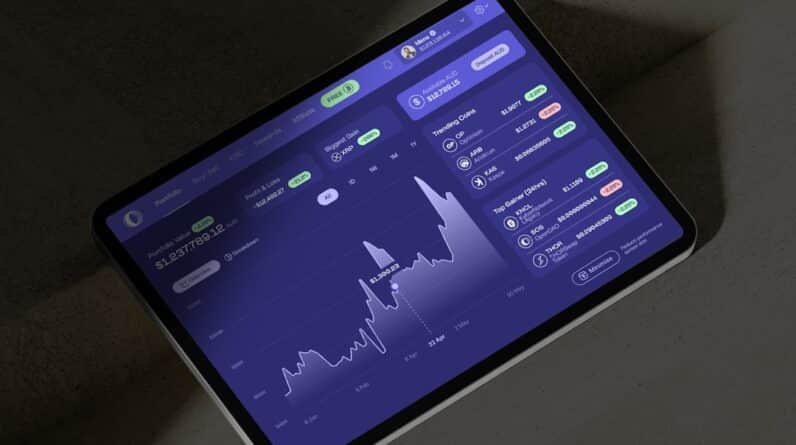
As you engage with DAOs, you will likely appreciate how these technological advancements streamline operations and enhance trust among participants. Moreover, advancements in user interface design and accessibility tools are making it easier for individuals to interact with DAOs. You may find that many platforms now offer intuitive dashboards that simplify participation in governance processes.
These tools help demystify complex voting mechanisms and provide clear information about proposals and outcomes. As technology continues to evolve, it will likely play an even more significant role in shaping how communities leverage DAOs for governance.
The Future of Daos in Community Governance
Looking ahead, the future of DAOs in community governance appears promising yet uncertain. As more individuals recognize the potential benefits of decentralized governance models, you may witness an increase in the adoption of DAOs across various sectors. From non-profit organizations to local communities seeking more democratic decision-making processes, DAOs could become a standard approach for collective governance.
However, challenges remain that must be addressed for DAOs to reach their full potential. Issues such as regulatory compliance, security vulnerabilities, and user education will need ongoing attention as these organizations evolve. You may find it essential for communities to develop best practices and guidelines for implementing DAOs effectively while ensuring inclusivity and accessibility for all members.
How to Implement Daos in Community Governance
If you are considering implementing a DAO within your community governance framework, there are several key steps to follow that can help ensure success. First and foremost, it’s crucial to define the purpose and goals of your DAO clearly. What issues do you aim to address?
How will your community benefit from this decentralized approach? By establishing a clear vision from the outset, you can guide your members toward meaningful participation. Next, selecting the right technology stack is vital for facilitating your DAO’s operations.
You will need to choose a blockchain platform that aligns with your goals and offers robust smart contract capabilities. Additionally, consider user-friendly interfaces that make it easy for members to engage with your DAO’s governance processes. Finally, fostering an inclusive culture within your DAO is essential for long-term success.
Encourage open communication among members and provide educational resources to help newcomers understand how they can participate effectively. By creating an environment where everyone feels valued and empowered to contribute, you can build a thriving community governed by shared principles and collective decision-making. In conclusion, as you navigate the evolving landscape of DAOs in community governance, it becomes evident that these organizations hold immense potential for reshaping how communities operate.
By embracing transparency, inclusivity, and technological innovation, DAOs can empower individuals to take an active role in shaping their collective future.
FAQs
What is a DAO?
A DAO, or Decentralized Autonomous Organization, is an organization that is run through rules encoded as computer programs called smart contracts. These rules are transparent, and they are controlled by the organization’s members.
How do DAOs contribute to community governance?
DAOs contribute to community governance by providing a transparent and decentralized platform for decision-making. Members of the community can participate in the decision-making process and vote on proposals through the DAO’s smart contracts.
What are the benefits of using DAOs for community governance?
The benefits of using DAOs for community governance include transparency, decentralization, and increased participation. DAOs allow for more efficient decision-making processes and can help to reduce the potential for corruption or manipulation.
What are some examples of DAOs in community governance?
Some examples of DAOs in community governance include Aragon, DAOstack, and MolochDAO. These organizations provide platforms for community members to participate in decision-making processes and governance.
What are the potential challenges of using DAOs for community governance?
Potential challenges of using DAOs for community governance include technical complexity, security vulnerabilities, and the need for effective governance mechanisms to prevent manipulation or centralization of power within the organization.