To embark on your journey into the world of cryptocurrency, it is essential to grasp the fundamental concepts that underpin this digital revolution. At its core, cryptocurrency is a form of digital or virtual currency that employs cryptography for security. Unlike traditional currencies issued by governments, cryptocurrencies operate on decentralized networks based on blockchain technology.
This decentralized nature means that no single entity, such as a bank or government, has control over the currency, which can lead to increased transparency and reduced transaction fees. As you delve deeper into the realm of cryptocurrency, you will encounter various types of digital currencies, each with its unique features and purposes. Bitcoin, the first and most well-known cryptocurrency, was created in 2009 and has paved the way for thousands of alternative coins, often referred to as altcoins.
These altcoins can serve different functions, from facilitating smart contracts to enabling faster transaction speeds. Understanding these distinctions will help you navigate the vast landscape of cryptocurrencies and make informed decisions about which ones to invest in or utilize.
Key Takeaways
- Cryptocurrency is a digital or virtual form of currency that uses cryptography for security and operates independently of a central bank.
- When choosing a cryptocurrency exchange, consider factors such as security, fees, available cryptocurrencies, and user interface.
- Setting up a cryptocurrency wallet involves choosing between hot and cold wallets, considering security measures, and managing private keys.
- Conducting research and analysis in cryptocurrency trading involves studying market trends, analyzing price charts, and staying informed about news and developments.
- Developing a trading strategy in cryptocurrency involves setting clear goals, managing emotions, diversifying investments, and staying disciplined.
Choosing the Right Cryptocurrency Exchange
Once you have a solid understanding of cryptocurrency basics, the next step is selecting a cryptocurrency exchange where you can buy, sell, or trade your digital assets. The choice of exchange is crucial, as it can significantly impact your trading experience and overall success. When evaluating exchanges, consider factors such as security measures, user interface, fees, and the variety of cryptocurrencies offered.
A reputable exchange should have robust security protocols in place to protect your funds from potential hacks or breaches. Additionally, you should assess the user experience of the exchange platform. A well-designed interface can make your trading activities more efficient and enjoyable.
Look for exchanges that offer educational resources and customer support to assist you in case you encounter any issues. Finally, take note of the fees associated with trading on the platform. Some exchanges charge higher fees for transactions or withdrawals, which can eat into your profits over time.
By carefully weighing these factors, you can choose an exchange that aligns with your trading goals and preferences.
Setting Up Your Cryptocurrency Wallet

After selecting a cryptocurrency exchange, the next step is to set up a cryptocurrency wallet to store your digital assets securely. A wallet is a software application or hardware device that allows you to manage your cryptocurrencies by providing you with a unique address for sending and receiving funds. There are several types of wallets available, including hot wallets (connected to the internet) and cold wallets (offline storage).
Each type has its advantages and disadvantages, so it’s essential to choose one that suits your needs. Hot wallets are convenient for frequent trading and quick access to your funds, but they are more vulnerable to hacking attempts. On the other hand, cold wallets offer enhanced security by keeping your assets offline, making them less susceptible to cyber threats.
If you plan to hold your cryptocurrencies for an extended period, a cold wallet may be the better option. Regardless of which type you choose, ensure that you follow best practices for securing your wallet, such as enabling two-factor authentication and regularly backing up your wallet information.
Conducting Research and Analysis
Before making any investment decisions in the cryptocurrency market, conducting thorough research and analysis is paramount. The cryptocurrency landscape is highly volatile and can change rapidly based on market trends, news events, and technological advancements. Start by familiarizing yourself with various cryptocurrencies and their underlying technologies.
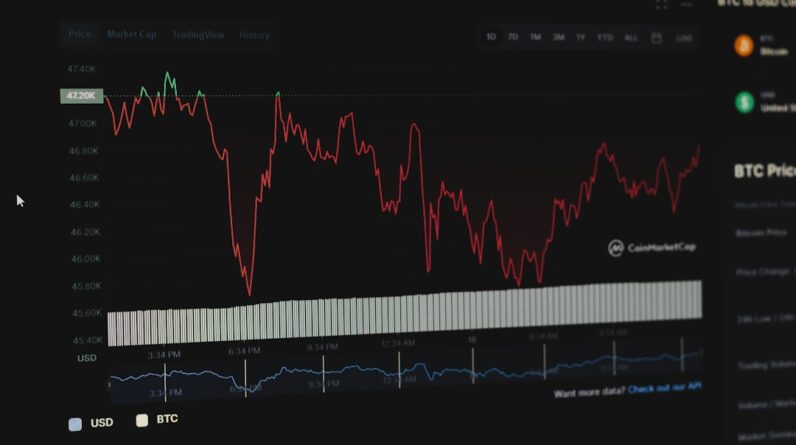
Read whitepapers, follow industry news, and engage with online communities to gain insights into different projects. Technical analysis is another valuable tool in your research arsenal. By studying price charts and historical data, you can identify patterns and trends that may inform your trading decisions.
Additionally, consider fundamental analysis, which involves evaluating a cryptocurrency’s potential value based on factors such as its use case, team expertise, and market demand. By combining both technical and fundamental analysis, you can develop a well-rounded understanding of the market and make more informed investment choices.
Developing a Trading Strategy
With a solid foundation of knowledge and research in place, it’s time to develop a trading strategy that aligns with your financial goals and risk tolerance. A well-defined strategy will help you navigate the unpredictable nature of the cryptocurrency market while maximizing your potential for profit. Start by determining your investment objectives—are you looking for short-term gains through day trading or long-term growth through holding assets?
Once you have established your goals, consider incorporating various trading techniques into your strategy. For instance, you might explore swing trading, which involves capitalizing on price fluctuations over several days or weeks. Alternatively, dollar-cost averaging allows you to invest a fixed amount regularly, reducing the impact of market volatility on your overall investment.
Whatever approach you choose, ensure that it is adaptable to changing market conditions and includes clear entry and exit points for your trades.
Managing Your Risk

Risk management is a critical component of successful cryptocurrency trading. Given the inherent volatility of digital assets, it’s essential to implement strategies that protect your capital while allowing for potential growth. One effective method is to set stop-loss orders—automated instructions that sell your assets if they fall below a predetermined price level.
This approach helps limit losses in case the market moves against you. Additionally, diversifying your portfolio can mitigate risk by spreading your investments across multiple cryptocurrencies rather than concentrating them in one asset. This way, if one asset underperforms, others may compensate for those losses.
It’s also wise to only invest what you can afford to lose; this mindset will help you stay calm during market fluctuations and avoid making impulsive decisions driven by fear or greed.
Keeping Up with Market Trends
Staying informed about market trends is vital for any cryptocurrency trader or investor. The digital currency landscape is constantly evolving due to technological advancements, regulatory changes, and shifts in public sentiment. To keep abreast of these developments, consider following reputable news sources dedicated to cryptocurrency coverage.
Subscribing to newsletters or joining online forums can also provide valuable insights from experienced traders and industry experts. Social media platforms like Twitter and Reddit are excellent resources for real-time updates and discussions about market trends. Engaging with these communities can help you gauge public sentiment around specific cryptocurrencies or projects.
However, exercise caution when interpreting information from social media; not all sources are credible, so cross-reference information before making any decisions based on trending topics.
Seeking Professional Advice
While self-education is crucial in navigating the cryptocurrency market, seeking professional advice can provide additional guidance tailored to your specific financial situation. Financial advisors with expertise in cryptocurrencies can help you develop a personalized investment strategy that aligns with your goals while considering factors such as risk tolerance and time horizon. When choosing a financial advisor, look for someone who has a solid understanding of cryptocurrencies and their underlying technologies.
They should be able to explain complex concepts in simple terms and provide insights into market trends and potential investment opportunities. Additionally, ensure that they adhere to ethical standards and have a transparent fee structure. By collaborating with a knowledgeable advisor, you can enhance your understanding of the cryptocurrency market while making informed decisions that align with your financial aspirations.
In conclusion, entering the world of cryptocurrency requires a blend of knowledge, strategy, and ongoing education. By understanding the basics of digital currencies, choosing the right exchange, setting up secure wallets, conducting thorough research, developing effective trading strategies, managing risk wisely, staying updated on market trends, and seeking professional advice when necessary, you can navigate this exciting yet volatile landscape with confidence. As you embark on this journey, remember that patience and diligence are key; success in cryptocurrency often comes from consistent effort and informed decision-making over time.
FAQs
What is cryptocurrency trading?
Cryptocurrency trading involves the buying, selling, and exchanging of digital currencies using various trading platforms and exchanges.
How do I get started with cryptocurrency trading?
To get started with cryptocurrency trading, you will need to open an account with a reputable cryptocurrency exchange, complete the verification process, deposit funds, and start trading.
What are the risks involved in cryptocurrency trading?
Cryptocurrency trading carries various risks, including price volatility, security risks, regulatory risks, and the potential for hacking and fraud. It is important to conduct thorough research and only invest what you can afford to lose.
What are the common trading strategies in cryptocurrency trading?
Common trading strategies in cryptocurrency trading include day trading, swing trading, and long-term investing. Each strategy involves different time horizons and risk levels.
What are the important factors to consider before starting cryptocurrency trading?
Before starting cryptocurrency trading, it is important to consider factors such as market research, risk management, security measures, and understanding the technology and market trends.
What are the popular cryptocurrencies for trading?
Popular cryptocurrencies for trading include Bitcoin (BTC), Ethereum (ETH), Ripple (XRP), Litecoin (LTC), and many others. These cryptocurrencies are commonly traded on various exchanges.