As you embark on your journey into the world of cryptocurrency, it’s essential to grasp the fundamental concepts that underpin this digital revolution. At its core, cryptocurrency is a form of digital or virtual currency that uses cryptography for security. Unlike traditional currencies issued by governments, cryptocurrencies operate on decentralized networks based on blockchain technology.
This means that transactions are recorded on a public ledger, ensuring transparency and security while eliminating the need for intermediaries like banks. You may find it fascinating that Bitcoin, the first and most well-known cryptocurrency, was created in 2009 by an anonymous person or group known as Satoshi Nakamoto. Since then, thousands of alternative cryptocurrencies, often referred to as altcoins, have emerged, each with unique features and purposes.
Understanding the differences between these currencies, such as Ethereum’s smart contracts or Ripple’s focus on cross-border payments, can help you make informed decisions as you navigate this complex landscape.
Key Takeaways
- Cryptocurrency is a digital or virtual form of currency that uses cryptography for security and operates independently of a central bank.
- Risks and security concerns in the crypto world include hacking, scams, and market volatility.
- Choosing a secure wallet is crucial for storing and managing your cryptocurrency, with options including hardware, software, and paper wallets.
- Research reputable exchanges before buying or trading cryptocurrency to ensure security and reliability.
- Importance of secure passwords and two-factor authentication to protect your crypto assets from unauthorized access.
- Common scams in the crypto space include phishing, Ponzi schemes, and fake ICOs, so it’s important to stay informed and vigilant.
- Diversifying your crypto portfolio can help spread risk and maximize potential returns.
- Seeking professional advice and education can help navigate the complex world of cryptocurrency and make informed investment decisions.
Risks and Security Concerns
While the potential for profit in cryptocurrency is enticing, it’s crucial to recognize the inherent risks associated with investing in this volatile market. The value of cryptocurrencies can fluctuate dramatically within short periods, leading to significant gains or losses. As you consider entering this space, be prepared for the possibility of market volatility and ensure that you only invest what you can afford to lose.
Security is another paramount concern in the crypto world. The decentralized nature of cryptocurrencies means that there is no central authority to turn to in case of theft or fraud. You must be vigilant about protecting your assets from cyber threats, including hacking attempts and phishing scams.
Familiarizing yourself with common security practices can help safeguard your investments and provide peace of mind as you explore this innovative financial frontier.
Choosing a Secure Wallet

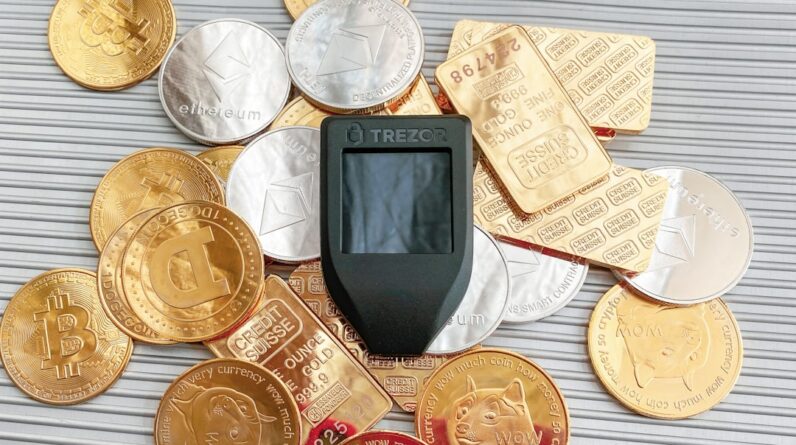
Selecting a secure wallet is one of the most critical steps you can take to protect your cryptocurrency holdings. Wallets come in various forms, including hardware wallets, software wallets, and paper wallets, each offering different levels of security and convenience. Hardware wallets, for instance, store your private keys offline, making them less susceptible to online threats.
If you prioritize security above all else, investing in a reputable hardware wallet may be your best option. On the other hand, software wallets provide greater accessibility and ease of use, allowing you to manage your assets from your computer or mobile device. However, they are more vulnerable to hacking attempts.
When choosing a wallet, consider your individual needs and how often you plan to access your funds. Regardless of the type of wallet you choose, always ensure that it has strong encryption and backup options to protect against data loss.
Researching and Selecting Reputable Exchanges
Once you have a secure wallet in place, the next step is to find a reputable exchange where you can buy and sell cryptocurrencies. The exchange you choose can significantly impact your trading experience, so it’s essential to conduct thorough research before making a decision. Look for exchanges with a solid track record of security and customer service.
Reading user reviews and checking for any history of hacks or fraud can provide valuable insights into an exchange’s reliability. Additionally, consider the fees associated with trading on different platforms. Some exchanges charge higher fees for transactions or withdrawals, which can eat into your profits over time.
You should also evaluate the range of cryptocurrencies offered by each exchange; some may specialize in popular coins like Bitcoin and Ethereum, while others may provide access to a broader selection of altcoins. By carefully selecting an exchange that aligns with your trading goals and preferences, you can enhance your overall experience in the crypto market.
Importance of Secure Passwords and Two-Factor Authentication
In an era where cyber threats are increasingly sophisticated, maintaining strong security practices is vital for protecting your cryptocurrency investments. One of the simplest yet most effective measures you can take is to create secure passwords for your accounts. A strong password should be unique, combining letters, numbers, and special characters while avoiding easily guessable information like birthdays or names.
Consider using a password manager to help generate and store complex passwords securely. In addition to strong passwords, enabling two-factor authentication (2FA) adds an extra layer of security to your accounts. 2FA requires not only your password but also a second form of verification, such as a code sent to your mobile device or generated by an authentication app.
This means that even if someone manages to obtain your password, they would still need access to your second factor to gain entry into your account. By implementing these security measures, you can significantly reduce the risk of unauthorized access to your cryptocurrency holdings.
Common Scams and How to Avoid Them

As you delve deeper into the world of cryptocurrency, it’s essential to remain vigilant against common scams that target unsuspecting investors. One prevalent scam involves phishing attempts where fraudsters impersonate legitimate exchanges or wallets to steal personal information. Always verify the authenticity of any communication you receive and avoid clicking on suspicious links or providing sensitive information without confirming the source.
Another common scam is the promise of guaranteed returns through investment schemes or initial coin offerings (ICOs). If something sounds too good to be true, it probably is. Conduct thorough research before investing in any project and be wary of high-pressure tactics urging you to invest quickly.
By staying informed about potential scams and exercising caution in your dealings, you can protect yourself from falling victim to fraudulent schemes.
Diversifying Your Crypto Portfolio
As with any investment strategy, diversification is key when it comes to cryptocurrency. By spreading your investments across different assets, you can mitigate risk and increase your chances of achieving long-term gains. While Bitcoin remains a popular choice for many investors due to its established reputation, exploring other cryptocurrencies can provide opportunities for growth in emerging markets.
Consider allocating a portion of your portfolio to established altcoins like Ethereum or Litecoin while also exploring newer projects with innovative technology or unique use cases. However, it’s essential to conduct thorough research on each asset before investing. Understanding the fundamentals behind each cryptocurrency will help you make informed decisions and build a balanced portfolio that aligns with your risk tolerance and investment goals.
Seeking Professional Advice and Education
Finally, as you navigate the complexities of cryptocurrency investing, seeking professional advice and continuing your education can be invaluable. Engaging with financial advisors who specialize in digital assets can provide personalized insights tailored to your financial situation and goals. They can help you develop a comprehensive investment strategy that considers both potential rewards and risks.
Additionally, taking advantage of educational resources such as online courses, webinars, and reputable publications can enhance your understanding of cryptocurrency markets and technologies. The more informed you are about the landscape, the better equipped you’ll be to make sound investment decisions. By prioritizing education and seeking expert guidance when needed, you can confidently navigate the ever-evolving world of cryptocurrency while minimizing risks along the way.
FAQs
What is cryptocurrency?
Cryptocurrency is a digital or virtual form of currency that uses cryptography for security and operates independently of a central bank.
Is cryptocurrency safe for beginners?
Cryptocurrency can be safe for beginners if they take the necessary precautions, such as using secure wallets, enabling two-factor authentication, and being cautious of phishing scams.
What are the risks associated with cryptocurrency for beginners?
The risks associated with cryptocurrency for beginners include price volatility, security breaches, and the potential for scams and fraud.
How can beginners ensure the safety of their cryptocurrency investments?
Beginners can ensure the safety of their cryptocurrency investments by using reputable exchanges, securing their private keys, and staying informed about potential security threats.
Are there regulations in place to protect cryptocurrency investors?
Regulations for cryptocurrency vary by country, but some jurisdictions have implemented measures to protect investors, such as licensing requirements for exchanges and anti-money laundering regulations.
What are some best practices for beginners getting started with cryptocurrency?
Some best practices for beginners getting started with cryptocurrency include conducting thorough research, diversifying their investments, and only investing what they can afford to lose.