Have you ever worried about the security of your cryptocurrency holdings? The world of digital currencies might feel exhilarating, but it can also be rife with risks. The threats of theft, cyberattacks, phishing attempts, and social engineering tactics can keep anyone awake at night. As you navigate this landscape, it’s essential to arm yourself with knowledge and strategies to safeguard your assets. Let’s break this down together.
Understanding Cryptocurrency Theft and Cyberattacks
In the vast realm of cryptocurrency, understanding the various forms of theft and cyberattacks is the first step toward protecting your assets. You need to recognize the tactics used by criminals to thin the herd and find ways to shield yourself from their reach.
The Landscape of Cyber Threats
When discussing crypto, it’s all about the potential threats lurking in the shadows. Cybercriminals have become increasingly sophisticated, utilizing innovative methods to exploit vulnerabilities. Here are some common types of cyber threats you need to be aware of:
| Threat Type | Description |
|---|---|
| Phishing Attacks | Deceptive tactics that mimic legitimate services to steal personal information. |
| Malware | Malicious software designed to gain unauthorized access to systems or networks. |
| Social Engineering | Manipulation that exploits human psychology to influence individuals into divulging confidential information. |
| Exchange Hacks | Attacks aimed at cryptocurrency exchanges to steal funds from users and wallets. |
Understanding these categories can serve as a guide for your protective measures.
Strengthening Your Security: Basic Measures
To protect your cryptocurrency holdings, start with fundamental security measures. These are simple yet effective methods that form the backbone of your defense.
Use Strong Passwords
You wouldn’t leave your front door unlocked, so why would you do the same with your digital currency wallets? Strong passwords are your first line of defense. Create unique, complex passwords for every account. Here are some best practices for crafting strong passwords:
- Utilize a combination of uppercase letters, lowercase letters, numbers, and special characters.
- Make sure it is at least 12-16 characters long.
- Avoid using easily guessable information, such as birthdays or names.
Remember, it’s important not to use the same password across multiple platforms. If one gets compromised, the others could follow suit.
Enable Two-Factor Authentication (2FA)
Adding an extra layer of security can go a long way. Two-factor authentication requires not just a password but also a second method of verifying your identity. This could be a text message with a code, an authentication app, or even a hardware token. Whenever possible, enable 2FA on your cryptocurrency accounts to drastically amplify your security.
Keep Your Software Up to Date
Developers frequently release updates to fix vulnerabilities in their software. Keeping your operating system, wallets, and antivirus programs up to date is essential in protecting yourself from potential breaches. Remember, being proactive is always better than being reactive.

Choosing the Right Wallet
Not all wallets are created equal when it comes to security. Your choice of a wallet plays a crucial role in how well you protect your cryptocurrency.
Hot Wallets vs. Cold Wallets
There are different types of wallets available to store your cryptocurrency. Understanding the difference between hot and cold wallets can significantly affect how secure your assets are.
| Wallet Type | Description | Which to Use? |
|---|---|---|
| Hot Wallets | Online wallets connected to the internet, easy to access and use. | Suitable for small transactions and everyday use. Vulnerable to cyberattacks. |
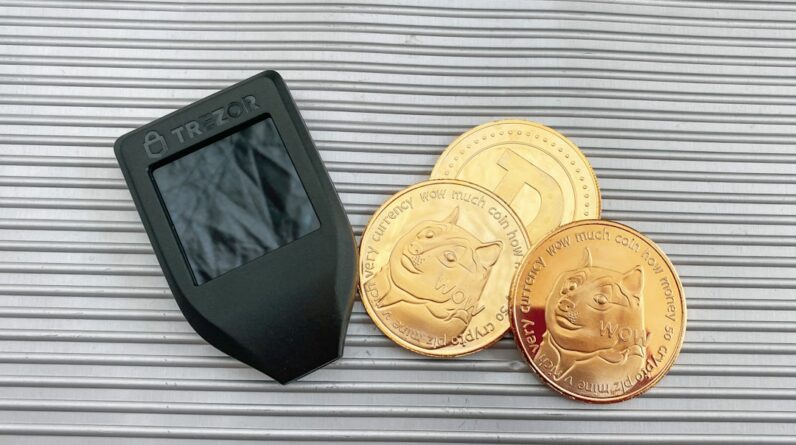
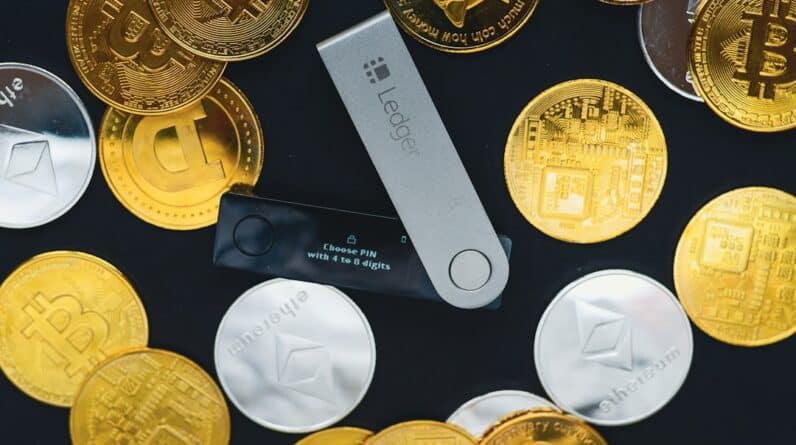
| Cold Wallets | Offline wallets that are not connected to the internet, such as hardware wallets or paper wallets. | Best for long-term storage of significant amounts of cryptocurrency. Much harder for hackers to access. |
If you are serious about safeguarding your portfolio, consider using cold wallets for storing the bulk of your assets.
Being Aware of Phishing Attempts
Phishing is a common tactic that can lead to significant losses. Being aware of how these scams work can help you avoid falling victim to them.
Recognizing Phishing Emails
Typically, phishing emails will mimic legitimate services, attempting to trick you into entering your credentials on fake websites. Here are some red flags to watch out for:
- Generic greetings such as “Dear User”.
- Misspellings or grammatical errors.
- Unrecognized email addresses or domains.
- Urgency in their requests, urging you to act quickly.
Always double-check the sender’s email address and the website URL before taking any action. When in doubt, navigate to the official site through your browser rather than clicking on links in emails.
Identifying Phishing Websites
Phishing websites often look almost identical to the real thing, making detection difficult. Here are some tips to spot them:
- Check the URL for misspellings or unusual characters.
- Look for “https://” and a padlock symbol in the address bar. If these aren’t present, proceed with caution.
- Avoid entering any information if you’re unsure about the site’s legitimacy.
If something feels off, trust your instincts and steer clear.

Guarding Against Malware
Malware can infiltrate your devices and steal information without you even realizing it. It’s vital to adopt protective measures to mitigate this risk.
Install Antivirus and Antimalware Software
Having reliable security software is crucial for safeguarding your devices against malware. Opt for reputable brands that offer real-time protection. Regularly scan your systems to catch any potential threats.
Regularly Backup Your Data
In the unfortunate event that malware does compromise your system, having secure backups can save you from losing valuable information. Periodically back up your wallet data and accounts, storing them in a secure location. This could help you recover your information without succumbing to demands from attackers.
Social Engineering Tactics: Recognizing the Manipulation
Social engineering preys on human psychology, and recognizing the tactics used by scammers can help you stay vigilant.
Understanding the Tactics
Common tactics include:
- Impersonating authority figures: Scammers often pose as personnel from your bank or cryptocurrency exchange, claiming to need your information to verify your account.
- Creating a false sense of urgency: Scammers pressure individuals to act quickly, sometimes suggesting that funds are at risk.
You should always take a moment to analyze any requests for personal information and verify their legitimacy before taking action.
Educate Yourself and Others
Sharing knowledge about social engineering can prevent both you and your peers from falling victim to scams. Encourage open discussions around security practices, and stay updated on the latest scams and how to protect against them.

Trading Safely on Exchanges
Exchanges are popular for trading cryptocurrencies, but they also come with their own sets of risks. Understanding how to navigate these platforms can help you minimize your exposure.
Choosing Reputable Exchanges
Select exchanges known for their security measures. Look for platforms that utilize strong security protocols, user reviews, and a history of reliable operation. Some indicators of a trustworthy exchange include:
- Regulatory compliance
- Insurance policies for digital assets
- Transparent fee structures
Always conduct thorough research before depositing funds.
Keeping Funds in Exchange Only When Necessary
While it may be convenient to keep funds on an exchange, it’s safer to move them to a private wallet when not actively trading. Exchanges can be prime targets for hackers. If you have large amounts of cryptocurrency, consider withdrawing them to a more secure wallet whenever possible.
Storing Your Private Keys Safely
Private keys are critical to accessing your cryptocurrency, which makes them prime targets for attackers. You must take steps to secure them properly.
Avoid Cloud Storage
While storing your private keys in cloud storage seems convenient, it poses a high risk. Cloud accounts can be hacked, putting your assets in jeopardy. Instead, consider using hardware wallets or encrypted USB drives for storage.
Secure Your Physical Wallets
If you’re using a cold wallet, ensure that it’s stored in a safe location. Whether it’s a hardware wallet or a paper wallet, keep it in a secure and secret spot to prevent unauthorized access. Handling these assets with care is essential for maintaining your security.

Regularly Monitor Your Accounts
Consistency is key. Regularly monitoring your accounts helps you quickly detect any suspicious activity.
Set Up Alerts
Many exchanges and wallets offer alert systems for transactions. Configure notifications for account logins, withdrawals, or unusual account activity. This can provide an early warning and give you the opportunity to take immediate action if needed.
Review Your Transactions
Periodically review your transaction history. Noticing unrecognized transactions early increases your chances of resolving the situation quickly. Watch for any inconsistencies, and don’t hesitate to report any suspicious activity.
Conclusion: Stay Vigilant and Adapt
In the ever-evolving landscape of cryptocurrency, maintaining a proactive mindset is crucial. Protecting your holdings from potential theft and cyberattacks, including phishing attempts, malware, and social engineering tactics, requires constant vigilance.
Utilize the security measures discussed, stay informed about the latest scams, and share your knowledge with fellow traders. By adopting a comprehensive approach to your cryptocurrency security, you’re not only safeguarding your assets but also contributing to a safer digital realm for everyone.
The world of cryptocurrency is fast-paced and exciting, but it also demands respect and caution. Continue learning, stay adaptable, and remember, your security is in your hands.