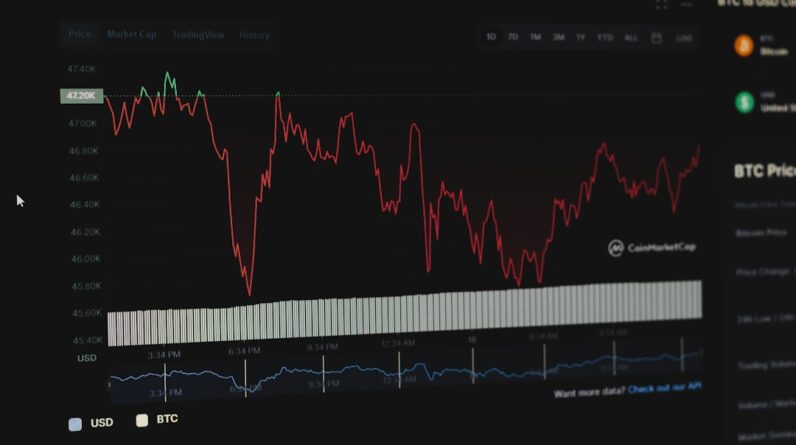
What if navigating the complexities of cryptocurrency taxation could be more straightforward? If you’re venturing into the world of cryptocurrencies, you might already know just how intricate it can be when it comes to taxation, reporting requirements, and compliance. That being said, don’t let tax season stress you out. With the right approach to record-keeping and understanding your duties regarding gains and losses, you can manage your cryptocurrency investments like a pro.
Understanding Cryptocurrency and Taxation
Cryptocurrency isn’t just a tech trend—it represents a digital revolution in how we think about money and investing. But with this revolutionary change comes regulatory scrutiny and tax implications that you, as an investor, need to understand.
Cryptocurrencies function on decentralized networks, primarily blockchain technology. These digital currencies operate outside traditional banking systems, which can raise questions about how they should be treated for tax purposes. The IRS in the United States, for instance, sees cryptocurrencies as property rather than currency. This distinction is crucial because it determines how gains and losses are calculated.
The Basics of Cryptocurrency Taxation
So, what does it mean when the IRS classifies cryptocurrencies as property? It implies that any time you sell, trade, or exchange cryptocurrency, those actions can trigger capital gains or losses. If you sell your Bitcoin at a higher price than what you paid for it, you make a profit, which typically incurs capital gains tax.
Here’s a simplified table that illustrates how taxes on capital gains work:
| Action | Result | Tax Implication |
|---|---|---|
| Sell cryptocurrency for cash | Profit | Capital gains tax applies |
| Trade one cryptocurrency for another | Profit or Loss | Capital gains or losses apply |
| Hold cryptocurrency | No action | No tax implication |
As you can see, understanding your transactions and keeping accurate records is vital.
Reporting Requirements You Should Know
When it comes to reporting your cryptocurrency transactions, things can get a little complicated. The IRS requires you to report any gains or losses from your cryptocurrency transactions on your tax return. Failing to do this could lead to penalties.
Form 8949: Capital Gains and Losses
Form 8949 is where you report capital gains and losses from your cryptocurrency dealings. Each transaction is listed on this form, detailing the date of acquisition, date of sale, proceeds, cost basis, and the resulting gain or loss.
Here’s a simple template you might find useful:
| Date Acquired | Date Sold | Proceeds | Cost Basis | Gain or Loss |
|---|---|---|---|---|
| MM/DD/YYYY | MM/DD/YYYY | $X | $Y | $X – $Y |
For each transaction, fill in the relevant information. Once you’ve compiled your totals, they will flow through to Schedule D of your tax return.
Keeping Track of Your Transactions
As you deal with cryptocurrencies, you might find it increasingly challenging to track transactions manually, especially if you’re trading frequently. This is where embracing technology can simplify your life. Consider using specialized software or apps designed to track cryptocurrency transactions and calculate your gains and losses automatically.

The Importance of Accurate Record-Keeping
Imagine the headache of trying to remember every purchase and sale you made over the past year. Accurate record-keeping isn’t just a good practice; it’s essential for compliance with tax codes. You want to have all your necessary information at your fingertips when tax season rolls around.
What Records Should You Keep?
Here’s a quick list of records that you should retain for your cryptocurrency transactions:
- Transaction Date: When did you buy, sell, or trade the cryptocurrency?
- Amount: How much cryptocurrency did you acquire or dispose of?
- Value: What was the fair market value of the cryptocurrency at the time of the transaction?
- Purpose: Why did you conduct the transaction—was it for investment, payment, or another reason?
- Exchange Details: If applicable, retain any relevant information regarding exchanges where transactions took place.
By recording these details, you’ll simplify your reporting process and ensure you’re compliant with IRS regulations.
Gaining Insights Into Gains and Losses
Understanding how to report gains and losses on your cryptocurrency investments is essential for accurate taxation. Let’s break down how you can identify these various aspects.
Realized Gains vs. Unrealized Gains
A critical distinction you need to understand is between realized and unrealized gains. Realized gains occur when you sell your cryptocurrency for a profit, while unrealized gains reflect an increase in value that has yet to be harvested by selling.
| Type of Gain | Definition | Tax Implication |
|---|---|---|
| Realized Gain | Profit from selling cryptocurrency | Taxable event |
| Unrealized Gain | Value increase without selling | No tax is due |
By clearly differentiating between the two, you can manage your expectations come tax season.
Short-Term vs. Long-Term Capital Gains
Another crucial factor to consider when reporting your gains is whether your transaction falls into the short-term or long-term capital gains category. It hinges on how long you’ve held the asset before selling it.
- Short-Term Capital Gains: If you hold your cryptocurrency for one year or less, your gains are taxed as ordinary income—this often means a higher tax rate.
- Long-Term Capital Gains: Holding your cryptocurrency for longer than one year can qualify you for lower tax rates on gains—this can be significantly beneficial.
Example of Capital Gain Calculation
Here’s a quick example to help you visualize how to report a capital gain:
Imagine you purchased 1 Bitcoin for $10,000 and then sold it six months later for $15,000.
- Total Sale Proceeds: $15,000
- Cost Basis: $10,000
- Capital Gain: $15,000 – $10,000 = $5,000
In this example, since you held the Bitcoin for less than a year, you’d report a short-term capital gain of $5,000 on your tax forms.

Compliance with IRS Regulations
The IRS has specific guidelines that all cryptocurrency investors need to adhere to for compliance. Understanding these regulations can shorten your learning curve and make tax season a little less painful.
Cryptocurrency as Property
As mentioned earlier, the IRS treats cryptocurrency as property. Therefore, any transaction triggering gains or losses falls under the same scrutiny as selling stocks or real estate. Familiarizing yourself with these rules can put you a step ahead.
Tax Evasion Consequences
It’s tempting to consider not reporting certain gains, but the risks far outweigh the benefits. The IRS is actively enforcing tax laws related to cryptocurrencies, which means you could face severe penalties, including fines or even jail time in extreme cases.
Utilizing Professional Help
Sometimes, the intricacies of tax law can be overwhelming. It’s perfectly okay to seek help from professionals who specialize in cryptocurrency taxation.
Tax Professionals vs. DIY
Choosing between hiring a tax professional and filing your taxes yourself ultimately depends on your comfort level and the complexity of your cryptocurrency transactions.
- Tax Professionals: Experts can provide valuable insights, ensure compliance, and help you strategize on minimizing your tax liabilities. It can be particularly useful for those with extensive trading history or complex scenarios.
- DIY Filers: If your cryptocurrency dealings are straightforward, using tax software tailored for cryptocurrency can simplify your reporting process and potentially save on professional fees.
Finding Reliable Professionals
When searching for tax professionals, consider their experience with cryptocurrencies. Make sure to ask about their familiarity with tax laws surrounding digital assets, as not all advisors have the same level of expertise in this developing area.

Future of Cryptocurrency Taxation
It’s important to stay updated because cryptocurrency taxation is rapidly evolving. Many jurisdictions are adjusting their regulations in response to this growing asset class, which demonstrates that your diligence in record-keeping and compliance will pay off in the long run.
Keeping Abreast of Legislative Changes
Follow reputable news sources or join communities focused on cryptocurrency taxation. Engaging with like-minded individuals can also provide you insights into how others are handling their tax situations and what changes they may be anticipating.
Potential Changes on the Horizon
Legislation around cryptocurrencies is still in the toddler stage—ever-changing and not entirely developed. The IRS may introduce further guidelines or adjustments in the future based on how cryptocurrencies evolve in society and the economy.
Conclusion: A Balanced Approach to Taxation
Understanding cryptocurrency taxation may seem daunting at first, but you’ve taken the first step simply by engaging with this information. With a bit of time, effort, and perhaps some professional guidance, you can navigate the complexities of tax reporting, compliance, and record-keeping.
Consider this an ongoing journey—each tax season merely a stop along the way. Adopting a proactive and educated approach will enable you to manage your cryptocurrency investments responsibly while staying compliant with tax regulations.
By breaking down your responsibilities and understanding the nuances of taxation, you can save both time and stress come tax time. Remember—you’re not alone in this journey, and with awareness and good practices, you can ensure your financial future is as bright as your digital assets!