As you embark on your journey into the world of cryptocurrency, it’s essential to grasp the fundamental concepts that underpin this digital revolution. At its core, cryptocurrency is a form of digital or virtual currency that uses cryptography for security. Unlike traditional currencies issued by governments, cryptocurrencies operate on decentralized networks based on blockchain technology.
This means that transactions are recorded on a public ledger, ensuring transparency and security while eliminating the need for intermediaries like banks. You may find it fascinating that the first and most well-known cryptocurrency, Bitcoin, was created in 2009 by an anonymous person or group known as Satoshi Nakamoto. Since then, thousands of alternative cryptocurrencies, often referred to as altcoins, have emerged, each with unique features and purposes.
Understanding the differences between these currencies is crucial as you navigate this complex landscape. Some cryptocurrencies focus on privacy, while others aim to facilitate smart contracts or decentralized applications. By familiarizing yourself with these distinctions, you can make informed decisions about which cryptocurrencies align with your investment goals.
Key Takeaways
- Cryptocurrency is a digital or virtual form of currency that uses cryptography for security and operates independently of a central bank.
- When choosing a cryptocurrency exchange, consider factors such as security, fees, available cryptocurrencies, and user interface.
- Setting up a wallet involves choosing between a hardware, software, or paper wallet, and ensuring that it is secure and backed up.
- When buying cryptocurrency, consider factors such as the current market price, payment methods, and transaction fees.
- Selling cryptocurrency involves choosing the right time to sell, selecting a suitable exchange, and considering tax implications.
Choosing a Cryptocurrency Exchange
Once you have a solid understanding of cryptocurrency, the next step is to choose a cryptocurrency exchange where you can buy and sell these digital assets. The exchange you select plays a pivotal role in your trading experience, so it’s important to consider several factors before making a decision. First and foremost, you should evaluate the exchange’s reputation and security measures.
Look for exchanges that have been in operation for several years and have a track record of protecting user funds. Additionally, consider the variety of cryptocurrencies offered on the platform. Some exchanges specialize in popular coins like Bitcoin and Ethereum, while others provide access to a broader range of altcoins.
Depending on your investment strategy, you may want to choose an exchange that aligns with your interests. Furthermore, pay attention to the fees associated with trading on the platform. Different exchanges have varying fee structures, including trading fees, withdrawal fees, and deposit fees.
By comparing these costs, you can find an exchange that offers competitive rates while meeting your trading needs.
Setting Up a Wallet

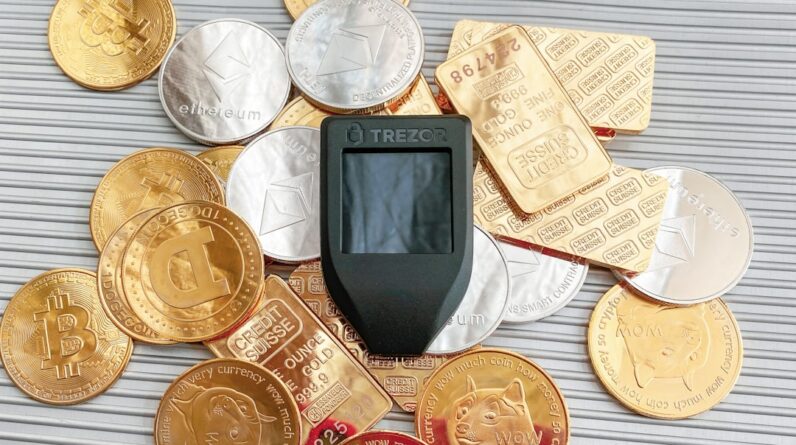
After selecting a cryptocurrency exchange, the next crucial step is setting up a wallet to store your digital assets securely. A cryptocurrency wallet is a software application or hardware device that allows you to manage your cryptocurrencies by providing you with a unique address for sending and receiving funds. There are several types of wallets available, each with its advantages and disadvantages.
For instance, hot wallets are connected to the internet and offer convenience for frequent trading, while cold wallets are offline and provide enhanced security for long-term storage. When choosing a wallet, consider your specific needs and how you plan to use your cryptocurrencies. If you intend to trade frequently, a hot wallet may be more suitable due to its ease of access.
However, if you’re looking to hold your assets for an extended period, investing in a cold wallet could be a wise decision to protect against potential hacks or thefts. Regardless of the type of wallet you choose, always remember to back up your wallet information and keep your private keys secure. Losing access to your wallet can result in losing your entire investment.
Buying Cryptocurrency
With your wallet set up and your chosen exchange ready, you can now proceed to buy cryptocurrency. The process typically begins by creating an account on the exchange and completing any necessary verification steps. This may involve providing personal information and identification documents to comply with regulatory requirements.
Once your account is verified, you can deposit funds into it using various payment methods such as bank transfers or credit cards. When you’re ready to make your purchase, navigate to the trading section of the exchange and select the cryptocurrency you wish to buy. You’ll have the option to place different types of orders, such as market orders or limit orders.
A market order allows you to buy at the current market price, while a limit order lets you set a specific price at which you’re willing to buy. After placing your order, it will be executed based on the conditions you’ve set. Once the transaction is complete, ensure that you transfer your newly acquired cryptocurrency from the exchange to your wallet for safekeeping.
Selling Cryptocurrency
Selling cryptocurrency can be just as straightforward as buying it, but there are several factors to consider before making a sale. First, assess the current market conditions and determine whether it’s an opportune time to sell based on your investment strategy. Cryptocurrency prices can be highly volatile, so timing your sale can significantly impact your returns.
You may want to set specific price targets or use technical analysis tools to help guide your decision-making process. When you’re ready to sell, log into your exchange account and navigate to the trading section again. Select the cryptocurrency you wish to sell and choose whether you want to place a market order or a limit order.
If you opt for a market order, your sale will be executed immediately at the current market price. Conversely, if you choose a limit order, your sale will only go through once the price reaches your specified target. After completing the sale, remember to transfer any fiat currency or other assets back into your bank account or wallet as needed.
Security Measures

As you engage in buying and selling cryptocurrencies, prioritizing security is paramount. The digital nature of cryptocurrencies makes them susceptible to various threats such as hacking and phishing attacks. To safeguard your investments, consider implementing multiple layers of security measures.
Start by enabling two-factor authentication (2FA) on both your exchange account and wallet. This adds an extra layer of protection by requiring a second form of verification beyond just your password. Additionally, be cautious about sharing personal information online and avoid clicking on suspicious links or emails that could lead to phishing attempts.
Regularly updating your software and using strong passwords can also help protect against unauthorized access. If you’re using a hot wallet for trading purposes, consider transferring larger amounts of cryptocurrency into a cold wallet for long-term storage. By taking these precautions seriously, you can significantly reduce the risk of losing your assets due to security breaches.
Tax Implications
As you navigate the world of cryptocurrency trading, it’s crucial to understand the tax implications associated with buying and selling digital assets. In many countries, cryptocurrencies are treated as property rather than currency for tax purposes. This means that any gains or losses from trading cryptocurrencies may be subject to capital gains tax.
It’s essential to keep accurate records of all transactions, including dates, amounts, and prices at which you bought or sold each asset. Consulting with a tax professional who is knowledgeable about cryptocurrency regulations in your jurisdiction can help ensure compliance with tax laws. They can guide you on how to report your gains accurately and advise on any potential deductions or credits available for cryptocurrency transactions.
By staying informed about tax obligations related to cryptocurrency trading, you can avoid unexpected liabilities when tax season arrives.
Staying Informed
The cryptocurrency landscape is constantly evolving, with new developments occurring daily. To navigate this dynamic environment successfully, staying informed is essential. Follow reputable news sources and industry experts who provide insights into market trends, regulatory changes, and technological advancements within the crypto space.
Engaging with online communities and forums can also offer valuable perspectives from fellow investors and traders. Consider subscribing to newsletters or podcasts focused on cryptocurrency topics that interest you most. By actively seeking out information and remaining engaged with the community, you’ll be better equipped to make informed decisions regarding your investments.
Remember that knowledge is power in the world of cryptocurrency; staying informed will not only enhance your trading experience but also help you adapt to changes in this fast-paced market. In conclusion, entering the world of cryptocurrency requires careful consideration and informed decision-making at every step of the process—from understanding what cryptocurrency is to choosing an exchange and implementing security measures. By following these guidelines and remaining vigilant about market trends and regulations, you can navigate this exciting landscape with confidence and potentially reap significant rewards from your investments.
FAQs
What is cryptocurrency?
Cryptocurrency is a digital or virtual form of currency that uses cryptography for security and operates independently of a central bank.
How do you buy cryptocurrency?
You can buy cryptocurrency through online exchanges, where you can use traditional currency to purchase various types of cryptocurrencies such as Bitcoin, Ethereum, or Litecoin.
How do you sell cryptocurrency?
To sell cryptocurrency, you can use an online exchange platform to trade your digital assets for traditional currency or other cryptocurrencies.
What are the risks of buying and selling cryptocurrency?
The risks of buying and selling cryptocurrency include price volatility, security concerns, and the potential for regulatory changes that could impact the value and legality of certain cryptocurrencies.
What are some popular cryptocurrency exchanges?
Popular cryptocurrency exchanges include Coinbase, Binance, Kraken, and Bitfinex, among others.
What is a cryptocurrency wallet?
A cryptocurrency wallet is a digital tool that allows you to securely store, send, and receive various types of cryptocurrencies. There are different types of wallets, including hardware wallets, software wallets, and paper wallets.
What are the tax implications of buying and selling cryptocurrency?
The tax implications of buying and selling cryptocurrency vary by country and can include capital gains taxes, income taxes, and reporting requirements for cryptocurrency transactions. It is important to consult with a tax professional to understand the specific tax implications in your jurisdiction.