A Bitcoin debit card is a financial tool that allows you to spend your cryptocurrency in a manner similar to traditional debit cards. By linking your Bitcoin wallet to the card, you can convert your digital assets into fiat currency at the point of sale. This means that you can use your Bitcoin to make everyday purchases, whether at a local grocery store or an online retailer.
The convenience of being able to use cryptocurrency in a familiar format has made Bitcoin debit cards increasingly popular among crypto enthusiasts and casual users alike. These cards typically come with a range of features that enhance their usability. For instance, many Bitcoin debit cards offer mobile apps that allow you to track your spending, manage your cryptocurrency holdings, and even convert between different cryptocurrencies.
This integration of digital finance with traditional spending methods represents a significant step toward mainstream adoption of cryptocurrencies. As you explore the world of Bitcoin debit cards, you’ll find that they serve as a bridge between the digital and physical realms of currency.
Key Takeaways
- A Bitcoin debit card is a physical or virtual card that allows users to spend their Bitcoin at any merchant that accepts debit or credit cards.
- Bitcoin debit cards work by converting Bitcoin into fiat currency at the point of sale, allowing users to make purchases with their Bitcoin balance.
- Benefits of using a Bitcoin debit card include the ability to spend Bitcoin at any merchant that accepts debit or credit cards, as well as the convenience of using a familiar payment method.
- Potential drawbacks of using a Bitcoin debit card include fees, exchange rate fluctuations, and the risk of theft or fraud.
- To get a Bitcoin debit card, users can sign up with a provider, verify their identity, and fund the card with Bitcoin. Different providers offer different features and fees, so it’s important to compare options before choosing a card.
How does a Bitcoin Debit Card work?
The operation of a Bitcoin debit card is relatively straightforward, yet it involves several key processes that make it unique. When you make a purchase using the card, the amount is deducted from your Bitcoin wallet rather than a traditional bank account. The card issuer converts the necessary amount of Bitcoin into the local currency at the time of the transaction, allowing you to pay seamlessly without needing to worry about fluctuating exchange rates.
This conversion happens in real-time, ensuring that you can spend your cryptocurrency just like cash. To use a Bitcoin debit card, you first need to load it with Bitcoin or other supported cryptocurrencies. This can usually be done through a mobile app or online platform provided by the card issuer.
Once your card is loaded, you can use it at any merchant that accepts debit cards, both online and offline. The ease of use is one of the primary reasons why many people are drawn to these cards, as they eliminate the need for complex transactions or exchanges when making purchases.
Benefits of using a Bitcoin Debit Card

One of the most significant advantages of using a Bitcoin debit card is the convenience it offers. You can easily access your cryptocurrency holdings and spend them without having to convert them into fiat currency beforehand. This means that you can take advantage of price fluctuations in the cryptocurrency market while still enjoying the benefits of everyday spending.
Additionally, many Bitcoin debit cards come with features such as cashback rewards or discounts at certain retailers, making them an attractive option for savvy shoppers. Another benefit is the increased financial privacy that comes with using a Bitcoin debit card. Unlike traditional bank accounts, which often require extensive personal information, many cryptocurrency platforms prioritize user anonymity.
This means that you can make purchases without revealing your identity or financial history, providing an added layer of security for those who value their privacy. Furthermore, as cryptocurrencies continue to gain acceptance worldwide, having a Bitcoin debit card allows you to participate in this growing trend while enjoying the flexibility of digital currency.
Potential drawbacks of using a Bitcoin Debit Card
Despite their many advantages, Bitcoin debit cards are not without their drawbacks. One potential issue is the volatility of cryptocurrency prices. Since the value of Bitcoin can fluctuate significantly within short periods, you may find that the amount you loaded onto your card could lose value before you have a chance to spend it.
This volatility can make budgeting more challenging and may lead to unexpected costs when converting your cryptocurrency into fiat currency. Additionally, fees associated with Bitcoin debit cards can be a concern. Many issuers charge transaction fees, monthly maintenance fees, or withdrawal fees when using ATMs.
These costs can add up quickly and may negate some of the benefits you gain from using the card in the first place. It’s essential to carefully review the fee structure of any Bitcoin debit card before committing to ensure that it aligns with your financial goals and spending habits.
How to get a Bitcoin Debit Card
Acquiring a Bitcoin debit card is generally a straightforward process, but it does require some initial steps on your part. First, you’ll need to research various card issuers to find one that meets your needs in terms of fees, supported cryptocurrencies, and features. Once you’ve selected an issuer, you’ll typically need to create an account on their platform and complete any necessary identity verification processes.
After setting up your account, you can apply for the card itself. This may involve providing additional information and agreeing to the terms and conditions set forth by the issuer. Once approved, you’ll receive your card in the mail or digitally if it’s a virtual card.
After activating it and loading it with Bitcoin or other cryptocurrencies, you’ll be ready to start spending your digital assets in everyday transactions.
Comparing different Bitcoin Debit Card options

When considering which Bitcoin debit card to choose, it’s essential to compare various options based on several criteria. Start by looking at the fees associated with each card, as these can vary significantly between issuers. Some cards may offer lower transaction fees but charge higher monthly maintenance fees, while others might have no monthly fees but higher transaction costs.
Understanding how these fees will impact your overall spending is crucial for making an informed decision. Next, consider the features offered by each card. Some Bitcoin debit cards come with additional perks such as cashback rewards, discounts at specific retailers, or even travel benefits like insurance coverage for trips booked with the card.
Additionally, check which cryptocurrencies are supported by each card; some may only allow Bitcoin transactions while others support multiple digital currencies. By evaluating these factors, you can select a Bitcoin debit card that aligns with your financial habits and lifestyle.
Security considerations when using a Bitcoin Debit Card
Security is paramount when dealing with cryptocurrencies and financial transactions. When using a Bitcoin debit card, it’s essential to ensure that both your funds and personal information are protected. Start by choosing a reputable issuer with strong security measures in place, such as two-factor authentication (2FA) and encryption protocols for data protection.
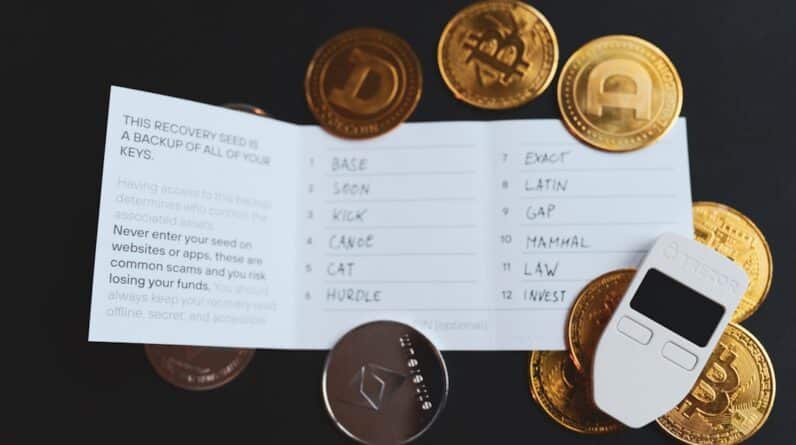
These features help safeguard your account from unauthorized access and potential fraud. Additionally, be mindful of how you store your private keys and wallet information. If you’re using a non-custodial wallet linked to your debit card, ensure that you keep this information secure and backed up in case of loss or theft.
Regularly monitoring your account activity for any suspicious transactions is also advisable; if you notice anything unusual, report it immediately to your card issuer for further investigation.
The future of Bitcoin Debit Cards
As cryptocurrencies continue to gain traction in mainstream finance, the future of Bitcoin debit cards looks promising. With increasing acceptance among merchants and consumers alike, these cards are likely to become more prevalent in everyday transactions. Innovations in technology may lead to enhanced features such as instant conversion rates or improved security measures that further streamline the user experience.
Moreover, as regulatory frameworks around cryptocurrencies evolve, we may see more traditional financial institutions entering the space by offering their own versions of Bitcoin debit cards. This could lead to greater competition among issuers and potentially lower fees for consumers. As you navigate this rapidly changing landscape, staying informed about developments in cryptocurrency and payment technologies will be crucial for maximizing the benefits of using a Bitcoin debit card in your financial life.