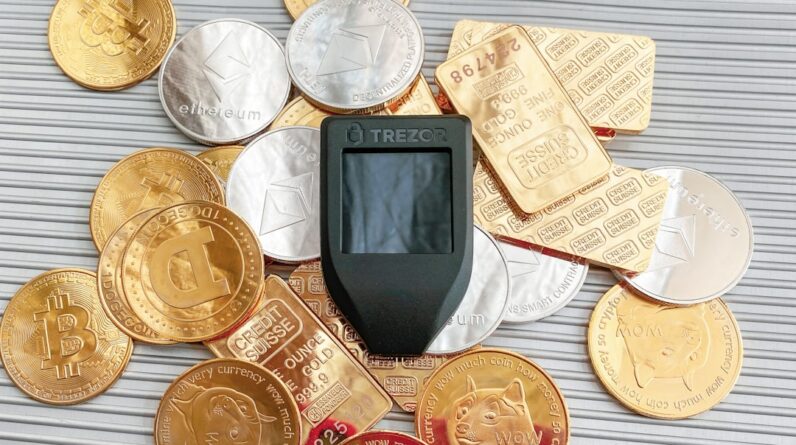
Cryptocurrency is a digital or virtual form of currency that uses cryptography for security, making it nearly impossible to counterfeit or double-spend. Unlike traditional currencies issued by governments, cryptocurrencies operate on decentralized networks based on blockchain technology. This means that transactions are recorded on a public ledger, ensuring transparency and security.
As you delve into the world of cryptocurrency, you’ll discover that it offers a new way to think about money, transactions, and even the concept of value itself. The most well-known cryptocurrency is Bitcoin, which was created in 2009 by an anonymous person or group of people using the pseudonym Satoshi Nakamoto. Since then, thousands of alternative cryptocurrencies, often referred to as altcoins, have emerged, each with unique features and purposes.
As you explore these digital currencies, you’ll find that they can serve various functions, from acting as a medium of exchange to providing smart contract capabilities or enabling decentralized applications. Understanding the underlying technology and the different types of cryptocurrencies will empower you to make informed decisions about your investments and transactions.
Key Takeaways
- Cryptocurrency is a digital or virtual form of currency that uses cryptography for security and operates independently of a central bank.
- Setting up a crypto wallet is essential for storing, sending, and receiving cryptocurrencies, and there are different types of wallets to choose from, such as hardware, software, and paper wallets.
- Finding merchants that accept crypto can be done through online directories, apps, or by simply asking businesses if they accept cryptocurrency payments.
- Making a purchase with crypto involves scanning a QR code or entering the recipient’s wallet address and confirming the transaction.
- Managing crypto transactions requires keeping track of purchases, sales, and transfers, and using tools like transaction history and blockchain explorers can help monitor and verify transactions.
Setting Up a Crypto Wallet
Understanding the Different Types of Wallets
Each type has its own advantages and disadvantages, so it’s essential to choose one that aligns with your needs and level of expertise. Hardware wallets are physical devices that store your private keys offline, providing an extra layer of security against hacking and malware. If you’re serious about investing in cryptocurrency and plan to hold your assets long-term, a hardware wallet might be the best option for you.
Software and Online Wallets: Convenience vs. Security
On the other hand, software wallets are applications that can be installed on your computer or smartphone. They offer convenience for everyday transactions but may be more vulnerable to cyber threats. Online wallets, often provided by exchanges, allow you to access your funds from anywhere with an internet connection but come with risks associated with third-party management.
Securing Your Wallet: Best Practices
Whichever option you choose, ensure that you follow best practices for securing your wallet, such as enabling two-factor authentication and keeping your recovery phrases safe.
Finding Merchants that Accept Crypto

As cryptocurrency gains popularity, more merchants are beginning to accept it as a form of payment. To make the most of your crypto holdings, you’ll want to identify businesses that welcome digital currencies. Many online retailers now accept cryptocurrencies directly or through payment processors that convert crypto into fiat currency at the point of sale.
You can start by checking popular e-commerce platforms or local businesses in your area that have embraced this innovative payment method. There are also various resources available to help you locate merchants that accept cryptocurrency. Websites and apps dedicated to mapping crypto-friendly businesses can provide you with a comprehensive list of places where you can spend your digital assets.
Additionally, social media platforms and online forums often feature discussions about local businesses that accept crypto payments. By actively seeking out these merchants, you can enjoy the benefits of using cryptocurrency in your everyday life while supporting businesses that share your interest in this emerging financial landscape.
Making a Purchase with Crypto
Once you’ve identified a merchant that accepts cryptocurrency, making a purchase is typically straightforward. Most transactions involve scanning a QR code or entering the recipient’s wallet address along with the amount you wish to send. Before finalizing the transaction, double-check the details to ensure accuracy; cryptocurrency transactions are irreversible, meaning that once you send your funds, there’s no way to recover them if you make a mistake.
When making a purchase with crypto, it’s also essential to consider transaction fees and processing times. Depending on the cryptocurrency you’re using and the network congestion at the time of your transaction, fees can vary significantly. Some cryptocurrencies offer faster transaction speeds than others, which can be crucial if you’re making time-sensitive purchases.
By being aware of these factors, you can optimize your spending experience and avoid any unexpected surprises during the checkout process.
Managing Crypto Transactions
Managing your cryptocurrency transactions effectively is vital for maintaining control over your finances. Keeping track of your spending can help you understand how much you’re using your digital assets and assist in budgeting for future purchases. Many wallets come equipped with built-in transaction history features that allow you to view past transactions easily.
However, if you’re using multiple wallets or different cryptocurrencies, it may be beneficial to use dedicated portfolio management tools or apps. These tools can help you consolidate your transaction data across various wallets and provide insights into your spending habits. By analyzing this information, you can identify trends in your purchases and make informed decisions about future transactions.
Additionally, maintaining accurate records of your crypto spending is essential for tax purposes, as many jurisdictions require individuals to report their cryptocurrency transactions when filing taxes.
Keeping Track of Your Crypto Spending
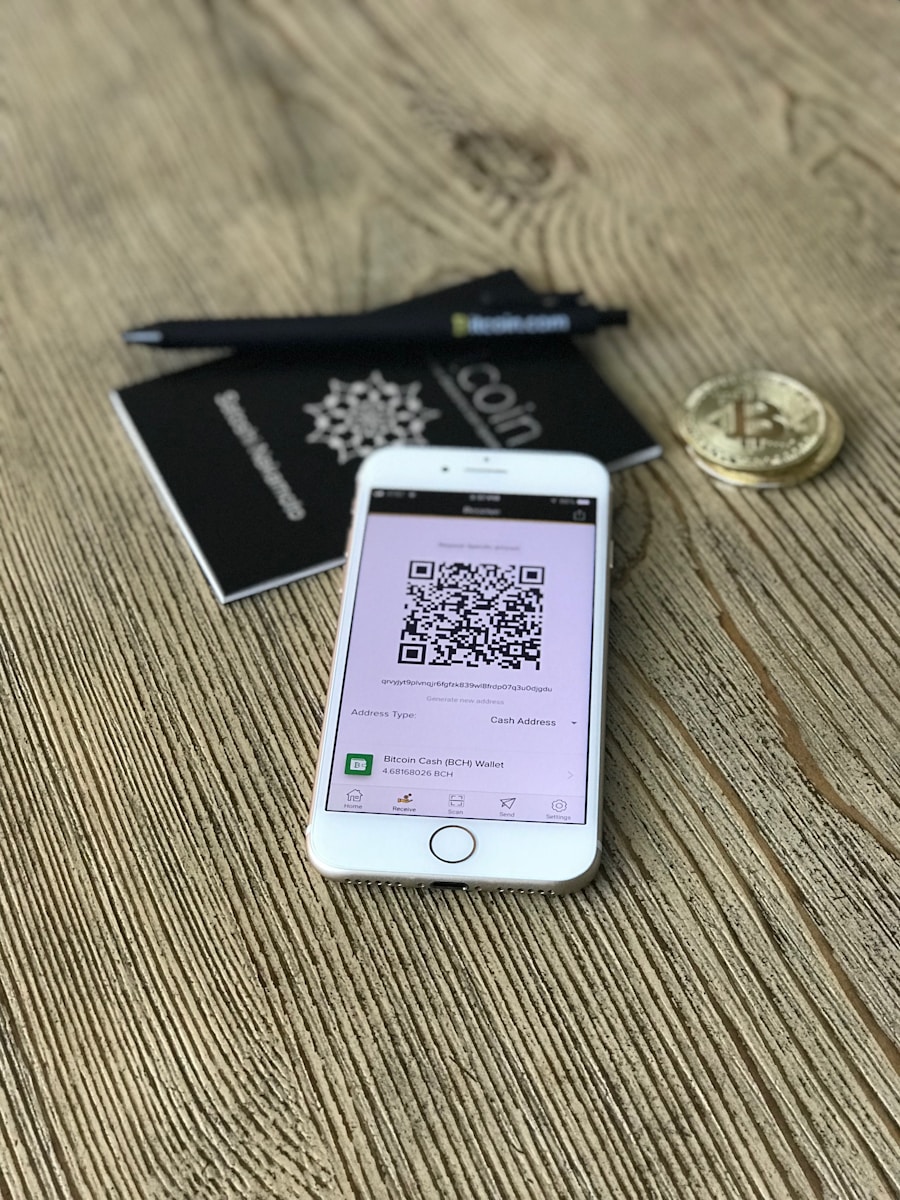
Tracking your crypto spending is not only important for personal finance management but also for understanding the overall performance of your investments. As the value of cryptocurrencies can fluctuate dramatically over short periods, keeping an eye on how much you’ve spent versus how much your holdings are worth can provide valuable insights into your financial health. You might consider creating a simple spreadsheet or using specialized software designed for tracking cryptocurrency transactions.
In addition to monitoring your spending habits, it’s wise to categorize your purchases for better analysis. For instance, you could separate transactions into categories such as groceries, entertainment, or travel expenses. This categorization will help you identify areas where you might want to cut back or allocate more funds in the future.
By taking these steps to keep track of your crypto spending, you’ll gain a clearer picture of how this innovative currency fits into your overall financial strategy.
Understanding the Risks and Benefits
While using cryptocurrency for everyday purchases offers numerous benefits, it’s essential to understand the associated risks as well. One significant advantage is the potential for lower transaction fees compared to traditional payment methods, especially for international transfers. Additionally, cryptocurrencies provide a level of privacy and security that many users find appealing; transactions do not require personal information like credit card numbers or bank details.
However, there are also risks involved in using cryptocurrency for purchases. The volatility of digital currencies means that their value can change rapidly; what may seem like a reasonable price today could be significantly higher or lower tomorrow. Furthermore, the regulatory landscape surrounding cryptocurrencies is still evolving, which could impact their acceptance and usability in the future.
By weighing these risks against the benefits, you can make informed decisions about how and when to use cryptocurrency in your daily life.
Tips for Using Crypto for Everyday Purchases
To maximize your experience using cryptocurrency for everyday purchases, consider implementing some practical tips. First and foremost, always stay informed about market trends and developments in the crypto space. This knowledge will help you make better decisions regarding when to spend or hold onto your digital assets.
Additionally, consider setting a budget specifically for crypto spending. Just as you would with traditional currency, having a clear limit on how much you’re willing to spend in cryptocurrency can prevent impulsive purchases and help maintain financial discipline. Lastly, don’t hesitate to explore various cryptocurrencies beyond Bitcoin; some altcoins may offer unique features or lower transaction fees that could enhance your purchasing experience.
By following these tips and remaining proactive in managing your cryptocurrency usage, you’ll be well-equipped to navigate this exciting new financial landscape while enjoying the benefits it has to offer in your everyday life.
FAQs
What is cryptocurrency?
Cryptocurrency is a digital or virtual form of currency that uses cryptography for security and operates independently of a central bank.
How can I use cryptocurrency for everyday purchases?
You can use cryptocurrency for everyday purchases by finding retailers or businesses that accept it as a form of payment. Many online and some physical stores now accept cryptocurrency as a payment method.
What are the benefits of using cryptocurrency for everyday purchases?
Using cryptocurrency for everyday purchases can offer benefits such as lower transaction fees, faster transactions, and increased privacy and security compared to traditional payment methods.
What are some popular cryptocurrencies that can be used for everyday purchases?
Some popular cryptocurrencies that can be used for everyday purchases include Bitcoin, Ethereum, Litecoin, and Ripple.
Are there any risks associated with using cryptocurrency for everyday purchases?
There are risks associated with using cryptocurrency for everyday purchases, including price volatility, potential for fraud, and lack of consumer protections compared to traditional payment methods.
How do I store and manage my cryptocurrency for everyday purchases?
You can store and manage your cryptocurrency using digital wallets, which are software programs that allow you to store, send, and receive cryptocurrency. It’s important to choose a reputable and secure wallet provider.