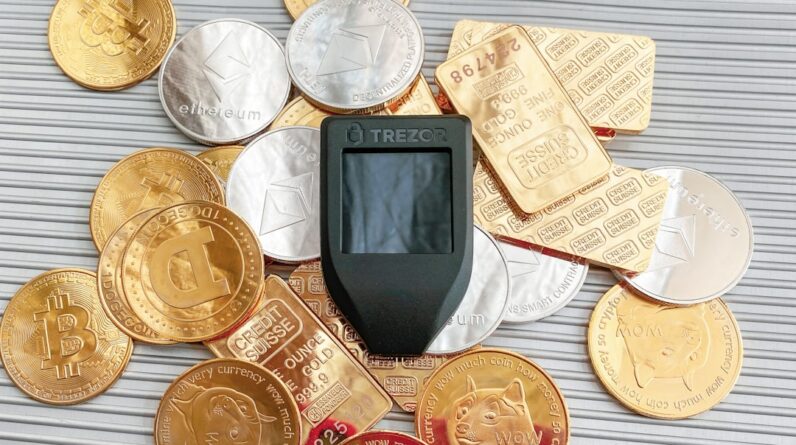
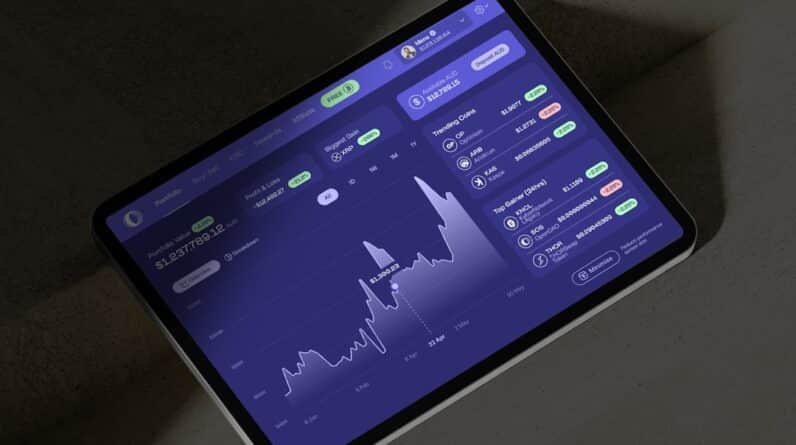
In the rapidly evolving world of digital finance, cryptocurrency exchanges serve as the vital platforms where you can buy, sell, and trade various cryptocurrencies. These exchanges act as intermediaries, facilitating transactions between buyers and sellers while providing a marketplace for digital assets. As you navigate this landscape, understanding the different types of exchanges—centralized, decentralized, and peer-to-peer—becomes essential.
Centralized exchanges, like Coinbase and Binance, are often user-friendly and offer a wide range of services, including trading pairs and advanced trading tools. On the other hand, decentralized exchanges (DEXs) like Uniswap allow for peer-to-peer transactions without the need for an intermediary, promoting greater privacy and control over your assets. As you consider engaging with a cryptocurrency exchange, it’s crucial to recognize the role these platforms play in the broader financial ecosystem.
They not only provide liquidity but also contribute to price discovery and market efficiency. With thousands of cryptocurrencies available, exchanges enable you to diversify your portfolio and explore new investment opportunities. However, the sheer number of options can be overwhelming.
Therefore, it’s important to conduct thorough research to find an exchange that aligns with your trading needs and investment goals.
Key Takeaways
- Cryptocurrency exchanges are platforms where users can buy, sell, and trade digital currencies.
- Security measures and protocols are crucial for protecting users’ funds and personal information from cyber attacks and theft.
- Regulatory compliance and licensing ensure that exchanges operate within the legal framework and adhere to industry standards.
- Reputation and track record are important factors to consider when choosing a cryptocurrency exchange, as they reflect the platform’s reliability and trustworthiness.
- User reviews and feedback provide valuable insights into the quality of service, user experience, and overall satisfaction with the exchange.
Security Measures and Protocols
When it comes to cryptocurrency exchanges, security should be at the forefront of your considerations. The digital nature of cryptocurrencies makes them susceptible to hacking and fraud, which is why reputable exchanges implement robust security measures. You should look for exchanges that utilize two-factor authentication (2FA), encryption protocols, and cold storage solutions for the majority of their assets.
Cold storage refers to keeping funds offline, significantly reducing the risk of theft from online attacks. By prioritizing security features, exchanges can provide you with peace of mind as you engage in trading activities. Moreover, it’s essential to stay informed about the security protocols that an exchange has in place.
Regular security audits and compliance with industry standards can indicate a commitment to safeguarding your assets. Some exchanges even offer bug bounty programs that reward ethical hackers for identifying vulnerabilities. This proactive approach not only enhances security but also fosters trust within the trading community.
As you evaluate different platforms, consider how they respond to past security incidents and what measures they have implemented to prevent future breaches.
Regulatory Compliance and Licensing

Navigating the regulatory landscape is another critical aspect of choosing a cryptocurrency exchange. Different countries have varying regulations regarding cryptocurrency trading, and compliance with these laws is essential for the legitimacy of an exchange. You should ensure that the exchange you choose is licensed and operates within the legal frameworks of its jurisdiction.
This not only protects you as a user but also contributes to the overall integrity of the cryptocurrency market. In addition to licensing, regulatory compliance often involves adhering to anti-money laundering (AML) and know your customer (KYC) policies. These measures are designed to prevent illicit activities and ensure that exchanges are not facilitating fraud or money laundering.
By choosing a compliant exchange, you can feel more secure in your transactions, knowing that the platform is taking steps to operate within legal boundaries. Furthermore, regulatory oversight can enhance the credibility of an exchange, making it a more attractive option for both novice and experienced traders.
Reputation and Track Record
The reputation of a cryptocurrency exchange can significantly influence your decision-making process. A platform with a solid track record is likely to provide a more reliable trading experience than one with a history of issues or controversies. You should research an exchange’s history, including any past security breaches or regulatory challenges it may have faced.
A well-established exchange with a positive reputation often indicates a commitment to quality service and user satisfaction. Additionally, consider how long the exchange has been in operation. Longevity in the market can be a good indicator of stability and reliability.
Newer exchanges may offer innovative features or lower fees but could also carry higher risks due to their lack of established credibility. By prioritizing exchanges with a proven track record, you can mitigate potential risks associated with trading on less reputable platforms.
User Reviews and Feedback
User reviews and feedback are invaluable resources when evaluating cryptocurrency exchanges. As you explore different platforms, take the time to read what other users have experienced. Positive reviews can highlight an exchange’s strengths, such as ease of use, customer support quality, and transaction speed.
Conversely, negative feedback can reveal potential pitfalls or issues that may affect your trading experience. It’s important to approach user reviews with a critical eye. While many reviews can provide genuine insights, some may be biased or influenced by individual experiences that do not reflect the overall performance of the exchange.
Look for patterns in feedback—if multiple users report similar issues or praise specific features, it’s likely indicative of the exchange’s true performance. By synthesizing user feedback with your own research, you can make a more informed decision about which exchange best suits your needs.
Transparency and Communication

Access to Information
You should be able to easily access information about how the exchange operates, including its fee structure and any potential risks associated with trading on its platform.
Clear Communication and Customer Support
Clear communication fosters confidence in the exchange’s integrity and helps you make informed decisions. Moreover, consider how responsive the exchange is to user inquiries and concerns. A transparent platform will typically have accessible customer support channels where you can ask questions or seek assistance when needed.
Regular Updates and Commitment to Users
Regular updates about platform changes or security measures also demonstrate a commitment to keeping users informed. By choosing an exchange that prioritizes transparency and communication, you can enhance your overall trading experience.
Insurance and Asset Protection
As you delve into cryptocurrency trading, understanding how your assets are protected is crucial. Some exchanges offer insurance policies that cover potential losses due to hacking or other unforeseen events. This added layer of protection can provide peace of mind as you trade digital assets.
When evaluating an exchange, inquire about its insurance policies and what specific protections are in place for users’ funds. In addition to insurance, consider how an exchange manages its assets during times of volatility or crisis. A well-prepared exchange will have contingency plans in place to safeguard user funds and maintain operational stability during turbulent market conditions.
By selecting an exchange that prioritizes asset protection through insurance and sound management practices, you can mitigate risks associated with cryptocurrency trading.
Customer Support and Responsiveness
Finally, effective customer support is an essential component of a positive trading experience on any cryptocurrency exchange. You should assess how accessible customer support is when evaluating different platforms. Look for exchanges that offer multiple channels for support—such as live chat, email, or phone assistance—so you can reach out easily if issues arise.
The responsiveness of customer support teams can significantly impact your experience as a trader. Delays in addressing concerns or resolving issues can lead to frustration and potential financial losses. Therefore, consider reading user reviews specifically related to customer support experiences to gauge how well an exchange handles inquiries and problems.
A responsive support team not only enhances your confidence in the platform but also ensures that you have assistance when navigating the complexities of cryptocurrency trading. In conclusion, choosing the right cryptocurrency exchange involves careful consideration of various factors including security measures, regulatory compliance, reputation, user feedback, transparency, asset protection, and customer support. By taking the time to research these aspects thoroughly, you can make informed decisions that align with your trading goals while minimizing risks associated with digital asset transactions.
FAQs
What factors should I consider when evaluating the credibility of a cryptocurrency exchange?
When evaluating the credibility of a cryptocurrency exchange, consider factors such as the exchange’s reputation, regulatory compliance, security measures, trading volume, and user reviews.
How can I assess the security of a cryptocurrency exchange?
To assess the security of a cryptocurrency exchange, look for features such as two-factor authentication, cold storage for funds, regular security audits, and a bug bounty program. Additionally, check if the exchange has a history of security breaches and how they were handled.
What are some red flags to watch out for when evaluating a cryptocurrency exchange?
Red flags to watch out for when evaluating a cryptocurrency exchange include a lack of transparency, poor customer reviews, regulatory issues, frequent downtime or technical issues, and a history of security breaches.
Why is regulatory compliance important when evaluating a cryptocurrency exchange?
Regulatory compliance is important when evaluating a cryptocurrency exchange because it indicates that the exchange is following legal and industry standards, which can help protect users’ funds and ensure the exchange operates in a transparent and accountable manner.
What role does trading volume play in evaluating a cryptocurrency exchange?
Trading volume is an important factor to consider when evaluating a cryptocurrency exchange as it can indicate the liquidity and popularity of the exchange. Higher trading volume generally means more active users and a more stable market for trading.