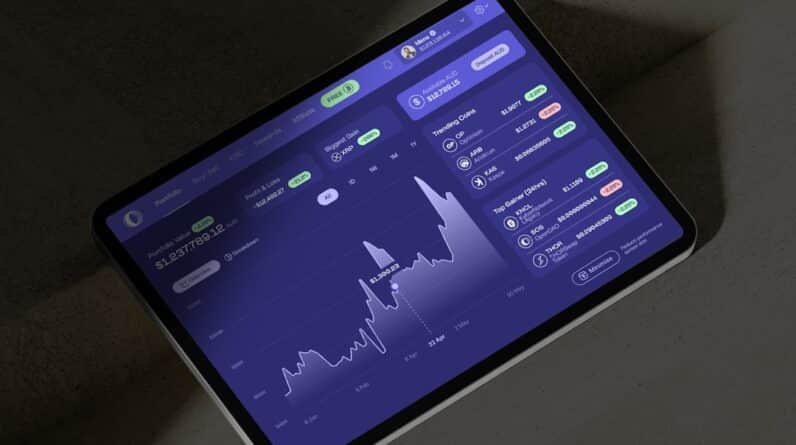
As you embark on your journey into the world of cryptocurrency investing, it’s essential to grasp the foundational concepts that underpin this digital asset class. Cryptocurrency, at its core, is a form of digital or virtual currency that uses cryptography for security. Unlike traditional currencies issued by governments, cryptocurrencies operate on decentralized networks based on blockchain technology.
This decentralized nature means that transactions can occur directly between users without the need for intermediaries like banks, which can lead to lower fees and faster transaction times. To truly understand crypto investing, you must familiarize yourself with key terms and concepts. For instance, you should know what a blockchain is—a distributed ledger that records all transactions across a network of computers.
Additionally, understanding the difference between coins and tokens is crucial; while coins like Bitcoin and Ethereum operate on their own blockchains, tokens are built on existing blockchains and often serve specific purposes within their ecosystems. By grasping these basics, you will be better equipped to navigate the complexities of the crypto market.
Key Takeaways
- Crypto investing involves buying and holding digital assets with the expectation of profit.
- Research and analyze different cryptocurrencies to choose the right one for investment.
- Set up a secure crypto wallet to store and manage your digital assets.
- Diversify your crypto investment portfolio to spread risk and maximize potential returns.
- Stay informed about crypto market trends and seek professional advice for successful investing.
Choosing the Right Cryptocurrency to Invest In
With thousands of cryptocurrencies available today, selecting the right one to invest in can feel overwhelming. Start by considering your investment goals and risk tolerance. Are you looking for long-term growth, or are you more interested in short-term gains?
Your strategy will significantly influence which cryptocurrencies you should focus on. For instance, established coins like Bitcoin and Ethereum may offer more stability, while newer altcoins could present higher risks but potentially greater rewards. Once you have a clear understanding of your investment objectives, it’s time to conduct thorough research on various cryptocurrencies.
Look into their use cases, the technology behind them, and the teams driving their development. A project with a strong community and active development team is often a good sign of its potential longevity. Additionally, pay attention to market trends and historical performance; while past performance is not indicative of future results, it can provide valuable insights into how a cryptocurrency reacts to market changes.
Setting Up a Crypto Wallet

Before you start investing in cryptocurrencies, you need a secure place to store your digital assets—this is where a crypto wallet comes into play. There are several types of wallets available, each with its own advantages and disadvantages. Hardware wallets, for example, are physical devices that store your private keys offline, providing an extra layer of security against hacking attempts.
On the other hand, software wallets are applications that can be installed on your computer or smartphone, offering convenience for frequent transactions. When setting up your wallet, it’s crucial to prioritize security. Make sure to enable two-factor authentication (2FA) if available and create strong passwords that are difficult to guess.
Additionally, consider backing up your wallet information in a secure location to prevent loss in case of device failure or theft. By taking these precautions, you can ensure that your investments remain safe as you navigate the exciting yet volatile world of cryptocurrency.
Researching and Analyzing Cryptocurrency Markets
To make informed investment decisions in the cryptocurrency space, you must develop strong research and analytical skills. Start by familiarizing yourself with various tools and platforms that provide market data, such as CoinMarketCap or CoinGecko. These platforms offer real-time information on price movements, trading volumes, and market capitalization for thousands of cryptocurrencies.
By regularly monitoring these metrics, you can identify trends and make timely investment decisions. In addition to quantitative analysis, qualitative research is equally important. This involves examining factors such as the project’s whitepaper, community engagement, and partnerships.
A well-written whitepaper outlines the project’s goals and technology, while an active community can indicate strong support for the project’s future. By combining both quantitative and qualitative analyses, you can develop a comprehensive understanding of the cryptocurrency markets and make more informed investment choices.
Creating a Diversified Crypto Investment Portfolio
Diversification is a fundamental principle in investing that helps mitigate risk by spreading your investments across various assets. In the context of cryptocurrency investing, this means allocating your funds among different coins and tokens rather than putting all your money into one asset. A well-diversified portfolio can help protect you from significant losses if one particular asset underperforms.
When creating your diversified portfolio, consider including a mix of established cryptocurrencies like Bitcoin and Ethereum alongside smaller altcoins with high growth potential. Additionally, think about incorporating different sectors within the crypto space, such as decentralized finance (DeFi), non-fungible tokens (NFTs), and stablecoins. By diversifying across various assets and sectors, you can enhance your chances of achieving long-term success while minimizing risk.
Implementing Risk Management Strategies

Risk management is a critical aspect of successful investing in any market, including cryptocurrencies. Given the inherent volatility of the crypto space, it’s essential to have strategies in place to protect your investments from significant losses. One effective approach is to set stop-loss orders for your trades; this allows you to automatically sell an asset if its price falls below a predetermined level, helping to limit potential losses.
Another important risk management strategy is to only invest what you can afford to lose. The crypto market can be unpredictable, and prices can fluctuate dramatically within short periods. By ensuring that your investments do not jeopardize your financial stability, you can approach crypto investing with a clearer mindset and avoid making impulsive decisions driven by fear or greed.
Staying Informed about Crypto Market Trends and News
The cryptocurrency landscape is constantly evolving, making it crucial for investors like you to stay informed about market trends and news. Follow reputable sources of information such as industry news websites, social media channels, and forums dedicated to cryptocurrency discussions. Engaging with these platforms will help you gain insights into emerging trends, regulatory changes, and technological advancements that could impact your investments.
Additionally, consider joining online communities or local meetups where you can connect with other crypto enthusiasts and investors. These interactions can provide valuable perspectives and help you stay updated on the latest developments in the space. By actively seeking out information and engaging with others in the community, you can enhance your understanding of the market and make more informed investment decisions.
Seeking Professional Advice and Guidance in Crypto Investing
While self-education is vital in crypto investing, there may come a time when seeking professional advice becomes necessary. Financial advisors who specialize in cryptocurrencies can provide personalized guidance tailored to your unique financial situation and investment goals. They can help you navigate complex topics such as tax implications, regulatory considerations, and portfolio management strategies.
When choosing a financial advisor for crypto investing, look for someone with a solid understanding of both traditional finance and the cryptocurrency market. Ask about their experience with digital assets and ensure they have a transparent fee structure. By working with a knowledgeable professional, you can gain confidence in your investment decisions and develop a more robust strategy for navigating the ever-changing world of cryptocurrency investing.
In conclusion, entering the world of cryptocurrency investing requires a solid understanding of its fundamentals, careful selection of assets, secure storage solutions, diligent research practices, diversification strategies, risk management techniques, ongoing education about market trends, and sometimes professional guidance. By following these principles and remaining committed to continuous learning, you can position yourself for success in this dynamic and exciting investment landscape.
FAQs
What is crypto investing?
Crypto investing refers to the practice of investing in cryptocurrencies, which are digital or virtual currencies that use cryptography for security and operate independently of a central bank.
How do I get started with crypto investing?
To get started with crypto investing, you will need to open an account with a cryptocurrency exchange, purchase some cryptocurrency using fiat currency, and then store your cryptocurrency in a secure digital wallet.
What are the risks associated with crypto investing?
Some of the risks associated with crypto investing include price volatility, regulatory uncertainty, security risks, and the potential for fraud and scams.
What are the potential benefits of crypto investing?
Potential benefits of crypto investing include the opportunity for high returns, diversification of investment portfolio, and access to innovative technology and financial products.
What are some popular cryptocurrencies for investing?
Some popular cryptocurrencies for investing include Bitcoin, Ethereum, Ripple, Litecoin, and Cardano. It’s important to research and understand each cryptocurrency before investing.
Is crypto investing suitable for everyone?
Crypto investing may not be suitable for everyone, as it carries a high level of risk and requires a good understanding of the technology and market dynamics. It’s important to carefully consider your risk tolerance and investment goals before getting started with crypto investing.