In the rapidly evolving world of cryptocurrency, phishing attacks have emerged as a significant threat to investors and users alike. These attacks often take the form of deceptive emails, messages, or websites that mimic legitimate services, aiming to trick you into revealing sensitive information such as your private keys or login credentials. As you navigate this digital landscape, it’s crucial to understand how these scams operate and the tactics employed by cybercriminals.
By familiarizing yourself with the common methods used in phishing attacks, you can better protect your assets and personal information. Phishing attacks in the cryptocurrency space can be particularly insidious due to the anonymity and irreversibility of transactions. Unlike traditional banking systems, where you might have recourse in the event of fraud, cryptocurrency transactions are final once executed.
This means that if you fall victim to a phishing scheme, recovering your funds can be nearly impossible. Therefore, it’s essential to remain vigilant and skeptical of unsolicited communications that request sensitive information or direct you to unfamiliar websites. Always verify the authenticity of any correspondence before taking action, and consider using official channels to confirm any requests for information.
Key Takeaways
- Phishing attacks in the cryptocurrency space can lead to the loss of funds and sensitive information.
- Red flags in ICOs, such as unrealistic promises and lack of transparency, can help investors avoid fraud.
- Securing cryptocurrency wallets and private keys is crucial to protect against unauthorized access and theft.
- Utilizing two-factor authentication adds an extra layer of security to cryptocurrency accounts.
- Verifying the legitimacy of cryptocurrency exchanges and platforms can help investors avoid falling victim to scams and fraudulent schemes.
Recognizing Red Flags in ICOs to Avoid Fraud
Initial Coin Offerings (ICOs) have become a popular method for startups to raise capital in the cryptocurrency space. However, not all ICOs are created equal, and many have turned out to be fraudulent schemes designed to exploit unsuspecting investors. As you consider participating in an ICO, it’s vital to recognize the red flags that may indicate a scam.
One of the most significant warning signs is a lack of transparency regarding the project team and their qualifications. If the team behind an ICO is anonymous or has no verifiable track record, you should approach with caution. Another red flag to watch for is unrealistic promises of returns.
If an ICO claims that you will double your investment within a short period or guarantees profits, it’s likely too good to be true. Legitimate projects will provide clear and realistic projections based on market analysis and sound business practices. Additionally, be wary of ICOs that pressure you into making quick decisions or investing without giving you ample time to conduct your research.
A reputable project will encourage you to ask questions and will provide detailed information about their roadmap, technology, and use case.
Securing Your Cryptocurrency Wallet and Private Keys

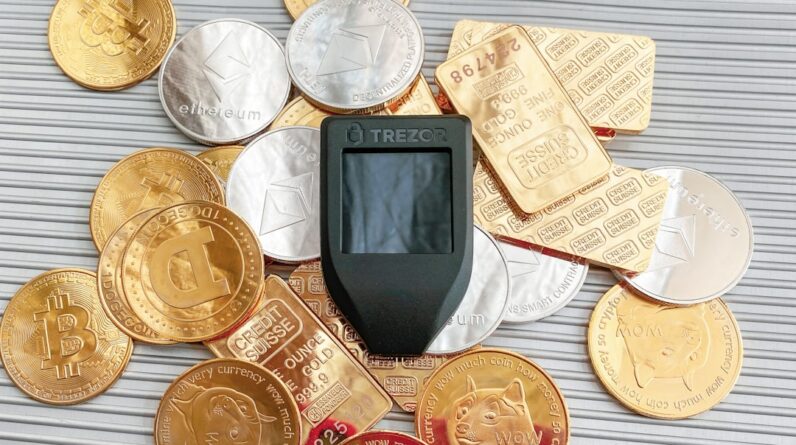
Your cryptocurrency wallet is your gateway to managing your digital assets, making it imperative to secure it properly. The first step in safeguarding your wallet is choosing the right type—whether it’s a hardware wallet, software wallet, or paper wallet—based on your needs and level of expertise. Hardware wallets are often considered the most secure option as they store your private keys offline, making them less susceptible to hacking attempts.
If you opt for a software wallet, ensure that it has robust security features and is regularly updated to protect against vulnerabilities. Once you have selected a wallet, securing your private keys is paramount. Your private keys are essentially the keys to your cryptocurrency kingdom; losing them means losing access to your funds.
To enhance security, consider using strong passwords and enabling encryption features if available. Additionally, never share your private keys with anyone and be cautious about where you store them. It’s advisable to keep backups in multiple secure locations, such as encrypted USB drives or secure cloud storage services, ensuring that you can recover your assets in case of loss or theft.
Utilizing Two-Factor Authentication for Added Security
Two-factor authentication (2FA) is an essential security measure that adds an extra layer of protection to your cryptocurrency accounts. By requiring two forms of verification before granting access—something you know (like a password) and something you have (like a mobile device)—2FA significantly reduces the risk of unauthorized access. As you set up your accounts on exchanges or wallets, make it a priority to enable 2FA wherever possible.
This simple step can deter many cybercriminals who rely on stolen passwords alone. There are various methods of implementing 2FA, including SMS-based verification codes and authenticator apps like Google Authenticator or Authy. While SMS codes are convenient, they can be vulnerable to interception through SIM swapping attacks.
Therefore, using an authenticator app is generally considered more secure. By taking advantage of 2FA, you not only protect your accounts but also cultivate a habit of prioritizing security in all aspects of your cryptocurrency dealings.
Verifying the Legitimacy of Cryptocurrency Exchanges and Platforms
As you engage in cryptocurrency trading or investing, choosing a reputable exchange or platform is crucial for safeguarding your assets. With numerous exchanges available, it’s essential to conduct thorough research before committing your funds. Start by checking for regulatory compliance; legitimate exchanges often adhere to local laws and regulations, providing transparency about their operations.
Look for platforms that have been in business for several years and have established a positive reputation within the community. User reviews and feedback can also provide valuable insights into an exchange’s reliability. Take the time to read reviews on independent forums and social media platforms to gauge other users’ experiences.
Additionally, consider the security measures implemented by the exchange—such as cold storage for funds, insurance policies against hacks, and regular security audits—as these factors can significantly impact your decision. By verifying the legitimacy of exchanges and platforms before trading, you can minimize risks and enhance your overall investment experience.
Educating Yourself on Common Scams and Fraudulent Schemes

In the ever-changing landscape of cryptocurrency, staying informed about common scams and fraudulent schemes is vital for protecting yourself as an investor. Scammers are constantly evolving their tactics, so being aware of prevalent scams can help you avoid falling victim to them. Some common schemes include Ponzi schemes, fake giveaways, and impersonation scams where fraudsters pose as reputable figures in the crypto community to gain your trust.
To educate yourself effectively, consider following reputable news sources and forums dedicated to cryptocurrency discussions. Engaging with communities on platforms like Reddit or Twitter can also provide real-time updates on emerging scams and warnings from fellow investors. Additionally, many organizations offer resources and guides on recognizing scams; taking advantage of these materials can empower you with knowledge that may save you from significant financial losses.
Seeking Out Reputable Sources for Investment Advice and Information
When it comes to investing in cryptocurrency, seeking out reputable sources for advice and information is essential for making informed decisions. The internet is rife with opinions and recommendations; however, not all sources are trustworthy or knowledgeable. Start by following established figures in the cryptocurrency space—such as experienced investors, analysts, or educators—who have a proven track record of providing accurate insights.
In addition to individual experts, consider subscribing to reputable financial news outlets that cover cryptocurrency developments comprehensively. These sources often provide analysis on market trends, regulatory changes, and technological advancements that can impact your investments. By relying on credible information rather than hearsay or speculation, you can make more informed choices that align with your investment goals.
Reporting Suspicious Activity to Authorities and Taking Legal Action
If you encounter suspicious activity or believe you have fallen victim to a scam in the cryptocurrency space, it’s crucial to report it promptly to the appropriate authorities. Many countries have dedicated agencies that handle cybercrime and fraud cases; by reporting incidents, you not only protect yourself but also help prevent others from becoming victims. Documenting all relevant details—such as transaction records, communications with scammers, and any other evidence—can aid authorities in their investigations.
In some cases, pursuing legal action may be necessary if significant financial losses occur due to fraud or scams. Consulting with legal professionals who specialize in cryptocurrency law can provide guidance on your options for recovery or restitution. While navigating legal processes can be daunting, taking action against fraudulent activities contributes to a safer environment for all investors in the cryptocurrency space.
By being proactive in reporting suspicious activities and seeking legal recourse when necessary, you play a vital role in combating fraud within this dynamic industry.
FAQs
What is phishing in the context of cryptocurrency?
Phishing in the context of cryptocurrency refers to the fraudulent attempt to obtain sensitive information, such as usernames, passwords, and private keys, by disguising as a trustworthy entity in electronic communication.
What are some common signs of a phishing attack in the cryptocurrency space?
Common signs of a phishing attack in the cryptocurrency space include unsolicited emails or messages asking for sensitive information, fake websites that mimic legitimate cryptocurrency platforms, and promises of unrealistic returns or rewards.
How can I avoid falling victim to phishing attacks in the cryptocurrency space?
To avoid falling victim to phishing attacks in the cryptocurrency space, it is important to verify the authenticity of all communication and websites, use hardware wallets for storing cryptocurrency, and enable two-factor authentication on all accounts.
What are fraudulent ICOs in the cryptocurrency space?
Fraudulent ICOs in the cryptocurrency space refer to initial coin offerings that are launched with the intention of deceiving investors and stealing their funds. These ICOs often promise unrealistic returns and have no viable product or use case.
How can I avoid falling victim to fraudulent ICOs in the cryptocurrency space?
To avoid falling victim to fraudulent ICOs in the cryptocurrency space, it is important to conduct thorough research on the project and team behind the ICO, verify the legitimacy of the whitepaper and roadmap, and be cautious of any promises of guaranteed returns.