In recent years, cryptocurrency has emerged as a revolutionary financial technology, capturing the attention of investors, technologists, and everyday users alike. As you delve into the world of digital currencies, you may find that one of the most compelling aspects is the promise of privacy. Unlike traditional banking systems, which often require extensive personal information, cryptocurrencies offer a level of anonymity that appeals to many.
This unique characteristic has sparked a broader conversation about the intersection of cryptocurrency and privacy, raising questions about how these digital assets can protect your financial information in an increasingly interconnected world. As you explore this topic, it becomes clear that the allure of cryptocurrency lies not only in its potential for investment but also in its ability to provide a shield against invasive surveillance. In an age where data breaches and identity theft are rampant, the idea of conducting transactions without revealing your identity is incredibly appealing.
However, while cryptocurrencies can offer a degree of privacy, they are not without their complexities. Understanding how these digital currencies function and the implications for your personal privacy is essential as you navigate this evolving landscape.
Key Takeaways
- Cryptocurrency offers a level of privacy and anonymity not found in traditional financial systems, making it attractive to those seeking to keep their financial transactions private.
- The use of blockchain technology and encryption techniques allows cryptocurrency users to conduct transactions without revealing their identity or personal information.
- However, the use of cryptocurrency for privacy comes with risks such as volatility, security breaches, and potential illegal activities, which can pose challenges for users.
- Government regulations and oversight of cryptocurrency transactions aim to balance privacy with the need to prevent illegal activities such as money laundering and tax evasion.
- Cryptocurrency has the potential to enhance financial privacy by allowing individuals to have more control over their personal financial data and transactions.
How Cryptocurrency Provides Anonymity
Cryptocurrency operates on decentralized networks, primarily utilizing blockchain technology to facilitate transactions. This decentralized nature is one of the key factors that contribute to your anonymity when using these digital currencies. When you make a transaction with cryptocurrency, your personal information is not tied to the transaction itself.
Instead, it is recorded on a public ledger under a unique cryptographic address. This means that while your transaction history is visible to anyone who looks at the blockchain, your identity remains obscured unless you choose to reveal it. Moreover, many cryptocurrencies are designed with privacy features that enhance your anonymity even further.
For instance, coins like Monero and Zcash employ advanced cryptographic techniques to obscure transaction details, making it nearly impossible for outside observers to trace the flow of funds back to you. These privacy-centric cryptocurrencies have gained popularity among users who prioritize confidentiality in their financial dealings. By utilizing such technologies, you can engage in transactions with a greater sense of security and peace of mind.
Risks and Challenges of Using Cryptocurrency for Privacy

While the potential for anonymity in cryptocurrency is enticing, it is essential to recognize the risks and challenges that accompany this level of privacy. One significant concern is the potential for misuse. The very features that allow you to maintain your anonymity can also attract illicit activities.
Criminals may exploit cryptocurrencies for money laundering, drug trafficking, or other illegal endeavors, leading to increased scrutiny from law enforcement agencies. As a result, your use of cryptocurrency could inadvertently associate you with these activities, raising red flags and complicating your financial life. Additionally, the lack of regulation in the cryptocurrency space can pose challenges for your privacy.
While decentralization offers freedom from traditional banking systems, it also means that there are fewer safeguards in place to protect you from fraud or scams. Without a central authority to turn to for recourse, you may find yourself vulnerable to malicious actors who seek to exploit unsuspecting users. Therefore, while you may enjoy the benefits of privacy that cryptocurrency offers, it is crucial to remain vigilant and informed about the potential pitfalls.
Government Regulations and Cryptocurrency
As cryptocurrencies continue to gain traction, governments around the world are grappling with how to regulate this burgeoning industry. The challenge lies in balancing the need for consumer protection and financial stability with the desire to foster innovation and maintain individual privacy. As you navigate this landscape, it’s important to understand how government regulations can impact your use of cryptocurrency and your ability to maintain privacy.
In many jurisdictions, regulatory bodies are implementing measures aimed at increasing transparency in cryptocurrency transactions. These regulations often require exchanges and wallet providers to collect personal information from users, which can undermine the very anonymity that attracted you to cryptocurrencies in the first place. While these measures are intended to combat illegal activities and protect consumers, they can also create barriers for those who value their financial privacy.
As governments continue to refine their approaches to cryptocurrency regulation, staying informed about changes in legislation will be crucial for you as a user.
Cryptocurrency and Financial Privacy
Financial privacy is a fundamental aspect of personal freedom, allowing you to manage your finances without undue scrutiny or interference. In this context, cryptocurrencies present a unique opportunity for you to regain control over your financial transactions. By using digital currencies, you can conduct transactions without revealing sensitive information such as your name or bank account details.
This level of privacy can be particularly beneficial in situations where you may not want others to know about your financial activities. However, achieving true financial privacy with cryptocurrency requires careful consideration of how you use these digital assets. Not all cryptocurrencies offer the same level of anonymity; some are more transparent than others.
For instance, Bitcoin transactions are pseudonymous but not entirely private, as they can be traced back to specific addresses over time. To enhance your financial privacy, you may want to explore privacy-focused cryptocurrencies or employ additional tools such as mixing services that obfuscate transaction trails. By taking these steps, you can better protect your financial information while enjoying the benefits of cryptocurrency.
Cryptocurrency and Personal Data Protection

In an era where personal data is often commodified and exploited by corporations and governments alike, protecting your information has never been more critical. Cryptocurrencies offer a way for you to engage in financial transactions without exposing your personal data to third parties. This aspect of cryptocurrency aligns with a growing demand for data protection and user autonomy in an increasingly digital world.
When using cryptocurrencies, your personal data is not required for every transaction. This means that you can make purchases or transfer funds without providing sensitive information such as your social security number or bank account details. However, it’s essential to remain aware of how different platforms handle data security.
Some exchanges may still collect personal information for compliance purposes, which could compromise your desire for anonymity. Therefore, as you navigate the world of cryptocurrency, consider using decentralized platforms or peer-to-peer exchanges that prioritize user privacy and data protection.
Cryptocurrency and Cybersecurity
As with any digital technology, cybersecurity is a paramount concern when it comes to cryptocurrency usage. While cryptocurrencies can enhance your privacy, they also introduce new vulnerabilities that you must be aware of as a user. Cybercriminals are constantly developing sophisticated methods to exploit weaknesses in digital wallets and exchanges, making it essential for you to take proactive measures to safeguard your assets.
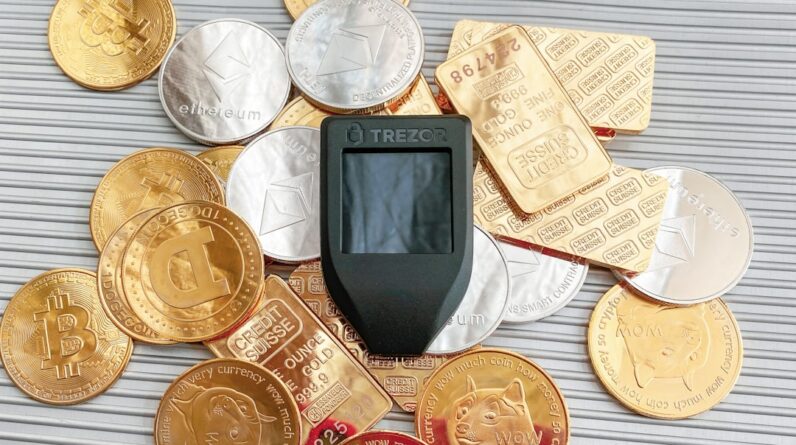
To protect yourself in the cryptocurrency space, consider implementing best practices for cybersecurity. This includes using hardware wallets for storing your digital assets securely offline and enabling two-factor authentication on your accounts. Additionally, staying informed about potential threats and scams can help you avoid falling victim to phishing attacks or other malicious schemes.
By prioritizing cybersecurity alongside your pursuit of privacy, you can enjoy the benefits of cryptocurrency while minimizing risks.
The Future of Cryptocurrency and Privacy
Looking ahead, the future of cryptocurrency and privacy remains uncertain yet promising. As technology continues to evolve, so too will the tools available for enhancing anonymity in financial transactions. Innovations such as zero-knowledge proofs and advanced cryptographic techniques hold the potential to further bolster your privacy while maintaining compliance with regulatory frameworks.
However, as governments continue to grapple with how best to regulate cryptocurrencies, the balance between privacy and oversight will be a critical issue moving forward. You may find that some jurisdictions embrace cryptocurrencies as a means of fostering innovation while others impose stringent regulations that could limit your ability to maintain anonymity. Staying informed about these developments will be essential as you navigate the ever-changing landscape of cryptocurrency.
In conclusion, while cryptocurrencies offer exciting possibilities for enhancing privacy in financial transactions, they also come with inherent risks and challenges that require careful consideration. By understanding how these digital assets function and remaining vigilant about cybersecurity and regulatory changes, you can make informed decisions that align with your values regarding privacy and personal data protection in an increasingly digital world.
FAQs
What is cryptocurrency?
Cryptocurrency is a digital or virtual form of currency that uses cryptography for security and operates independently of a central bank. It uses decentralized technology, typically a blockchain, to enable secure and transparent transactions.
How does cryptocurrency impact privacy?
Cryptocurrency can impact privacy by providing a certain level of anonymity in transactions. While cryptocurrency transactions are recorded on a public ledger, the identities of the parties involved are not always readily apparent. This can provide a level of privacy for individuals conducting transactions.
How does cryptocurrency impact anonymity?
Cryptocurrency can impact anonymity by allowing users to conduct transactions without revealing their real-world identities. This can provide a level of anonymity for individuals who wish to keep their financial activities private.
What are the potential privacy concerns with cryptocurrency?
Some potential privacy concerns with cryptocurrency include the possibility of illegal activities such as money laundering and tax evasion, as well as the potential for transactions to be traced back to individuals despite the perceived anonymity.
How can individuals protect their privacy when using cryptocurrency?
Individuals can protect their privacy when using cryptocurrency by using privacy-focused cryptocurrencies, utilizing tools such as coin mixers or tumblers to obfuscate transaction trails, and being cautious about sharing personal information in relation to their cryptocurrency activities.